Methodology
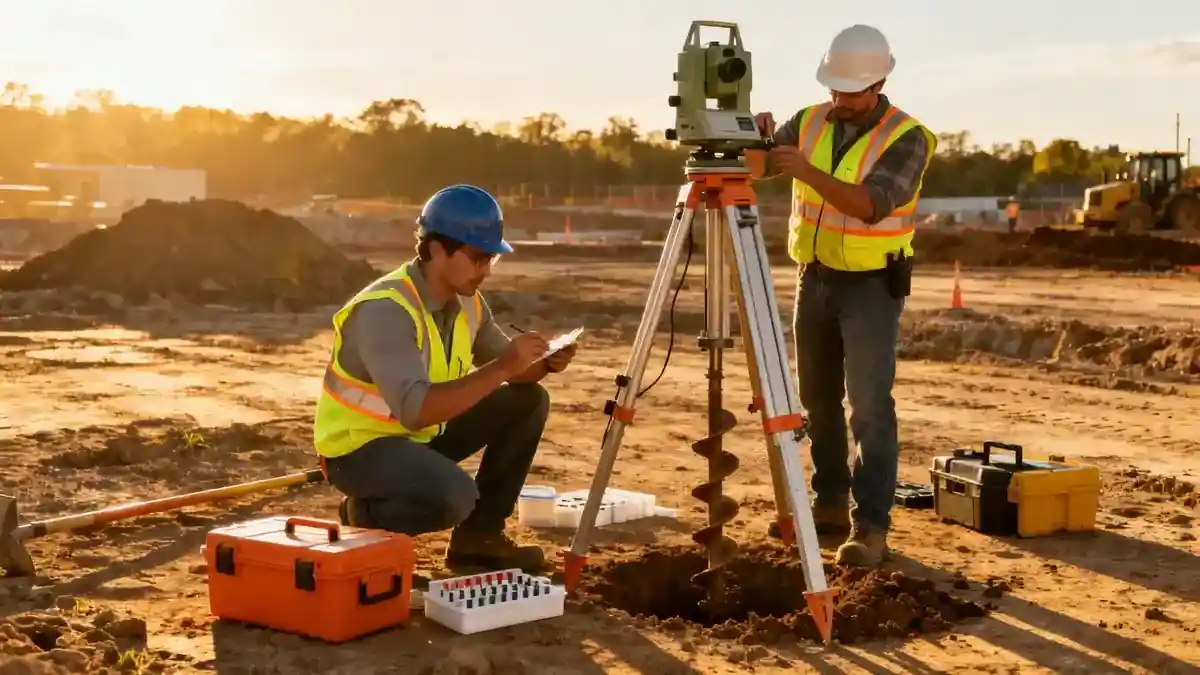
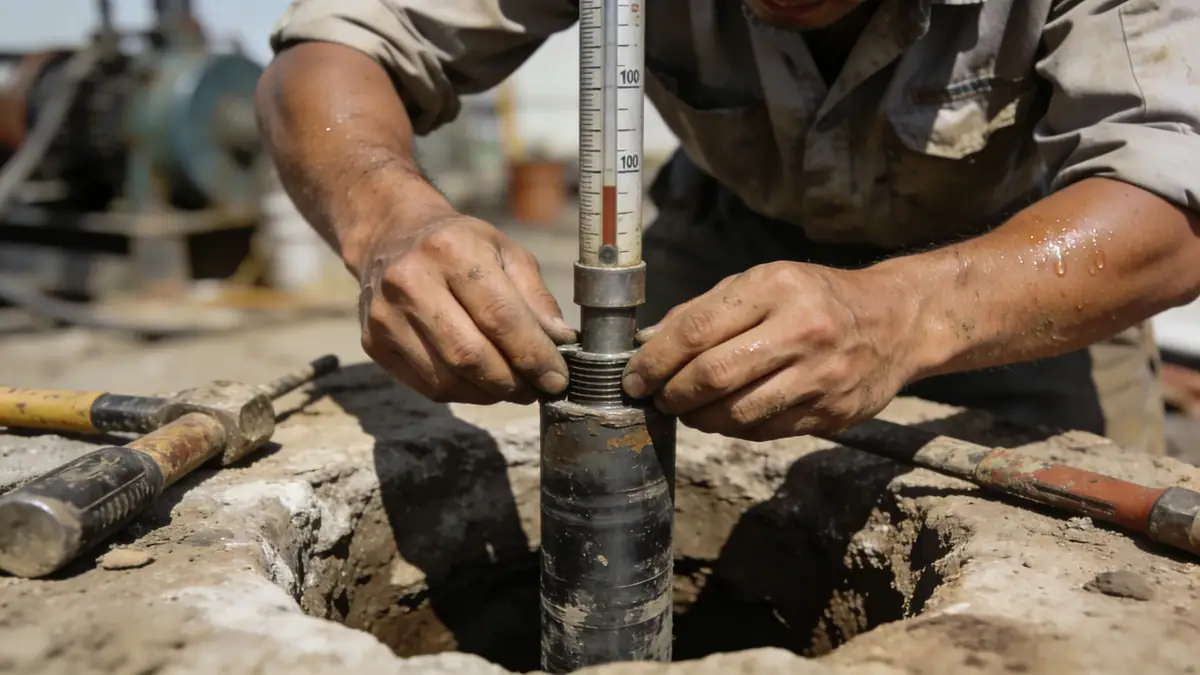
Our methodology for the standard penetration test (spt) in Los Angeles follows ASTM D1586 with rigorous quality control. A 63.5 kg hammer drops 760 mm to drive a split-barrel sampler; blow counts per 150 mm increment are recorded. We advance boreholes using rotary wash or hollow-stem augers, sampling at 1.5 m intervals to depths up to 30 m. Energy measurements are taken to correct N-values to N60. Our certified technicians log soil types, note groundwater levels, and seal boreholes per local regulations. Data is processed to provide SPT N60 profiles, relative density, and liquefaction potential for seismic design.
Reference Technical Parameters
| Parameter | Reference Value |
|---|---|
| Predominant soil type | Alluvial sands, silts, and clays; colluvial deposits |
| Maximum seismic acceleration (PGA) | 0.4g to 0.6g per ASCE 7-16 |
| Typical groundwater level | 3 to 12 m below surface |
| Bedrock depth | Variable; 10 to 100+ m in basin |
| Typical N60 range | 4 to 50 blows/0.3m (sands: 10–40; clays: 4–15) |
Local Considerations — Los Angeles
Los Angeles' geology is dominated by the Los Angeles Basin, with deep alluvial deposits over Tertiary bedrock. The region's active fault systems (e.g., San Andreas, Newport-Inglewood) impose high seismic hazard, requiring site-specific response analysis (ASCE 7 Site Class D or E). Groundwater is shallow near coastal areas (3–6 m) but deeper inland (12+ m); perched water in clay layers is common. Liquefaction risk is elevated in loose saturated sands, particularly in San Fernando and Long Beach areas. Our team tailors cone penetration test (cpt) and SPT programs to capture these variations, supporting foundation design for hillside and valley sites.
Request a Quote
Our team reviews your project and issues an initial report at no cost.
Or write us directly at [email protected]
Services in Los Angeles
Locations covered in Los Angeles
Applicable Standards
- ASTM D1586
- ASCE 7-16
- California Building Code (CBC) 2022
- Los Angeles City Building Code (LABC)
Frequently Asked Questions
What soil types are encountered in Los Angeles?
The Los Angeles Basin contains predominantly alluvial sands, silts, and clays, with colluvial deposits on hillsides. Near the coast, marine sediments and sands are common. Bedrock (Tertiary sedimentary rock) is deep in the basin but shallower in foothill areas.
How does seismic code affect SPT testing in Los Angeles?
ASCE 7-16 requires site classification (A–F) based on average SPT N60 in the upper 30 m. Los Angeles typically falls into Site Class D (stiff soil) or E (soft soil). SPT data is used to determine liquefaction potential and seismic settlement per CBC Chapter 18.
Is geotechnical investigation mandatory in Los Angeles?
Yes, for most new structures and major alterations. The Los Angeles Building Code requires a geotechnical report including SPT borings to assess soil bearing capacity, seismic hazards, and groundwater. Exemptions exist only for minor additions on existing foundations.