Methodology
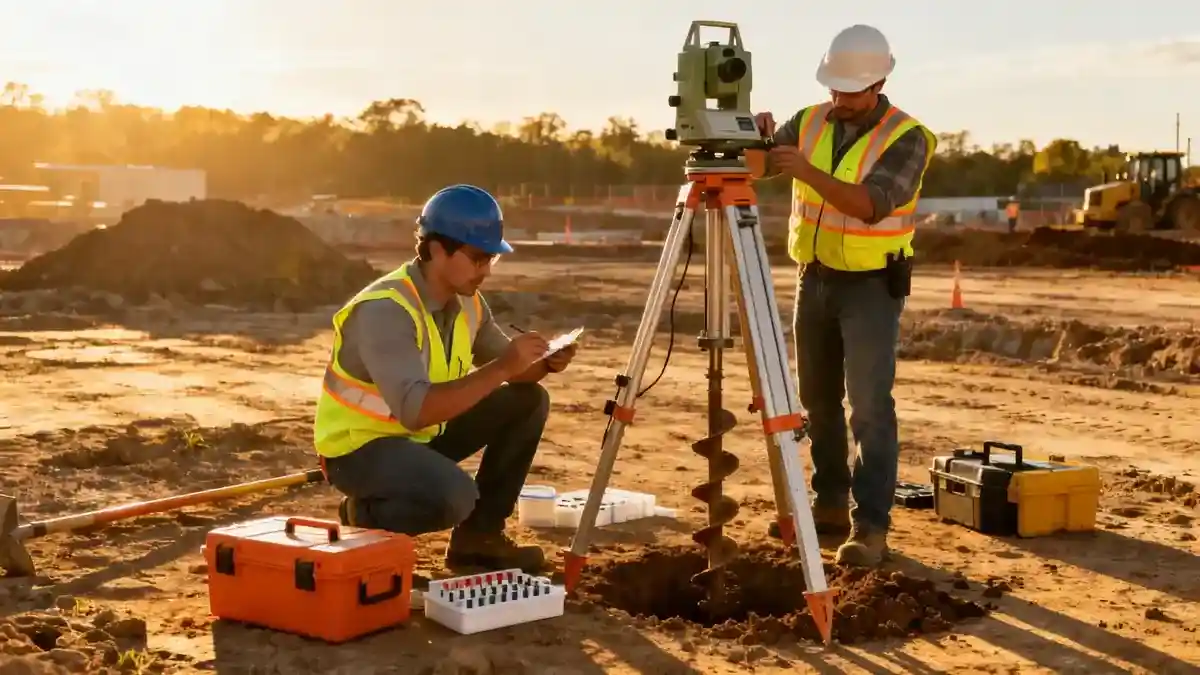
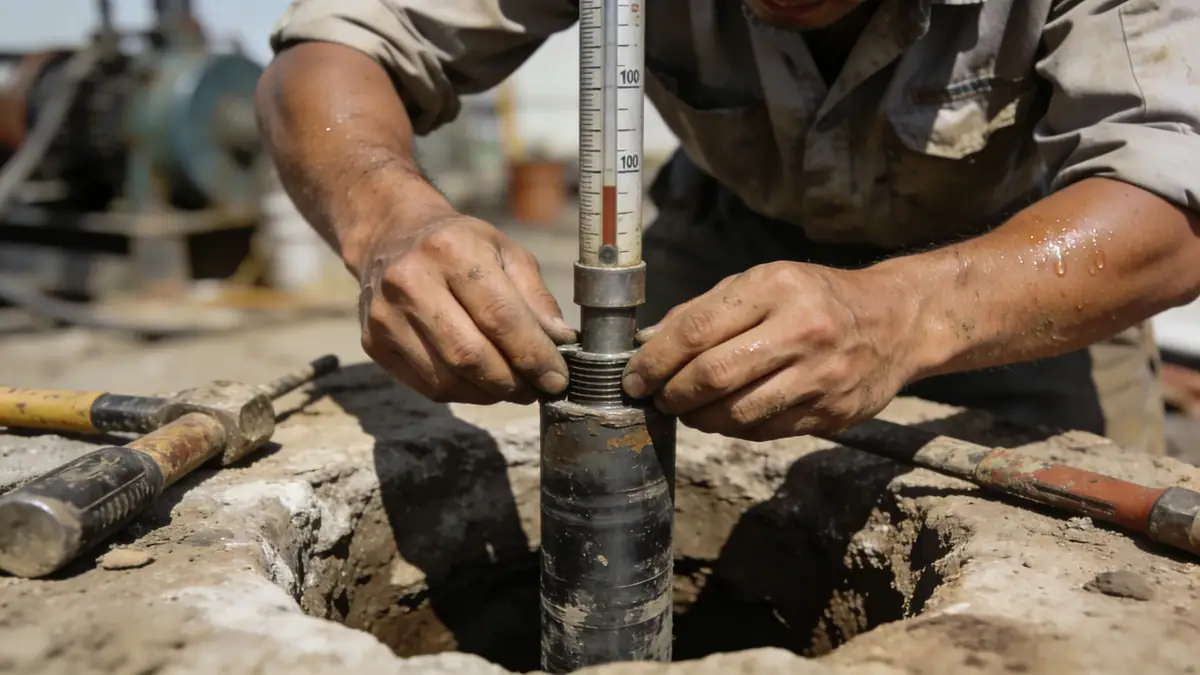
Our approach to the standard penetration test (spt) in Miami follows strict adherence to ASTM D1586, with continuous sampling at 1.0–1.5 m intervals to capture the variable limestone and sand strata. We utilize safety hammers and calibrated automatic trip systems to ensure energy efficiency within 60–80% of theoretical energy. Split-spoon samples are logged in the field and transported for laboratory testing. Our team integrates SPT results with cone penetration test (cpt) data when required, providing a comprehensive subsurface profile. This methodology supports seismic site classification per ASCE 7-22 and informs foundation design for Miami's coastal and urban environments.
Reference Technical Parameters
| Parameter | Reference Value |
|---|---|
| Predominant soil type | Carbonate sands (Miami Limestone) and silty sands |
| Maximum seismic acceleration (PGA) | 0.18–0.28 g (ASCE 7-22, Site Class D) |
| Typical groundwater level | 1.0–3.0 m below ground surface |
| Bedrock depth | 10–30 m (Miami Limestone / Fort Thompson Formation) |
| Typical N60 range | 5–30 blows/ft (loose to dense sands) |
Local Considerations — Miami
Miami's subsurface is dominated by the Miami Limestone, a porous carbonate rock interbedded with loose sands, leading to highly variable N60 values. Shallow groundwater (1–3 m) requires dewatering and careful handling of cohesionless soils. Seismic risk is moderate, with peak accelerations up to 0.28 g per ASCE 7-22, necessitating liquefaction assessments in saturated sands. Dense urban areas like Downtown Miami contrast with softer coastal zones in Surfside, where SPT blow counts can drop below 5 blows/ft. Typical projects involve deep foundations for high-rises, where our dpsh dynamic probing provides complementary data for refusal identification.
Request a Quote
Our team reviews your project and issues an initial report at no cost.
Or write us directly at [email protected]
Services in Miami
Locations covered in Miami
Applicable Standards
- ASTM D1586
- ASCE 7-22
- Florida Building Code (FBC)
- Miami-Dade County Public Works Manual
Frequently Asked Questions
What are the typical soil conditions encountered during SPT in Miami?
Miami's soils consist primarily of loose to dense carbonate sands and limestone layers (Miami Limestone). Groundwater is shallow, often within 1–3 m of the surface. N60 values typically range from 5 to 30 blows/ft, with lower values near the coast and higher values in areas with dense limestone.
Is standard penetration testing required for seismic design in Miami?
Yes. Per ASCE 7-22 and the Florida Building Code, SPT data is essential for determining Site Class (D or E) and evaluating liquefaction potential. Miami's seismic hazard (PGA up to 0.28 g) requires site-specific SPT profiles for compliance.
How does Miami's high groundwater table affect SPT procedures?
Shallow groundwater requires careful drilling techniques to prevent disturbance. Our team uses casing or drilling mud to stabilize the borehole. SPT samples below the water table are corrected for hydrostatic pressure, and blow counts are adjusted per ASTM D1586 to account for effective stress.