Methodology
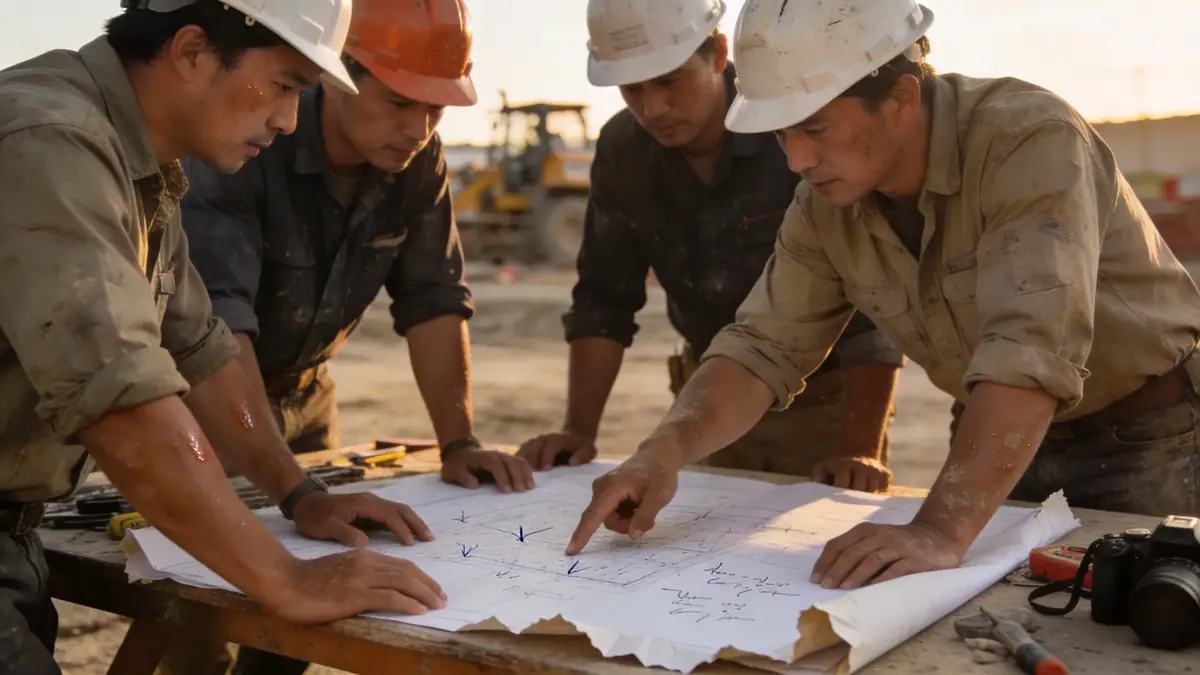
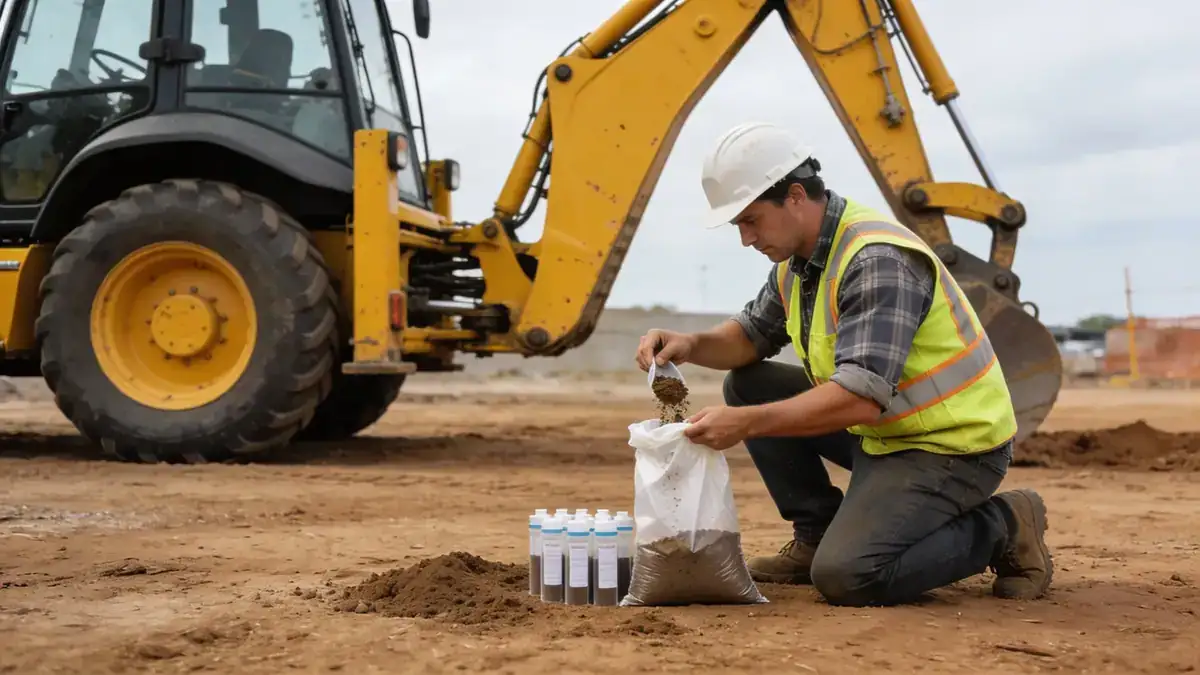
Our methodology for standard penetration test (spt) in Denver follows ASTM D1586, with split-spoon sampling at 1.5-meter intervals to capture soil stratification. We employ automatic trip hammers for consistent energy delivery, recording N-values corrected for overburden and rod length. Each borehole reaches depths of 15 to 30 meters, depending on project requirements, and samples are logged for classification and moisture content. This systematic approach ensures reliable data for foundation design across Denver's varied terrain.
Reference Technical Parameters
| Parameter | Reference Value |
|---|---|
| Predominant soil type | Clay, sand, gravel, and sandstone |
| Maximum seismic acceleration (PGA) | 0.2g to 0.3g (ASCE 7-16) |
| Typical groundwater level | 3 to 10 meters below surface |
| Bedrock depth | 10 to 50 meters (Denver Formation) |
| Typical N60 range | 8 to 30 blows per foot |
Local Considerations — Denver
Denver's geology is dominated by the Denver Formation, consisting of interbedded claystone, sandstone, and conglomerate. The eastern plains feature expansive clays prone to shrink-swell cycles, while the western foothills contain glacial outwash sands and gravels. Groundwater levels vary significantly, from shallow depths near the South Platte River to deeper zones in upland areas. Seismic design follows ASCE 7-16 with mapped spectral accelerations of 0.2g to 0.3g. For shallow foundations, cone penetration test (cpt) provides continuous profiling of soft clays, while SPT is preferred for identifying dense sand layers in the Denver Basin.
Request a Quote
Our team reviews your project and issues an initial report at no cost.
Or write us directly at [email protected]
Services in Denver
Locations covered in Denver
Applicable Standards
- ASTM D1586 (Standard Test Method for SPT)
- ASCE 7-16 (Minimum Design Loads for Buildings)
- IBC 2021 (International Building Code)
- Denver Building Code (Chapter 18: Soils and Foundations)
Frequently Asked Questions
What soil types are common in Denver for SPT testing?
Denver soils range from expansive clays in the east to sandy gravels in the west. The Denver Formation includes claystone and sandstone layers, requiring careful SPT interpretation to assess bearing capacity and settlement potential.
How does seismic activity in Denver affect SPT requirements?
Denver is in seismic design category C (ASCE 7-16) with PGA up to 0.3g. SPT N-values are used to evaluate liquefaction potential in sandy layers and to determine site class for dynamic analysis.
Is SPT mandatory for building permits in Denver?
Yes, the Denver Building Code requires geotechnical investigations for most structures. SPT is a standard method to characterize soil profiles and provide design parameters for foundations and retaining walls.