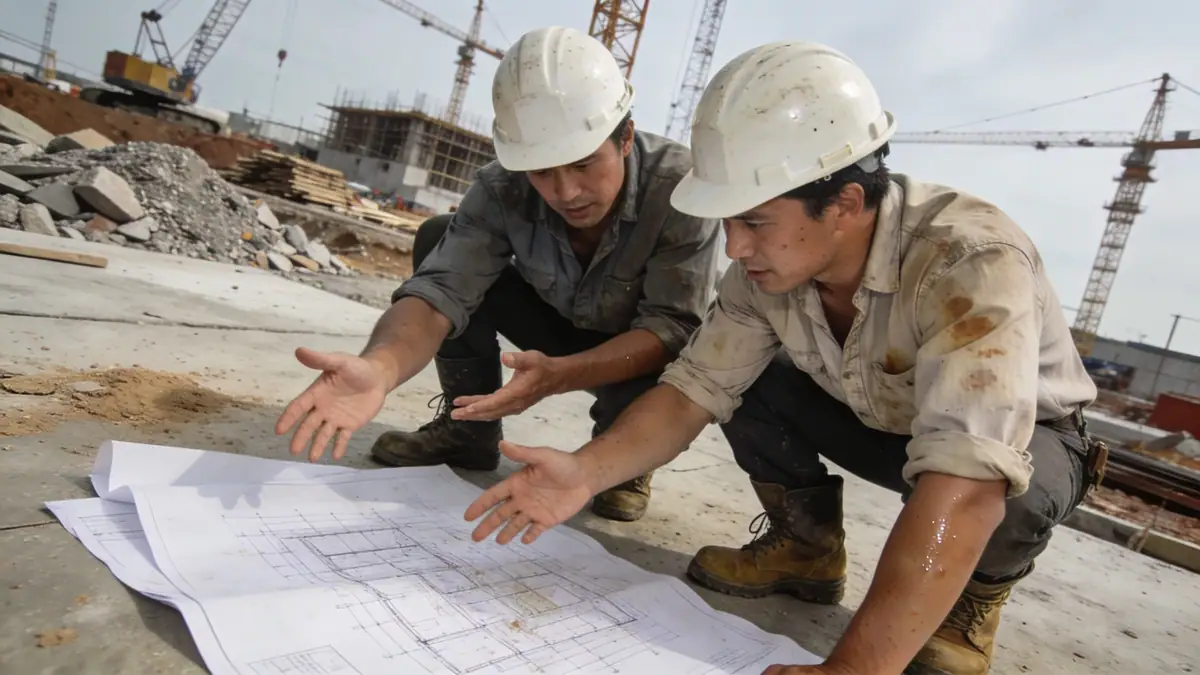
Methodology
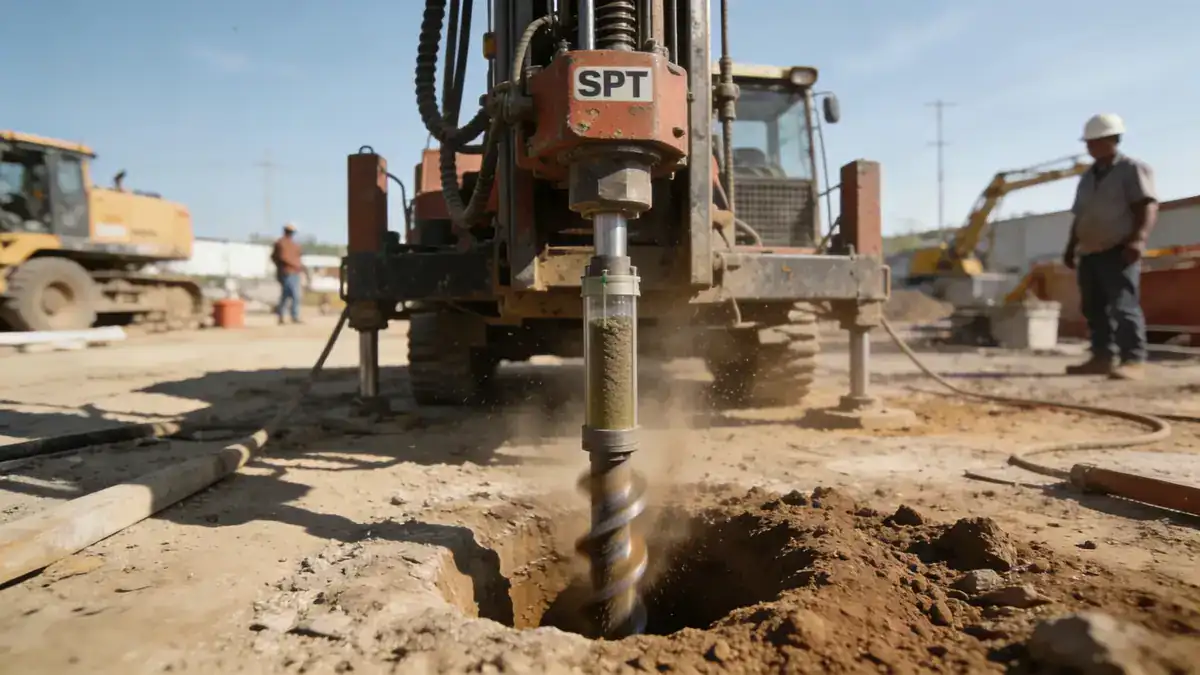
Our SPT methodology strictly follows ASTM D1586-18, using a 140-pound (63.5 kg) hammer falling 30 inches (76 cm) to drive a standard split-barrel sampler. The sampler is advanced 18 inches (457 mm) into the soil, and blow counts are recorded for each 6-inch (152 mm) increment. The N-value is the sum of the last two increments. We use automatic hammers for consistent energy delivery (typically 60-80% efficiency) and monitor rod lengths to correct for energy losses. In compliance with ASCE 7-22, our team records groundwater levels and soil classification at each test interval. For soft clays, we supplement SPT with Cone Penetration Test (CPT) for continuous profiling. The maximum tested depth is typically 100 feet (30 m), limited by rod buckling and hammer energy.
Reference Technical Parameters
| Parameter | Reference Value |
|---|---|
| Hammer Weight | 140 lb (63.5 kg) |
| Drop Height | 30 in (76 cm) |
| Sampler Dimensions | 1.5 in ID, 2.0 in OD, 18 in length |
| Blow Count (N-value) | Blows per 12 in (last 2 of 3 increments) |
| Typical Depth Range | Up to 100 ft (30 m) |
Local Considerations — USA
The United States presents extreme geotechnical variability, from the seismic zones of Anchorage and Los Angeles to the expansive clays of Dallas and Houston. In Anchorage, our SPT program includes energy corrections for permafrost soils and compliance with ASCE 7-22 seismic site class requirements. In contrast, projects in Miami and New Orleans demand high-quality SPT data for liquefaction assessment in loose sands. Our firm adapts the SPT procedure regionally: using non-standard hammer systems in Alaska, or employing continuous sampling in California to meet California Building Code (CBC) standards. We maintain local drill crews in all major cities—including Akron, Albuquerque, Allentown, Anaheim, and Arlington—to ensure rapid response and familiarity with subsurface conditions. For detailed local insights, refer to our SPT boring in Akron page.
Request a Quote
Our team reviews your project and issues an initial report at no cost.
Or write us directly at [email protected]
Applicable Standards
- ASTM D1586-18
- ASCE 7-22
- IBC 2024
- California Building Code (CBC) 2022
Frequently Asked Questions
What is the Standard Penetration Test (SPT) procedure?
The SPT involves driving a split-barrel sampler into the soil using a 140-lb hammer dropped 30 inches. Blow counts are recorded for each 6-inch increment; the N-value is the sum of blows for the last 12 inches. The test is performed at regular intervals (typically 5 feet) in a borehole.
What standards govern SPT in the United States?
The primary standard is ASTM D1586-18, which defines equipment, procedure, and reporting. Additionally, ASCE 7-22 and the IBC 2024 reference SPT N-values for seismic site classification and foundation design.
How long does a typical SPT program take?
A single SPT boring to 50 feet depth, with tests every 5 feet, takes approximately 4-6 hours including mobilization, drilling, sampling, and field logging. Multiple borings can be completed per day depending on site access and soil conditions.
How much does Standard Penetration Test (SPT) cost in the United States?
The cost per SPT boring ranges from $550 to $760, depending on depth, accessibility, number of tests, and site location. Additional charges apply for mobilization, casing, and laboratory testing. For a firm quote tailored to your project, please request a proposal.