Methodology
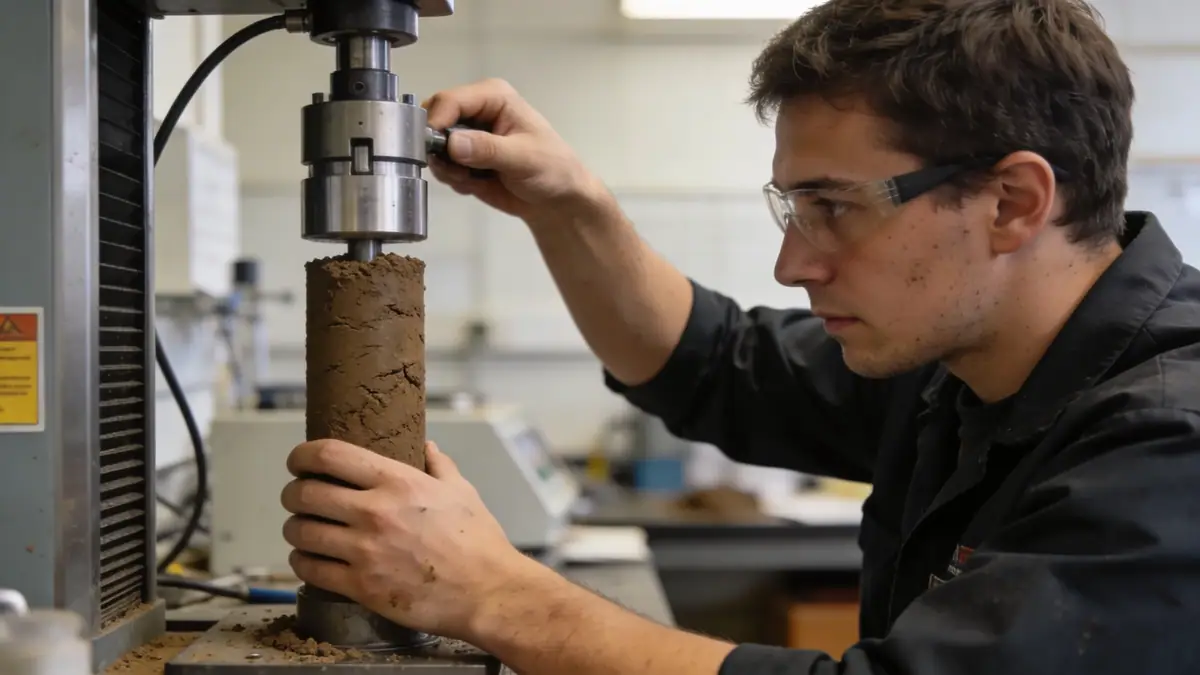
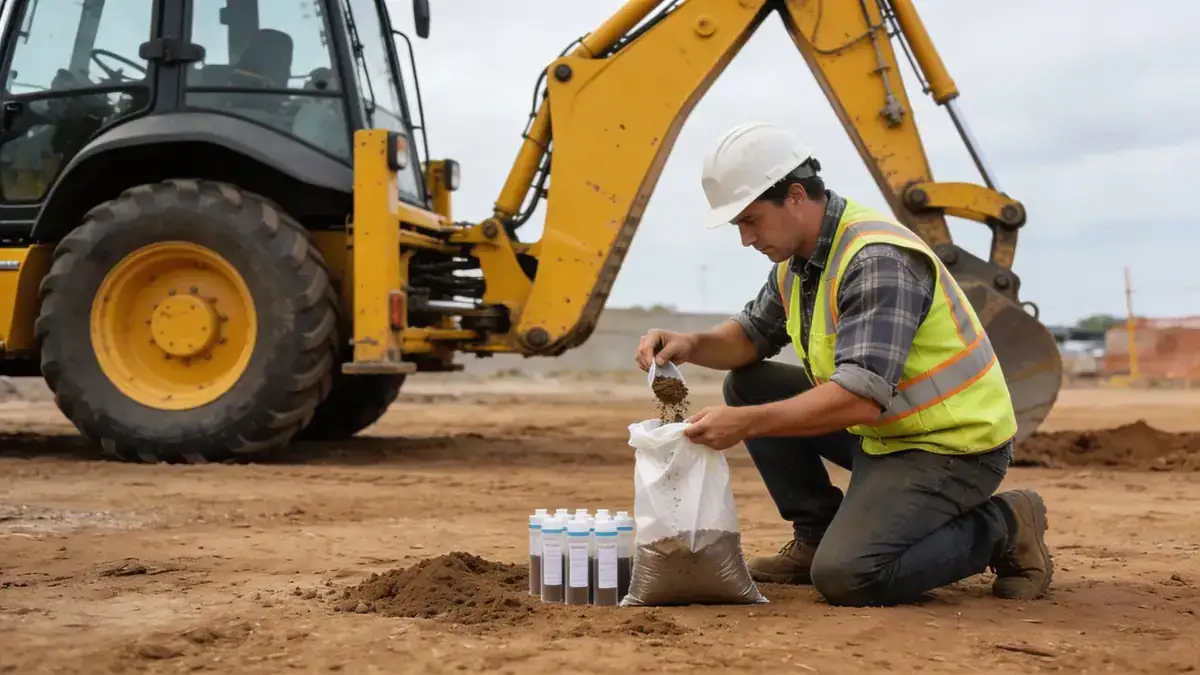
Our team deploys standard penetration test (spt) methods across New York's five boroughs, following ASTM D1586 procedures with automatic hammers and energy calibration. We typically advance boreholes to depths of 15–30 meters using rotary wash or hollow-stem auger techniques, sampling at 1.5-meter intervals. Data is corrected for overburden pressure and rod energy to yield N60 values. All fieldwork is supervised by licensed geotechnical engineers, and results are integrated with standard penetration test (spt) interpretations for foundation recommendations.
Reference Technical Parameters
| Parameter | Reference Value |
|---|---|
| Predominant soil type | Glacial till, sand, silt, clay (varved) |
| Maximum seismic acceleration (PGA) | 0.2–0.3 g (ASCE 7-16) |
| Typical groundwater level | 2–6 m below grade |
| Bedrock depth | 5–50 m (varies by borough) |
| Typical N60 range | 10–40 blows/0.3 m (cohesionless); 5–15 (clay) |
Local Considerations — New York
New York's subsurface is highly variable due to glacial history. In Manhattan, bedrock is shallow (5–15 m), while in Queens and Brooklyn, deep glacial till and varved clays extend beyond 30 m. Groundwater is typically 2–6 m deep, requiring dewatering considerations. Seismic site class ranges from B (rock) to E (soft soil) per ASCE 7-16. Our team has extensive experience with cone penetration test (cpt) as a complementary method in soft soils. Typical projects include high-rises in Midtown, infrastructure in the Bronx, and waterfront developments in Brooklyn.
Request a Quote
Our team reviews your project and issues an initial report at no cost.
Or write us directly at [email protected]
Services in New York
Locations covered in New York
Applicable Standards
- ASTM D1586
- ASCE 7-16
- New York City Building Code (2022)
- NYSDEC Brownfield Cleanup Program
- OSHA 29 CFR 1926
Frequently Asked Questions
What soil types are commonly encountered during standard penetration testing in New York?
New York's geology includes glacial till, varved clays, sands, and silts. In Manhattan, bedrock is near surface; in outer boroughs, deep deposits of soft clays and dense sands are typical. SPT N60 values vary widely, from 5 in soft clay to over 40 in dense till.
How does New York's seismic code affect standard penetration test requirements?
ASCE 7-16 classifies New York as moderate seismic hazard (PGA 0.2–0.3 g). Site class determination via SPT N60 values is mandatory for structures in Seismic Design Categories B–D. Our SPT program provides the N60 profile needed for site classification and liquefaction assessment.
Are standard penetration tests mandatory for building permits in New York City?
Yes, the NYC Building Code requires subsurface investigation for all new buildings and major alterations. A geotechnical report including SPT results must be submitted with foundation designs. The number of borings depends on structure size and site complexity, typically one per 250 m².