Methodology
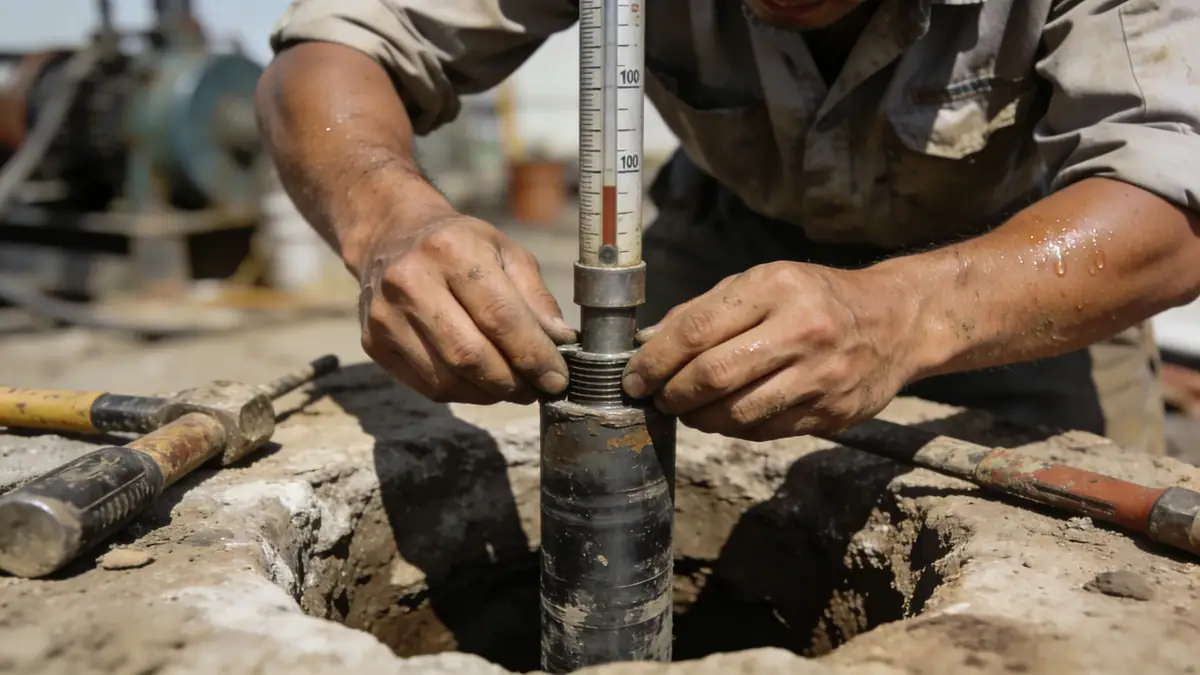
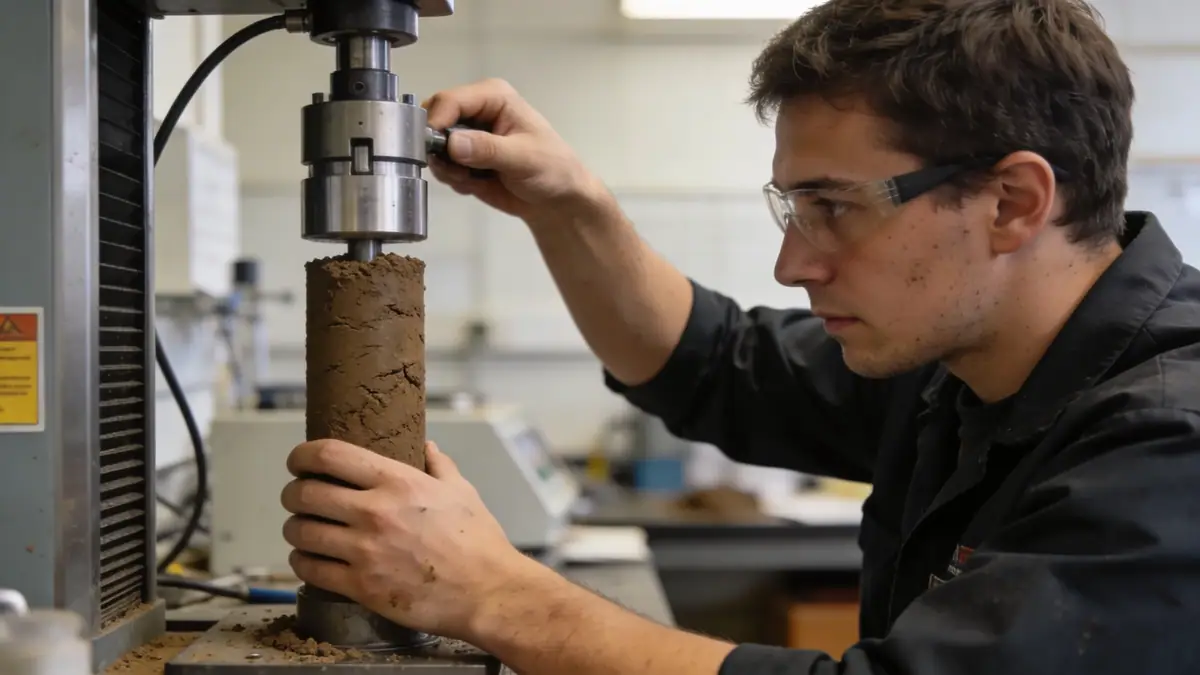
Our methodology for the Standard Penetration Test in Providence follows ASTM D1586, utilizing a 63.5 kg hammer dropped from 760 mm to drive a split-barrel sampler. The number of blows required for each 150 mm increment is recorded, with N-values corrected for overburden and energy efficiency. In Providence, testing is typically conducted at 1.5 m intervals to 30 m depth, with continuous sampling in critical zones. We combine SPT data with standard penetration test (spt) results to characterize soil stratigraphy and estimate engineering properties such as relative density and friction angle. This approach ensures compliance with local building codes and provides a robust basis for foundation design.
Reference Technical Parameters
| Parameter | Reference Value |
|---|---|
| Predominant soil type | Glacial till and stratified drift (sand, gravel, silt) |
| Maximum seismic acceleration (PGA) | 0.15–0.20 g (ASCE 7-16, Site Class C–D) |
| Typical groundwater level | 2–6 m below ground surface (seasonal variation) |
| Bedrock depth | 5–30 m (metamorphic bedrock, depth variable) |
| Typical N60 range | 10–40 blows/300 mm (in till deposits) |
Local Considerations — Providence
Providence's subsurface is dominated by glacial till and stratified drift deposits, with bedrock (primarily granite and schist) at depths ranging from 5 to 30 m. Groundwater levels are shallow, often 2–6 m deep, requiring dewatering considerations for excavations. Seismic hazard is moderate, with peak ground accelerations of 0.15–0.20 g per ASCE 7-16; soil liquefaction potential exists in loose saturated sands near Narragansett Bay. Neighborhood contrasts include downtown fill over former wetlands versus stable till in the East Side. Typical projects involve university expansions and waterfront redevelopment. For comprehensive profiling, our team also employs cone penetration test (cpt) in Providence to supplement SPT data. Our standard penetration test en New York hub provides additional regional context for comparative studies.
Request a Quote
Our team reviews your project and issues an initial report at no cost.
Or write us directly at [email protected]
Services in Providence
Applicable Standards
- ASTM D1586
- ASCE 7-16
- RI Building Code
Frequently Asked Questions
What soil types are commonly encountered during SPT in Providence?
Providence soils are predominantly glacial till (sand, gravel, silt) and stratified drift deposits. These materials often contain cobbles and boulders, which can require careful SPT procedures to avoid sampler damage. Local knowledge of till variability is critical for accurate N-value interpretation.
Does Rhode Island building code require SPT for all projects in Providence?
The Rhode Island State Building Code (based on IBC) mandates subsurface investigations for structures in seismic design categories C–F. SPT is the standard method for determining soil liquefaction potential and foundation bearing capacity. Local amendments may require additional testing in fill areas.
How does seismic hazard affect SPT testing requirements in Providence?
Providence falls within Seismic Design Category B to C per ASCE 7-16, with mapped PGA of 0.15–0.20 g. SPT N-values are used to evaluate liquefaction susceptibility in saturated sands, particularly near the Providence River. Deeper borings (up to 30 m) may be required for site class determination.