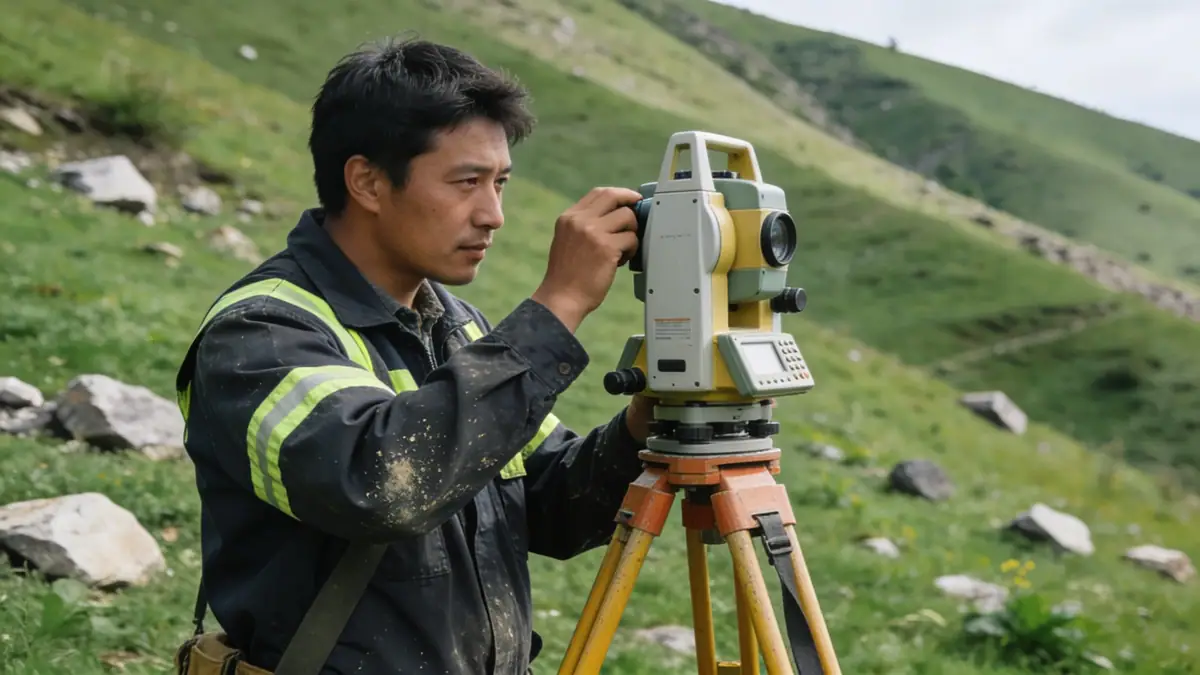
Methodology
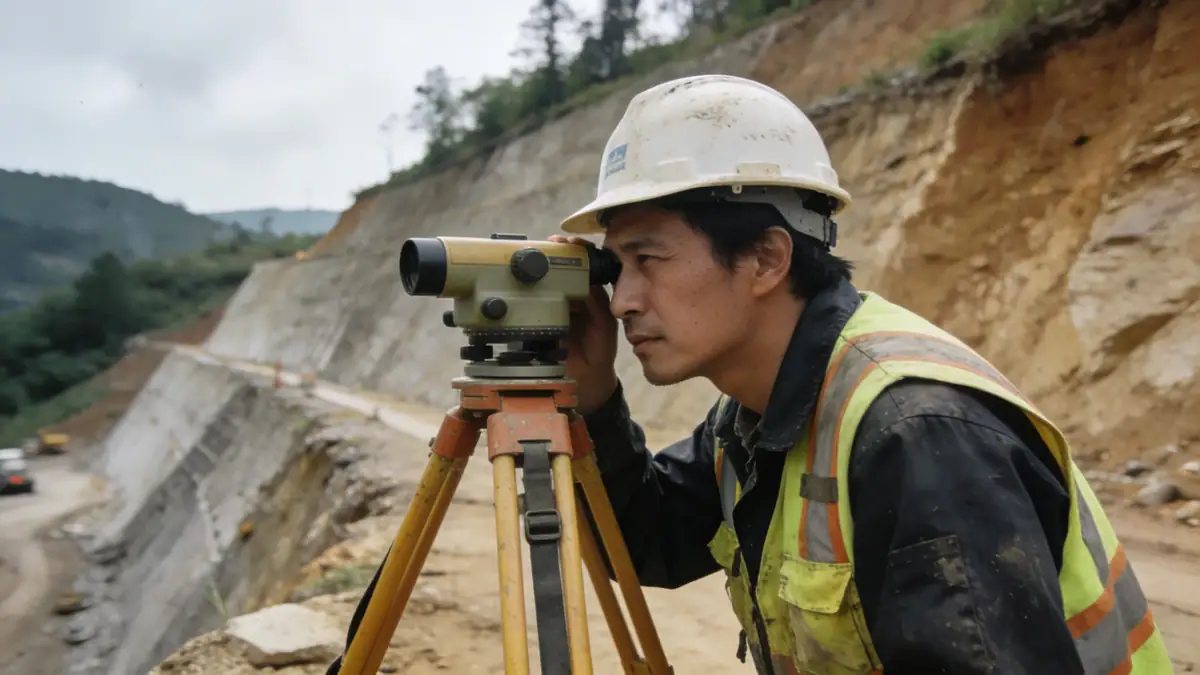
DPSH Dynamic Probing is performed using a 50 kg hammer dropped 500 mm, recording blows per 100 mm penetration (N10) to refusal or a maximum depth of 15 m. Our team follows ASTM D1586 correlations for SPT equivalence, with a typical energy efficiency of 60%. The procedure includes rod string alignment, continuous recording, and real-time data transmission to our central office. We deploy truck-mounted and portable rigs based on site accessibility. For complementary high-resolution profiling, we integrate our Standard Penetration Test (SPT) service. All field data is processed using proprietary software that applies depth corrections and lithological classification per Eurocode 7 guidelines.
Reference Technical Parameters
| Parameter | Reference Value |
|---|---|
| Hammer Weight | 50 kg |
| Drop Height | 500 mm |
| Penetration Depth | 100 mm per interval |
| Max Depth | 15 m (typical) |
| Blow Count Recording | N10 per 100 mm |
Local Considerations — USA
DPSH probing is particularly effective in the alluvial deposits of the Mississippi Valley and the glacial tills of the Great Lakes region. In cities like Akron and Albuquerque, our team adjusts testing intervals to account for cobble layers and caliche horizons, respectively. Along the Gulf Coast, from Houston to New Orleans, the high water table requires careful rod advancement to avoid hydrostatic uplift. Our nationwide fleet ensures rapid mobilization to any of the 150+ cities served, including Anchorage, where permafrost conditions demand winterized equipment and modified energy corrections.
Request a Quote
Our team reviews your project and issues an initial report at no cost.
Or write us directly at [email protected]
Applicable Standards
- ASTM D1586 (Standard Test Method for SPT)
- Eurocode 7 (Geotechnical Design – Part 2: Ground Investigation)
- ASCE 7 (Minimum Design Loads for Buildings and Other Structures)
- USACE EM 1110-1-1804 (Geotechnical Investigations)
Frequently Asked Questions
What is the difference between DPSH and SPT?
DPSH uses a 50 kg hammer with 500 mm drop, recording blows per 100 mm, while SPT uses a 63.5 kg hammer with 760 mm drop and a split-spoon sampler. DPSH is continuous and faster, ideal for preliminary profiling, whereas SPT provides disturbed samples for lab testing.
How does DPSH correlate to SPT blow counts?
Our team applies energy correction factors per ASTM D1586-18 to convert DPSH N10 values to equivalent SPT N60 values. A typical correlation is N60 ≈ 1.2 × N10, validated against calibration chamber tests and site-specific soil conditions across US projects.
What are the typical project timelines for DPSH probing?
For a standard 10-point probe program to 10 m depth, field operations require 1–2 days. Mobilization to any of our 150+ cities is typically within 48 hours. Full reporting, including logs and correlations, is delivered within 5 business days after field completion.
How much does DPSH Dynamic Probing cost in the US?
Our nationwide rate for DPSH probing ranges from $1,260 to $4,200 per project, depending on depth, number of probes, site accessibility, and local mobilization costs. This range reflects 2026 pricing. For an accurate estimate, please request a project-specific quote.