Methodology
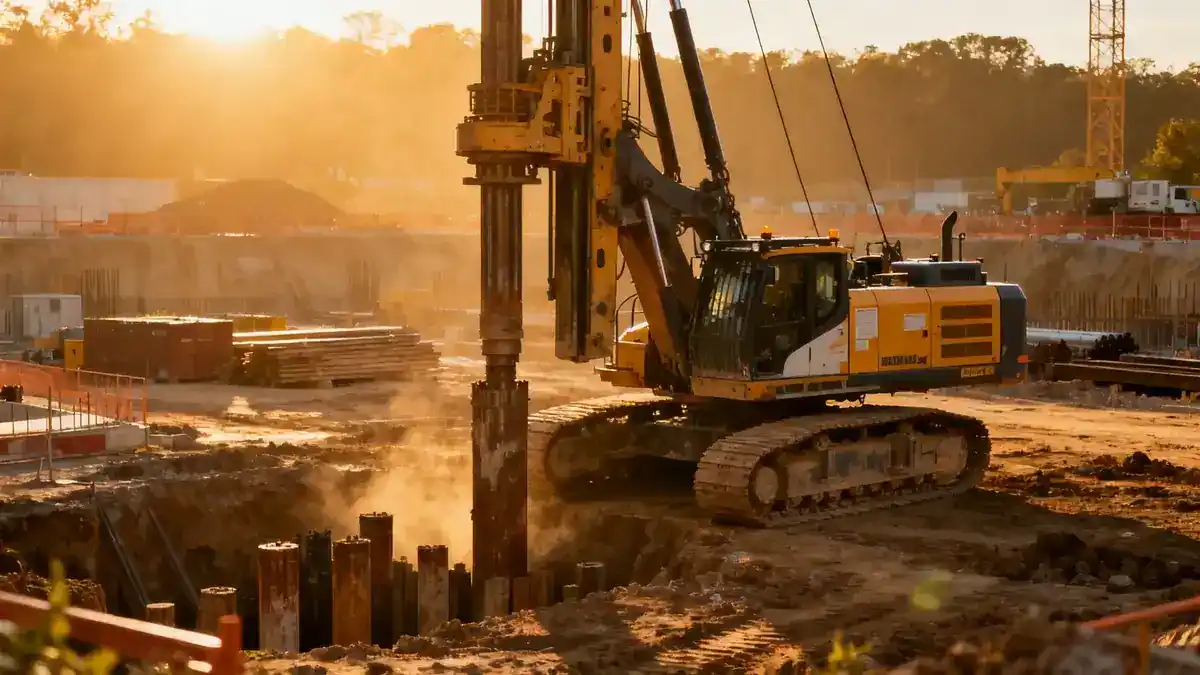
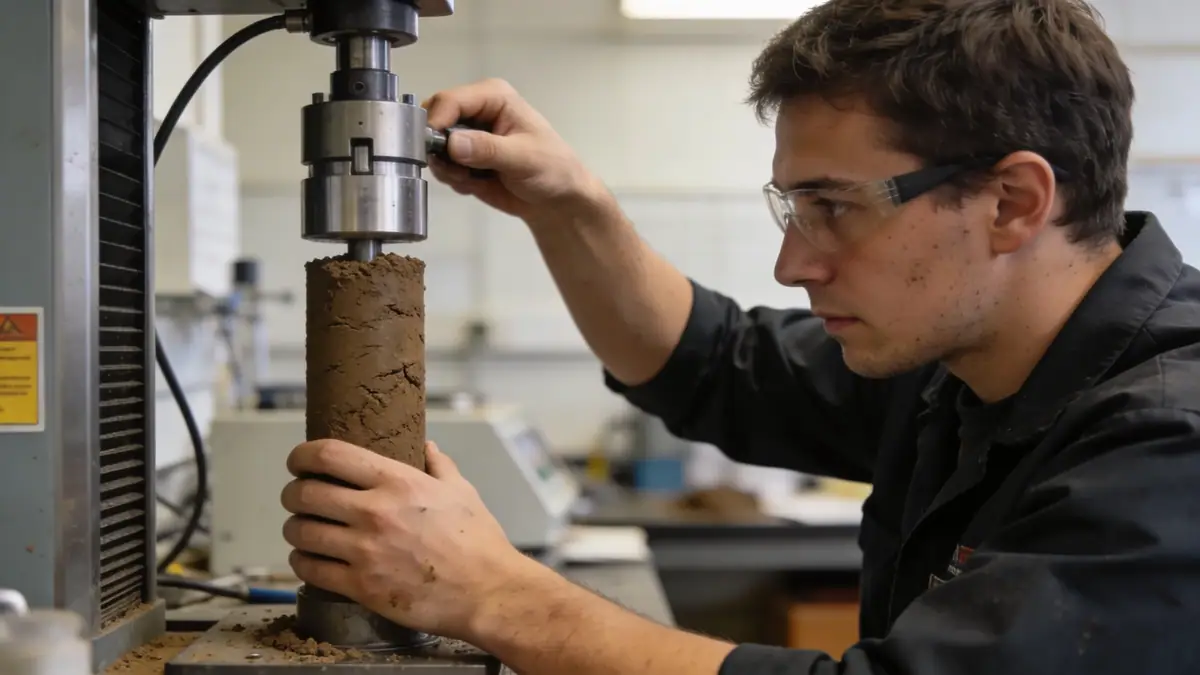
Our approach to standard penetration test in Atlanta follows ASTM D1586, with split-spoon sampling at 1.5 m intervals to refusal. We record N-values and classify soils per USCS, providing continuous SPT logs. For more detailed profiling, we integrate cone penetration test (cpt) soundings. All field work is supervised by experienced geologists, and data is analyzed to derive bearing capacity and settlement parameters for foundation design.
Reference Technical Parameters
| Parameter | Reference Value |
|---|---|
| Predominant soil type | Residual silty sands (SM) and clayey sands (SC) over saprolite |
| Maximum seismic acceleration (PGA) | 0.20 g (IBC 2018, Site Class C) |
| Typical groundwater level | 3–6 m below grade, perched in weathered zones |
| Bedrock depth | 10–30 m; gneiss/schist with variable weathering |
| Typical N60 range (SPT) | 10–30 blows/0.3 m in residual soils; >50 in saprolite |
Local Considerations — Atlanta
Atlanta's Piedmont geology features deep residual soils from crystalline rock weathering, with thickness varying from 5 m to over 30 m. Groundwater is often perched, complicating excavations. Seismic hazard is moderate (IBC Site Class C, PGA 0.20 g), requiring site-specific response analysis for essential facilities. Older downtown areas may have undocumented fill, while suburban sites often present uniform saprolite. Our team leverages dpsh dynamic probing to profile variability efficiently. Typical projects include high-rises, bridges, and subdivisions where standard penetration test data drives foundation decisions.
Request a Quote
Our team reviews your project and issues an initial report at no cost.
Or write us directly at [email protected]
Services in Atlanta
Locations covered in Atlanta
Applicable Standards
- ASTM D1586
- IBC 2018 (International Building Code)
- ASCE 7-16 Seismic Provisions
- Georgia Soil and Water Conservation Commission guidelines
Frequently Asked Questions
What soil conditions are typical for standard penetration testing in Atlanta?
Atlanta's Piedmont region features residual soils—silty sands and clayey sands—overlying saprolite and weathered gneiss/schist. SPT N-values range from 10 to 30 in the upper zone and exceed 50 in saprolite. Groundwater is often perched at 3–6 m depth.
Is seismic site classification required for projects in Atlanta?
Yes, IBC 2018 requires site classification for all buildings. Atlanta is Seismic Design Category B (PGA 0.20 g). Standard penetration test data is used to determine Site Class (typically C or D) and to perform site-specific response analysis for risk Category III/IV structures.
When is a standard penetration test mandatory in Atlanta?
SPT is typically required for commercial buildings over three stories, essential facilities, and infrastructure projects. Local jurisdictions may also require it for subdivisions with expansive soils or high water tables. A geotechnical report including SPT logs is standard for building permit applications.