Methodology
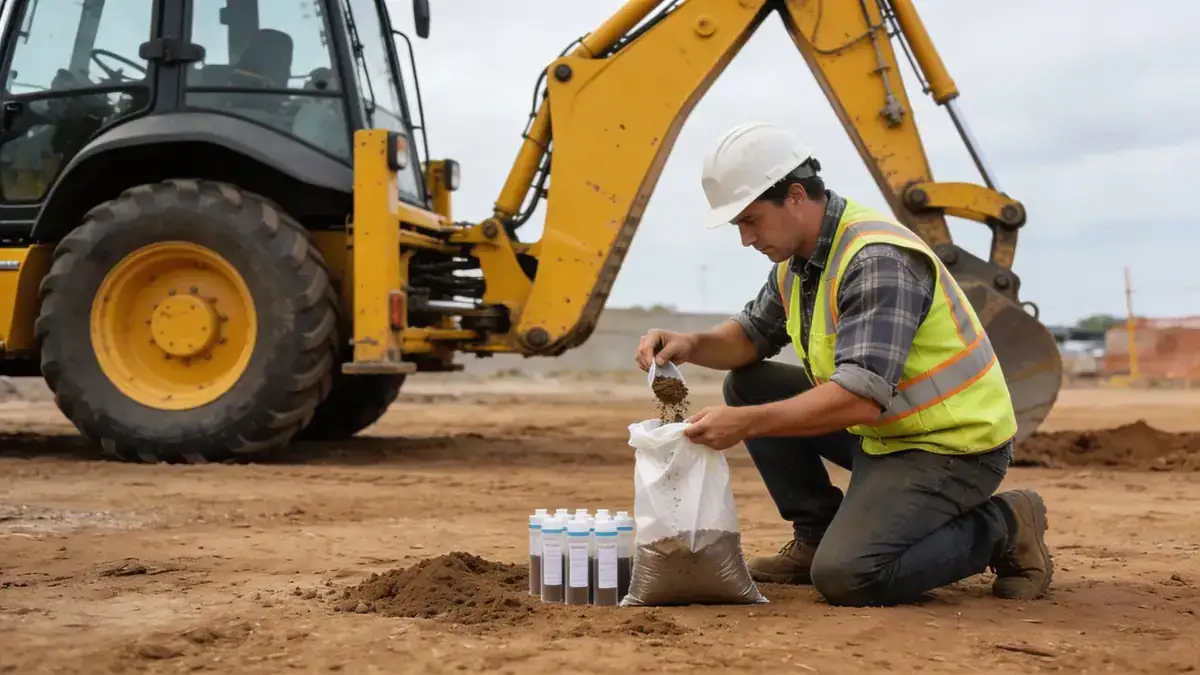
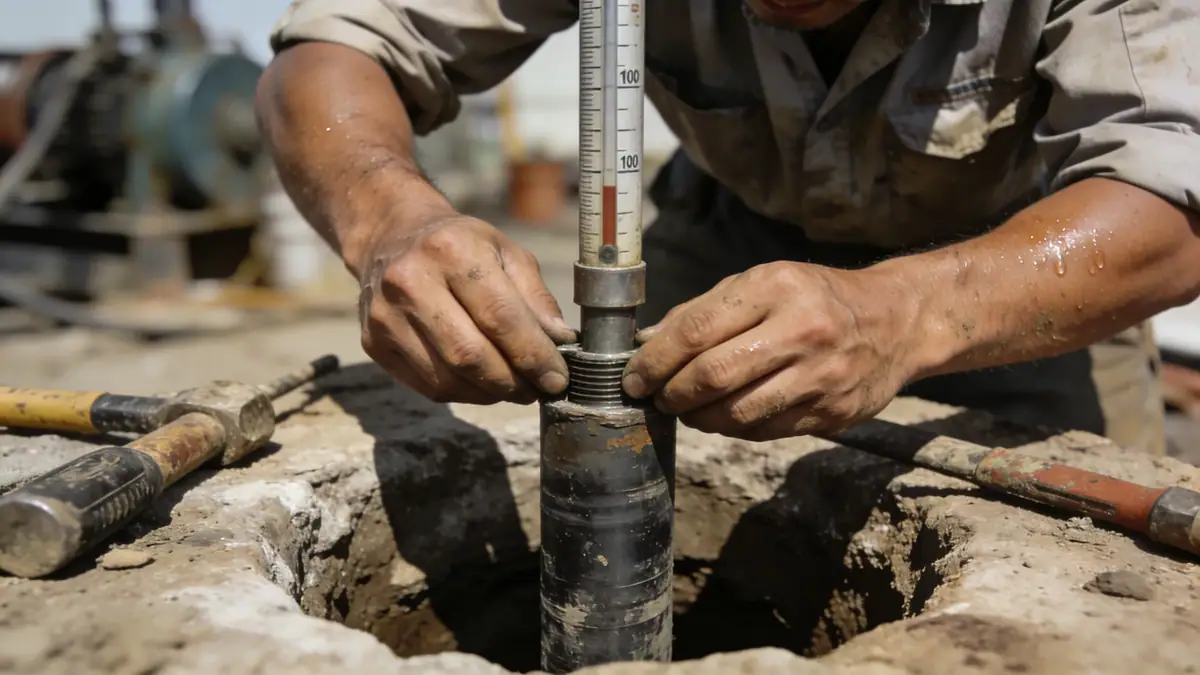
Our methodology for standard penetration test in Huntsville follows ASTM D1586, with split-spoon sampling at 1.5-meter intervals to obtain N60 values. We deploy truck-mounted drill rigs capable of reaching 30 meters in typical Huntsville profiles. Each test records blow counts per 300 mm penetration, with corrections for overburden and hammer efficiency. Our team ensures precise energy measurements and maintains detailed logs for every borehole. For projects requiring continuous profiling, we also recommend complementary methods such as cone penetration test (cpt). All data is processed in accordance with local building codes to provide reliable parameters for foundation design.
Reference Technical Parameters
| Parameter | Reference Value |
|---|---|
| Predominant Soil Type | clay and limestone residuum |
| Maximum Seismic Acceleration (PGA) | 0.10 g (ASCE 7-16) |
| Typical Groundwater Level | 3–8 m below grade |
| Bedrock Depth | 10–25 m (limestone) |
| Typical N60 Range | 4–30 (clay), 10–50 (sand) |
Local Considerations — Huntsville
Huntsville's geology features residual clay overlying karstic limestone, requiring careful SPT execution to avoid misinterpretation due to cavities. Seismic design per ASCE 7-16 Site Class C or D is typical, with PGA of 0.10 g. Groundwater levels fluctuate with seasons, often encountered at 3–8 m. Our team coordinates with local authorities to address site-specific risks, such as sinkholes in the Madison County area. For detailed profiling, we also offer dpsh dynamic probing to assess shallow variability. Our headquarters in Atlanta provides regional support; learn more about standard penetration test in Atlanta for broader project coverage.
Request a Quote
Our team reviews your project and issues an initial report at no cost.
Or write us directly at [email protected]
Services in Huntsville
Applicable Standards
- ASTM D1586
- ASCE 7-16
- IBC 2021
- Alabama Building Code
Frequently Asked Questions
What soil types are commonly encountered during standard penetration test in Huntsville?
Huntsville primarily features residual clay from limestone weathering, with occasional sand lenses near the Tennessee River. The clay is typically stiff to hard, with N60 values ranging from 4 to 30. Limestone bedrock is encountered at depths of 10–25 m, often with solution cavities that require careful SPT interpretation.
How does seismic design influence standard penetration test requirements in Huntsville?
Per ASCE 7-16, Huntsville falls under Seismic Design Category B with PGA of 0.10 g. While seismic demands are moderate, site classification (A–F) depends on SPT N60 values and shear wave velocity. Our testing provides the N60 data needed for Site Class determination, which directly affects foundation design and lateral load analysis.
Are geotechnical investigations mandatory for construction in Huntsville?
The Alabama Building Code (IBC 2021) requires geotechnical investigations for most structures, particularly those with seismic or soil-related risks. Local jurisdictions in Huntsville often mandate SPT borings for commercial buildings and multi-story residential projects. Our firm assists developers in meeting these regulatory requirements efficiently.