Methodology
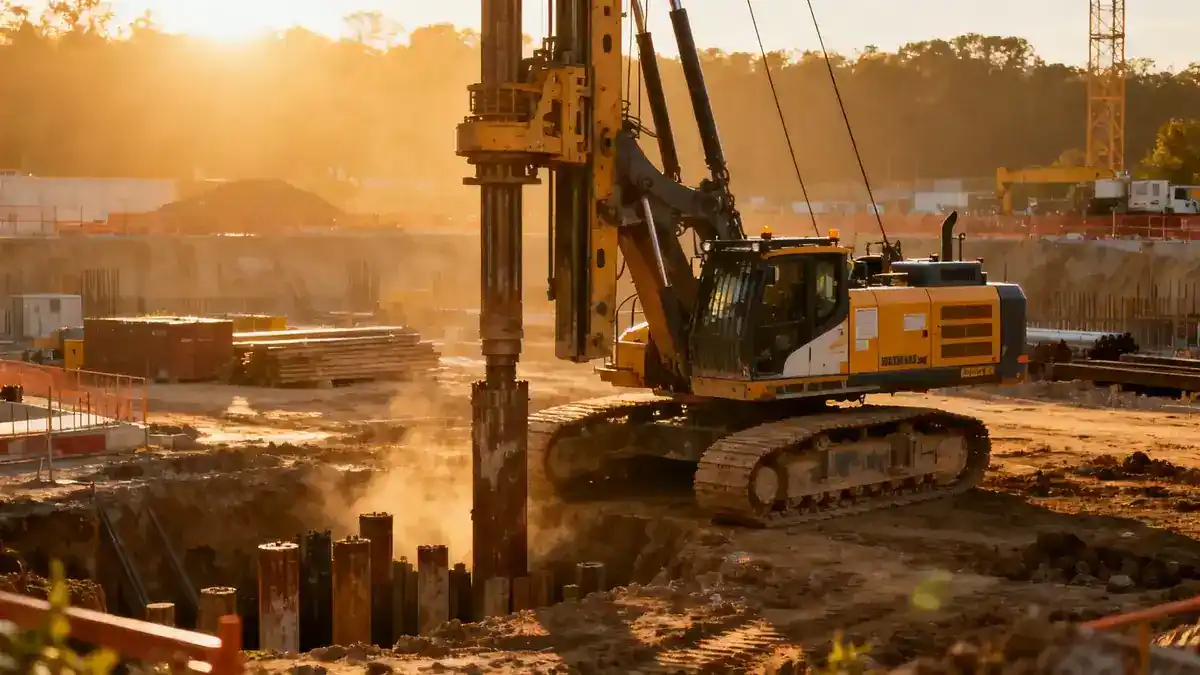
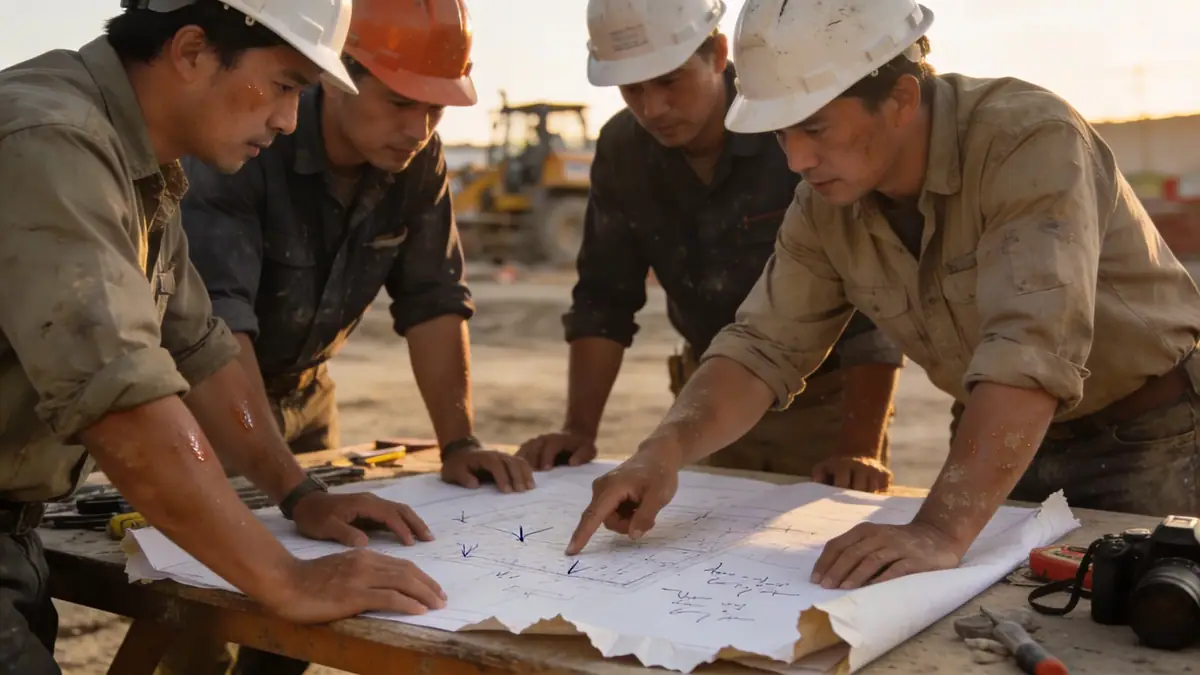
Our methodology for standard penetration test in Philadelphia follows ASTM D1586, with split-barrel sampling and automatic hammers to ensure consistent energy delivery. We perform standard penetration test (spt) at 1.5 m intervals to capture stratigraphic changes, with blow counts recorded to assess relative density and strength. In urban settings, we coordinate with utility clearance and traffic management to minimize disruption. Our approach integrates local geological knowledge, targeting bedrock depths that range from 5 m in the northwest to over 30 m in the south. All data is analyzed using calibrated N60 values for foundation design per ASCE 7 seismic parameters.
Reference Technical Parameters
| Parameter | Reference Value |
|---|---|
| Predominant soil type | Alluvial sands & clays (Delaware River basin); schist & gneiss bedrock |
| Maximum seismic acceleration (PGA) | 0.15g (ASCE 7-16, Site Class C/D) |
| Typical groundwater level | 2–5 m below grade (variable with season) |
| Bedrock depth | 5–30 m (shallower in northwest, deeper in south) |
| Typical N60 range | 5–15 (soft fill); 20–40 (dense sands); >50 (bedrock) |
Local Considerations — Philadelphia
Philadelphia’s geology is dominated by the Delaware River’s alluvial deposits, consisting of interbedded sands, silts, and clays overlying crystalline bedrock (Wissahickon Formation). Groundwater is typically shallow (2–5 m), requiring dewatering for excavations. Seismic hazard is moderate (PGA 0.15g per ASCE 7-16), with Site Class C/D prevalent. The contrast between Center City’s deep soils and the northwest’s shallow bedrock demands varied investigation strategies. Our team performs cone penetration test (cpt) for continuous profiling in thick deposits, and dpsh dynamic probing for rapid bedrock verification. Common challenges include urban fill, buried utilities, and historic foundations in areas like Society Hill.
Request a Quote
Our team reviews your project and issues an initial report at no cost.
Or write us directly at [email protected]
Services in Philadelphia
Locations covered in Philadelphia
Applicable Standards
- ASTM D1586 (Standard Penetration Test)
- ASCE 7-16 (Minimum Design Loads and Associated Criteria for Buildings)
- Philadelphia Building Code (IBC 2018 with local amendments)
- ASTM D2487 (Classification of Soils for Engineering Purposes)
Frequently Asked Questions
What soil types are most common in Philadelphia?
Philadelphia’s soils are primarily alluvial deposits from the Delaware River, including sands, silts, and clays. Glacial till and weathered schist bedrock are also present, especially in the northwest. The Pennsylvania Piedmont region contributes residual soils over crystalline bedrock.
Is seismic analysis required for building projects in Philadelphia?
Yes, the Philadelphia Building Code adopts ASCE 7-16, which requires seismic design based on site-specific spectral accelerations. With a PGA of 0.15g, seismic considerations apply to most structures, and standard penetration test data (N60) is used to determine site class and liquefaction potential.
Are geotechnical investigations mandatory for new construction in Philadelphia?
The Philadelphia Building Code mandates geotechnical investigations for structures with significant loads or in areas with known subsurface hazards. A standard penetration test is typically required to characterize soil bearing capacity and settlement parameters. Local practice also recommends testing for underground storage tanks and deep foundations.