Methodology
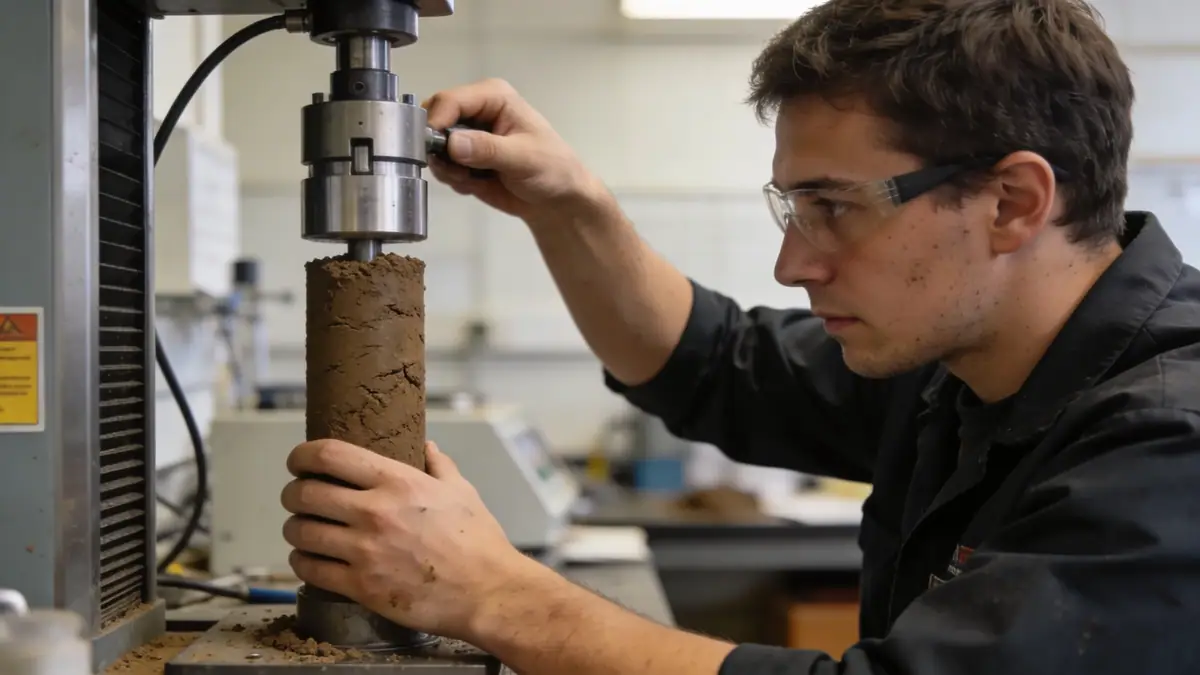
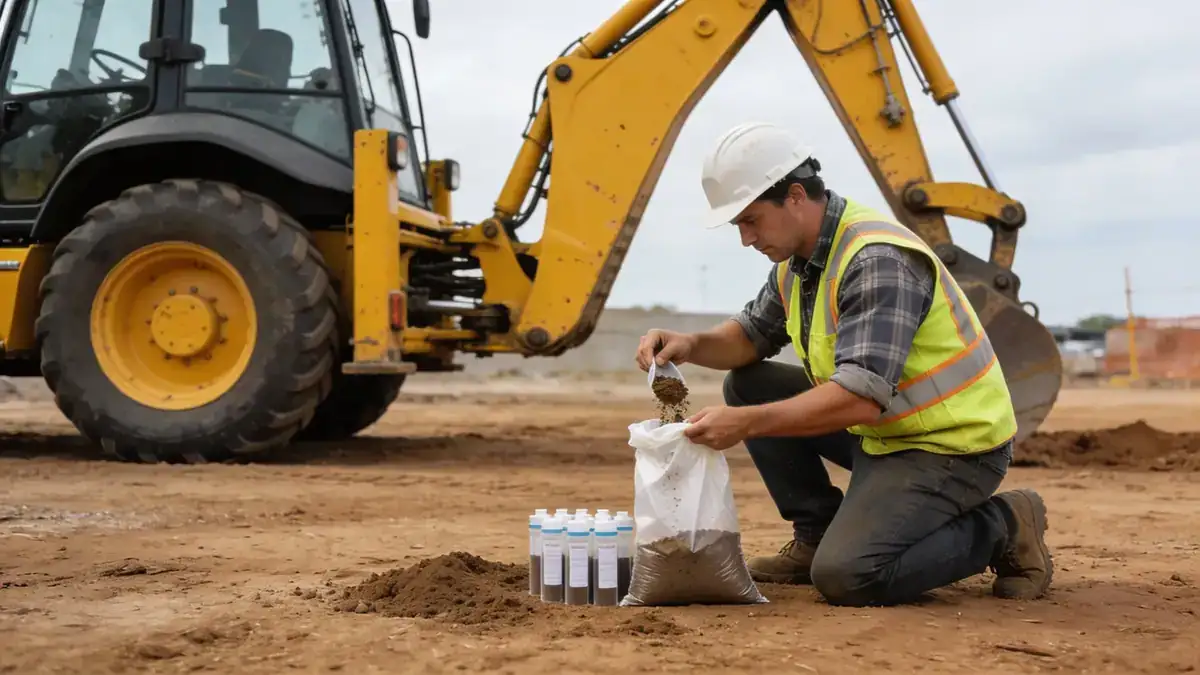
Our methodology for standard penetration test in Raleigh follows ASTM D1586, employing a 63.5 kg hammer with a 0.76 m drop to drive a split-spoon sampler. We conduct borings at intervals specified by project requirements, typically every 1.5 m, with continuous sampling in critical zones. Our team integrates these results with standard penetration test (spt) data to assess soil strength and liquefaction potential. For cohesive soils, we complement SPT with torvane and unconfined compression tests. All field procedures are documented per North Carolina Department of Transportation standards.
Reference Technical Parameters
| Parameter | Reference Value |
|---|---|
| Predominant soil type | Residual silty sand and clay (Piedmont) |
| Maximum seismic acceleration (PGA) | 0.2g (ASCE 7-16, Site Class C) |
| Typical groundwater level | 3-6 m below grade |
| Bedrock depth | 5-30 m (weathered rock zone) |
| Typical N60 range | 10-40 blows/ft (variable with depth) |
Local Considerations — Raleigh
Raleigh's Piedmont geology presents unique challenges, including shallow bedrock in some areas and deep saprolite in others. Our team accounts for these variations by tailoring boring depths and sampling intervals. For projects near the Neuse River, alluvial deposits may require cone penetration test (cpt) for continuous profiling. Seismic site classification per ASCE 7-16 is critical for compliance with North Carolina Building Code. We also coordinate with local authorities for utility clearances and traffic control. For a broader context, refer to our standard penetration test en Philadelphia hub.
Request a Quote
Our team reviews your project and issues an initial report at no cost.
Or write us directly at [email protected]
Services in Raleigh
Applicable Standards
- ASTM D1586
- ASCE 7-16
- North Carolina Building Code (NCBC)
- North Carolina Department of Transportation (NCDOT) Geotechnical Manual
Frequently Asked Questions
What are typical soil conditions for standard penetration test in Raleigh?
Raleigh soils are predominantly residual silty sands and clays from weathered granite and gneiss. N60 values range from 10 to 40 blows/ft, with groundwater at 3-6 m depth. Deeper borings may encounter saprolite or bedrock.
How does seismic site classification affect SPT requirements in Raleigh?
Per ASCE 7-16, Raleigh falls under Seismic Design Category B or C. Standard penetration test data is used to determine Site Class (A-F) based on average N60 values in the top 30 m, influencing foundation design and liquefaction analysis.
Is standard penetration test mandatory for residential construction in Raleigh?
While not always mandatory, many local jurisdictions require SPT for site-specific foundation design, especially for structures with irregular loads or in areas with variable soil conditions. Our firm recommends SPT for any project requiring geotechnical report.