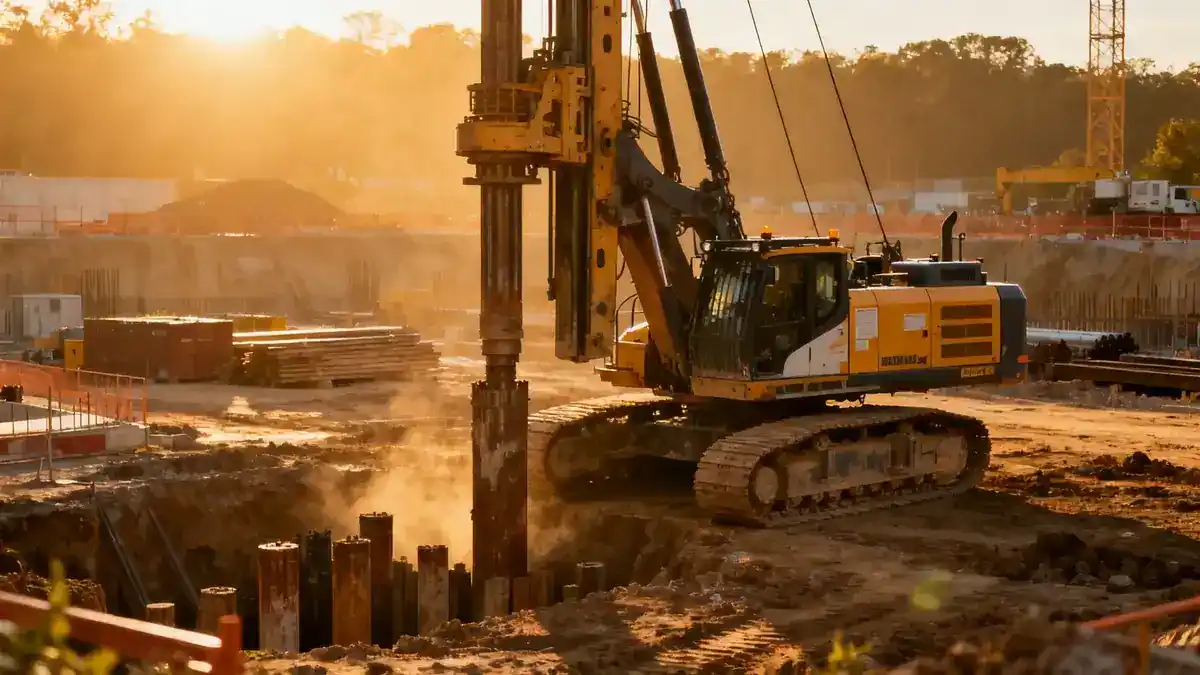
Methodology
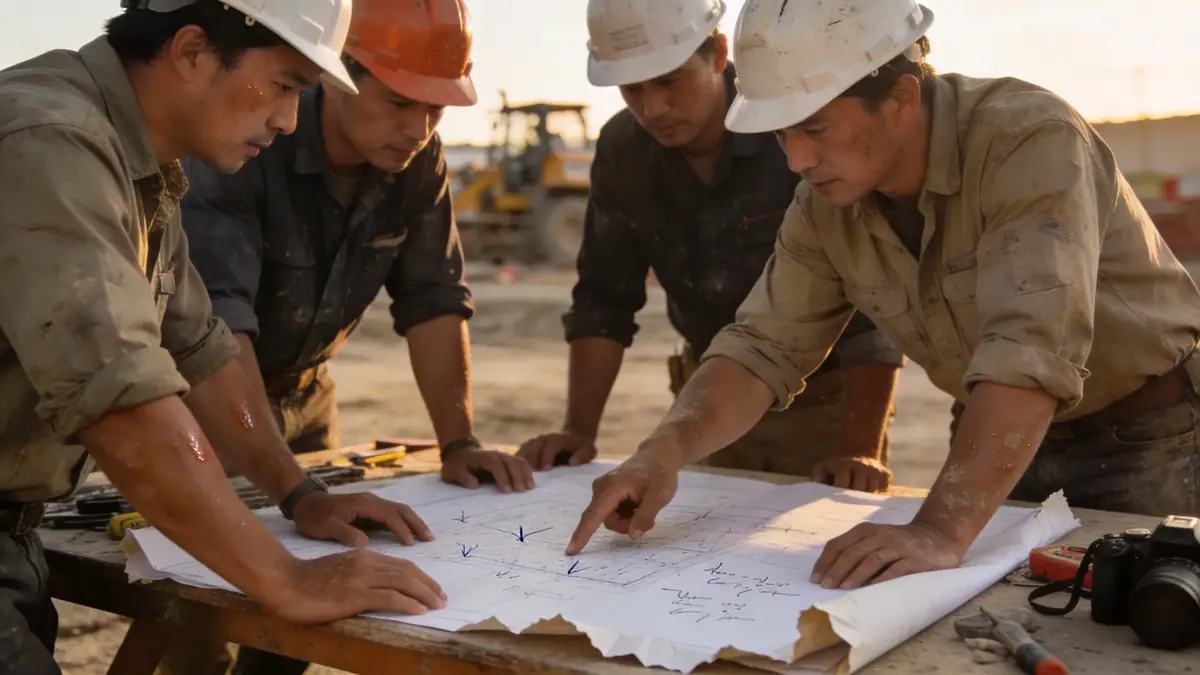
Our methodology for standard penetration test (spt) in Chicago follows ASTM D1586 with split-spoon sampling at 1.5 m intervals to refusal. We record blow counts per 300 mm penetration, correcting for rod length, overburden, and hammer efficiency to obtain N60 values. Energy measurements via instrumented hammer ensure accuracy. Our field team logs soil strata and groundwater levels continuously, providing data for bearing capacity and settlement analysis.
Reference Technical Parameters
| Parameter | Reference Value |
|---|---|
| Predominant soil type | Glacial till (hard clay) and lacustrine clays |
| Maximum seismic acceleration (PGA) | 0.10–0.15 g (per ASCE 7-16) |
| Typical groundwater level | 2–5 m below grade |
| Bedrock depth | 30–100 m (dolomite limestone) |
| Typical N60 range | 5–15 (soft clay) to 40+ (hard till) |
Local Considerations — Chicago
Chicago's geology is dominated by Chicago clay, a soft to medium-stiff lacustrine deposit up to 30 m thick, underlain by glacial tills. The high water table (2–5 m) requires careful dewatering during SPT. Seismic site classification per ASCE 7-16 typically yields Site Class D or E, demanding deeper borings. In the downtown area, urban fill and abandoned utilities complicate access. Our team adapts drilling methods (mud rotary or hollow-stem auger) to local conditions. For deep foundations, we often recommend cone penetration test (cpt) as a complementary method to profile clay sensitivity.
Request a Quote
Our team reviews your project and issues an initial report at no cost.
Or write us directly at [email protected]
Services in Chicago
Locations covered in Chicago
Applicable Standards
- ASTM D1586
- ASCE 7-16
- Chicago Building Code (Title 14B)
- IBC 2021
Frequently Asked Questions
What are the typical soil conditions encountered during SPT in Chicago?
Chicago soils consist of soft to medium-stiff lacustrine clay (Chicago clay) overlying glacial tills and dolomite bedrock. N60 values in clay range from 5 to 15, while tills exceed 40. Groundwater is typically shallow, at 2–5 m depth.
Is SPT required for seismic design in Chicago?
Yes. Per ASCE 7-16, site class determination (A–F) requires SPT N60 values for seismic design. Chicago's moderate seismicity (PGA 0.10–0.15 g) and soft soils often result in Site Class D or E, necessitating deeper borings to 30 m or more.
Are geotechnical investigations mandatory for residential construction in Chicago?
For single-family homes, a geotechnical report is not always required, but the Chicago Building Code mandates soil bearing capacity verification. For commercial or multi-story projects, SPT borings are typically required by the building department.