Methodology

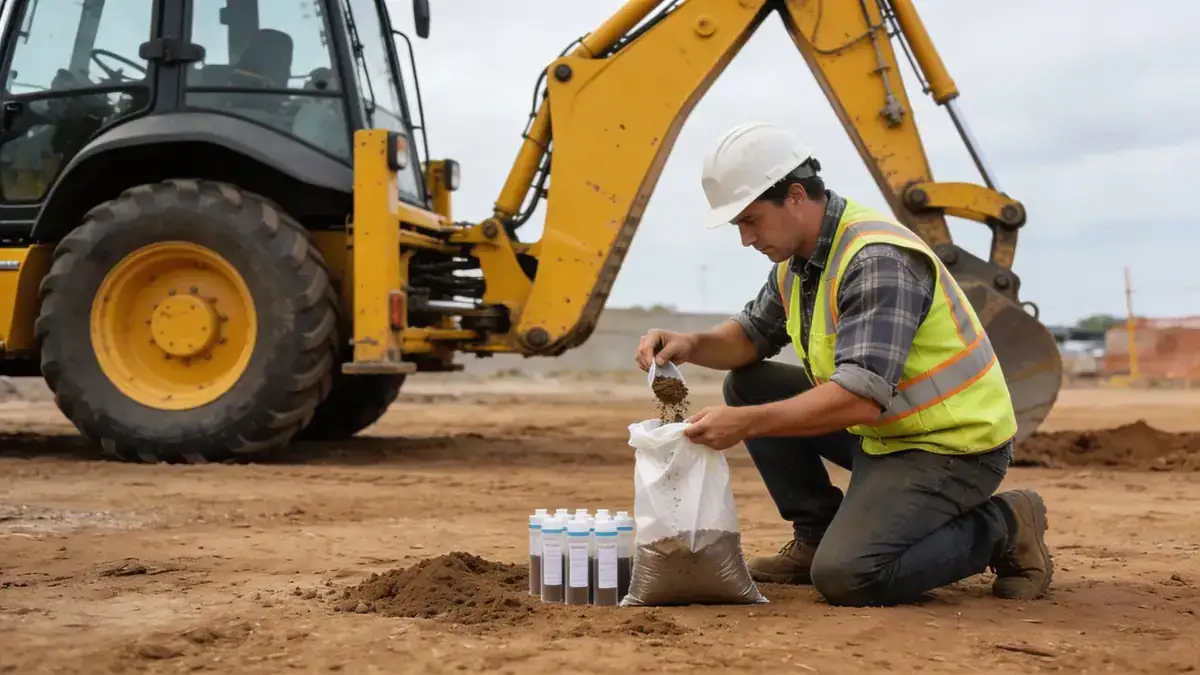
Our approach in Aurora follows ASTM D1586 for standard penetration tests, using a 63.5 kg hammer dropped 760 mm to drive a split-barrel sampler. We record blow counts per 150 mm increment to determine N-values, with corrections for overburden and hammer efficiency. For detailed profiling, we complement SPT with cone penetration test (cpt) where continuous stratigraphy is needed. All fieldwork adheres to local safety standards and regulatory requirements, ensuring data integrity from borehole to report.
Reference Technical Parameters
| Parameter | Reference Value |
|---|---|
| Predominant soil type | Glacial till and alluvial silty clay |
| Maximum seismic acceleration (PGA) | 0.18g (ASCE 7-16) |
| Typical groundwater level | 3–6 m below grade |
| Bedrock depth | 20–30 m (dolomite) |
| Typical N60 range | 10–30 blows/300 mm (upper 10 m) |
Local Considerations — Aurora Illinois
Aurora's subsurface is dominated by glacial till with interbedded sand and gravel lenses, underlain by dolomite bedrock. Groundwater is generally shallow, requiring dewatering for deep excavations. Seismic design follows ASCE 7-16 with Site Class D typically applicable. Our experience includes projects in both downtown and suburban areas, where fill and variable soil conditions are common. For broader regional context, our standard penetration test en Chicago hub provides additional insights. We also utilize dpsh dynamic probing for rapid compaction assessment in granular soils.
Request a Quote
Our team reviews your project and issues an initial report at no cost.
Or write us directly at [email protected]
Services in Aurora Illinois
Applicable Standards
- ASTM D1586
- ASCE 7-16
- IBC 2021
- Illinois Administrative Code
Frequently Asked Questions
What soil conditions are typical in Aurora Illinois?
Aurora's soils consist primarily of glacial till (silty clay with sand and gravel) overlying dolomite bedrock. Alluvial deposits are common near the Fox River. Groundwater is often encountered between 3 and 6 meters depth.
Is seismic design required for projects in Aurora?
Yes, Aurora is in seismic design Category C per ASCE 7-16, with a maximum considered earthquake spectral response acceleration (SDS) of approximately 0.33g. Site-specific geotechnical data from SPT is often required for design.
Are geotechnical investigations mandatory for construction in Aurora?
While not always mandated by city code, most lenders and structural engineers require a geotechnical report for new buildings. The IBC and local amendments often trigger subsurface exploration for structures with certain occupancy or size.