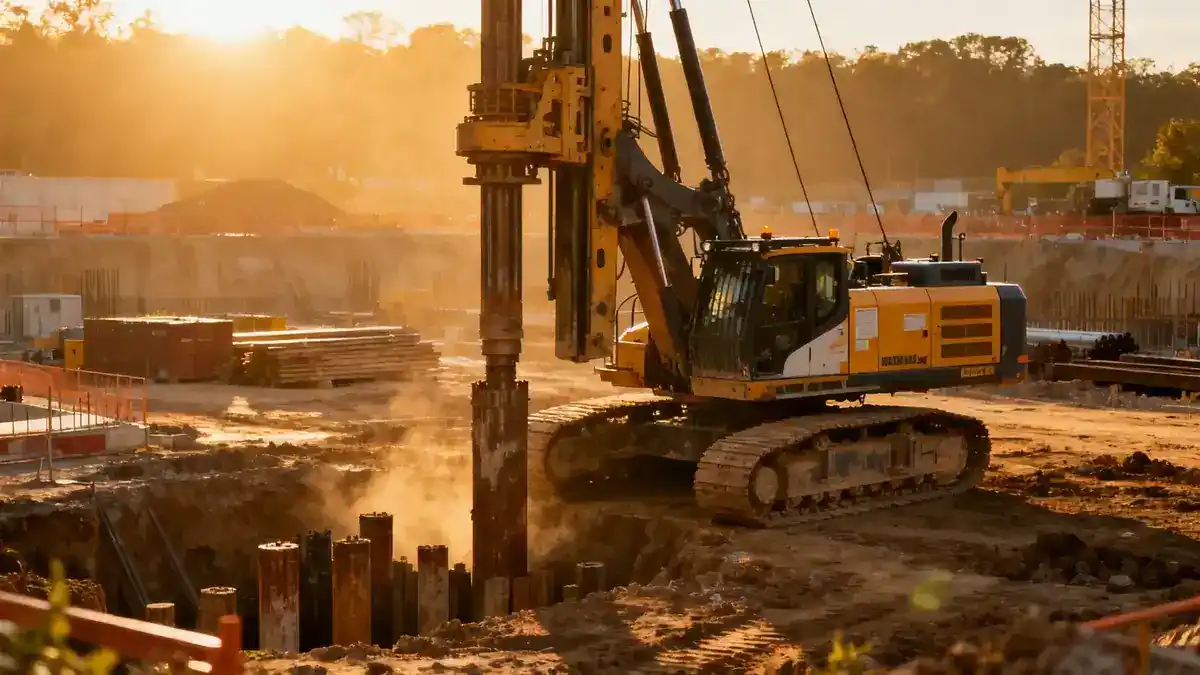
Methodology
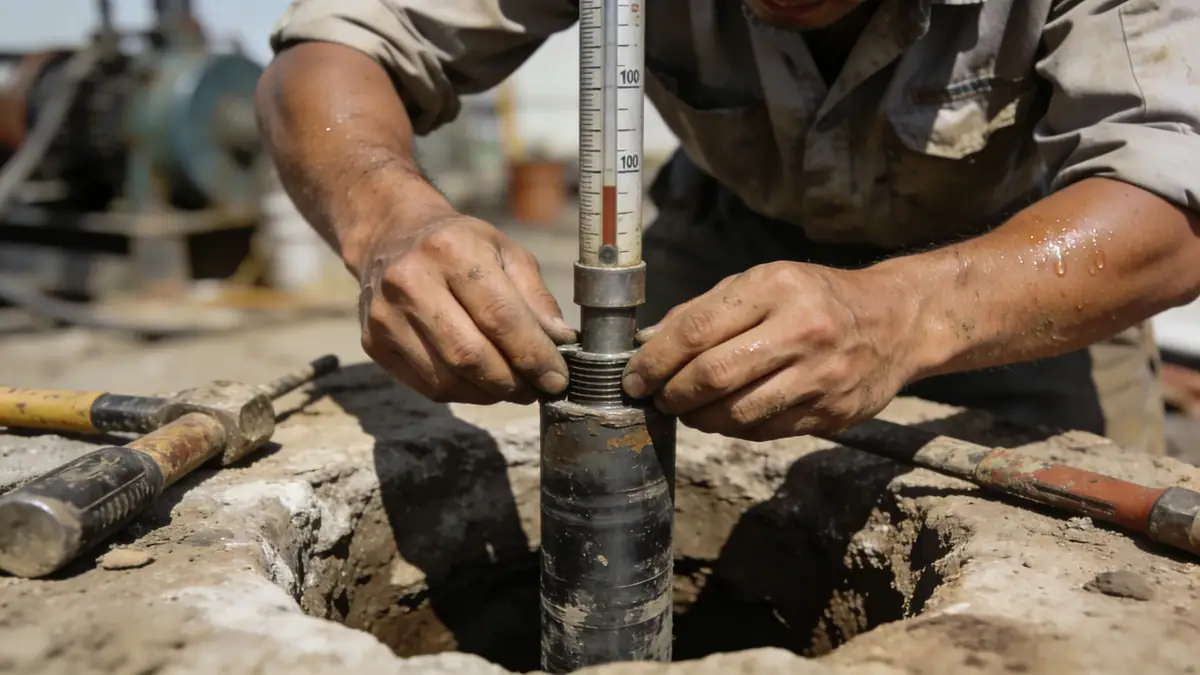
Our methodology for standard penetration test (SPT) in Houston follows ASTM D1586, using a 63.5 kg hammer dropped 760 mm to drive a split-barrel sampler. We record N-values at 1.5-meter intervals to depths up to 30 meters, depending on project requirements. The recovered soil samples are visually classified and transported to our laboratory for moisture content, Atterberg limits, and grain size analysis. This continuous sampling approach provides a detailed profile of soil stratigraphy, strength, and compressibility, critical for designing deep foundations and mitigating differential settlement in Houston's challenging clay soils.
Reference Technical Parameters
| Parameter | Reference Value |
|---|---|
| Predominant soil type | High-plasticity clay (CH) and silty clay (CL) |
| Typical groundwater depth | 3–6 m below ground surface |
| Maximum seismic acceleration (PGA) | 0.05g (ASCE 7, Site Class D) |
| Bedrock depth | >100 m (no bedrock within typical exploration depth) |
| Typical N60 range (SPT) | 5–15 blows/ft in upper clays; 20–40 in deeper sands |
Local Considerations — Houston
Houston's expansive clay soils require careful evaluation of swelling and shrinkage potential, particularly in areas like Katy and Sugar Land where plasticity indices exceed 40. Seasonal moisture changes cause significant ground movement, necessitating deep foundations or soil replacement. In contrast, sandy deposits near the Ship Channel offer better drainage but may require liquefaction assessment. Our firm integrates these local conditions into every cone penetration test (cpt) and SPT program, ensuring site-specific recommendations for slab-on-grade or deep pile foundations. Typical projects include high-rise structures in Downtown Houston and industrial facilities in the Energy Corridor.
Request a Quote
Our team reviews your project and issues an initial report at no cost.
Or write us directly at [email protected]
Services in Houston
Locations covered in Houston
Applicable Standards
- ASTM D1586
- ASCE 7
- International Building Code (IBC)
- City of Houston Amendments
Frequently Asked Questions
Why is standard penetration test critical in Houston's soil conditions?
Houston's deep clay soils exhibit high compressibility and expansive behavior, which can cause differential settlement and foundation damage. SPT provides continuous N-values and soil samples to assess strength, stratigraphy, and swelling potential, guiding the design of deep foundations or ground improvement.
What seismic considerations apply to SPT in Houston?
Houston is classified as Seismic Design Category A per ASCE 7, with low seismic hazard (PGA ~0.05g). However, soil liquefaction potential exists in loose sandy layers. SPT data are used to evaluate cyclic resistance and site class, ensuring compliance with IBC requirements for critical structures.
Are geotechnical studies mandatory for construction in Houston?
The City of Houston does not require a geotechnical report for all permits, but it is strongly recommended for commercial and multi-story buildings. Lenders and structural engineers typically mandate SPT investigations to assess soil bearing capacity and settlement risks, especially in areas with known expansive clays.