Methodology
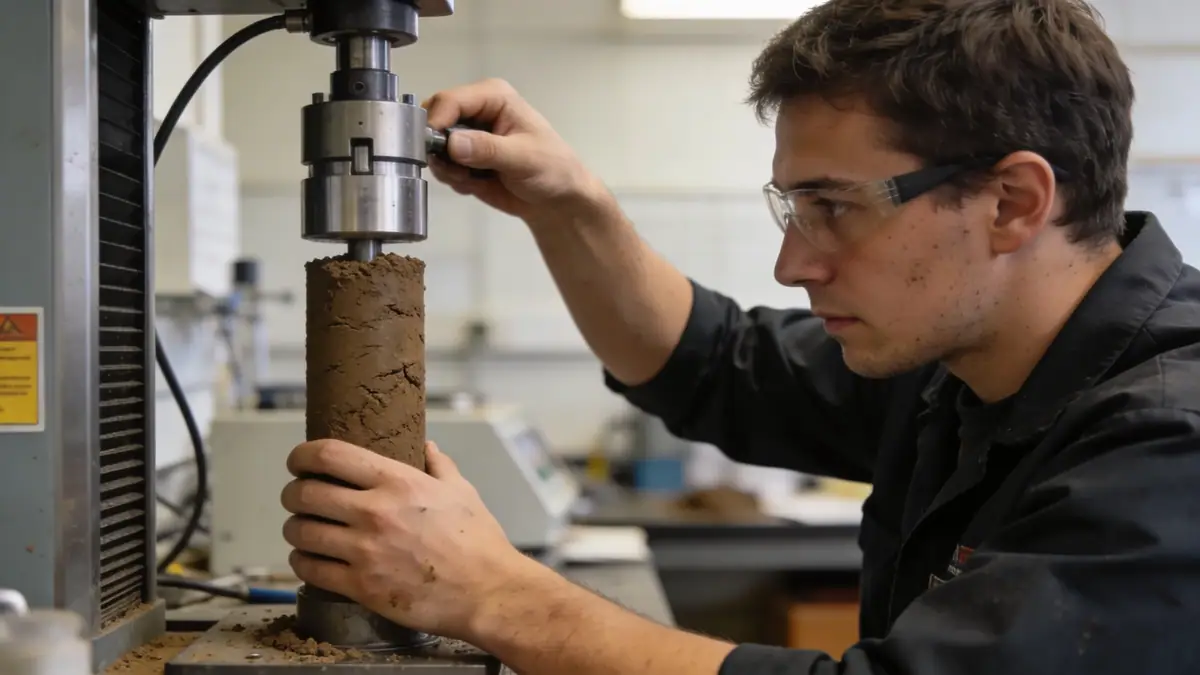
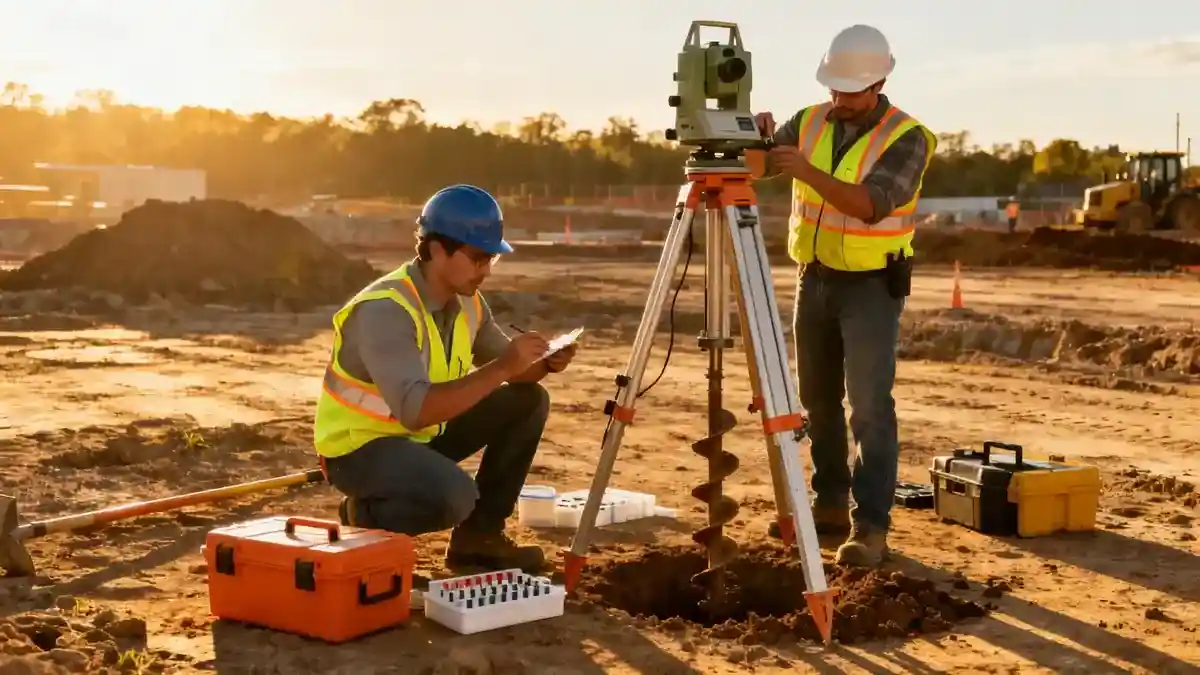
Our methodology for standard penetration testing in Jackson Mississippi adheres to ASTM D1586, utilizing a 63.5 kg hammer dropped 760 mm to drive a split-barrel sampler. We record blow counts (N-value) at 1.5 m intervals to characterize soil strata—typically silty sands, clays, and gravelly deposits common to the Mississippi Alluvial Plain. Our technicians ensure proper energy calibration and maintain detailed logs. For deeper profiles, we complement SPT with cone penetration test (cpt) to provide continuous stratigraphic data. All drilling is performed by licensed operators, and soil samples are preserved for laboratory classification. This integrated approach delivers robust geotechnical parameters for Jackson's varied subsurface conditions.
Reference Technical Parameters
| Parameter | Reference Value |
|---|---|
| Predominant soil type | Silty sands (SM) and lean clays (CL) overlying sands and gravels |
| Maximum seismic acceleration (PGA) | 0.20g to 0.30g per ASCE 7 (Seismic Design Category D) |
| Typical groundwater level | 2–6 m below ground surface |
| Bedrock depth | 30–60 m (Tertiary formations) |
| Typical N60 range | 5–15 (clays), 10–30 (sands), >40 (dense gravels) |
Local Considerations — Jackson Mississippi
Jackson's geology is dominated by Quaternary alluvium and Pleistocene terraces underlain by the Cockfield and Cook Mountain formations. Liquefaction potential is moderate in saturated loose sands, particularly near the Pearl River. Seismic design follows ASCE 7 with PGA up to 0.30g due to New Madrid activity. Groundwater is shallow (2–6 m) in low-lying areas, requiring dewatering considerations. Our team collaborates with local geotechnical engineers; for regional support, we also conduct standard penetration test en Houston where similar alluvial conditions prevail. Site-specific SPT programs are tailored to Jackson's variable soil stratigraphy and seismic demands.
Request a Quote
Our team reviews your project and issues an initial report at no cost.
Or write us directly at [email protected]
Services in Jackson Mississippi
Applicable Standards
- ASTM D1586 - Standard Test Method for Standard Penetration Test (SPT)
- ASCE 7 - Minimum Design Loads and Associated Criteria for Buildings and Other Structures
- ASTM D2487 - Classification of Soils for Engineering Purposes (Unified Soil Classification System)
- ASTM D4220 - Standard Practices for Preserving and Transporting Soil Samples
Frequently Asked Questions
What soil conditions are typical for Jackson Mississippi SPT projects?
Jackson's subsurface typically consists of silty sands, lean clays, and loose to medium dense sands overlying stiff clays and dense sands/gravels. SPT N-values range from 5 in soft clays to over 40 in dense granular layers. Groundwater is often encountered at 2–6 m depth, influencing liquefaction assessment.
Is standard penetration testing required for seismic design in Jackson?
Yes. ASCE 7 requires SPT-based site classification (Site Class A–F) for seismic design. Jackson falls in Seismic Design Category D due to New Madrid Seismic Zone influences. SPT N-values are used to compute shear wave velocity correlation and evaluate liquefaction potential.
How does Jackson's geology affect SPT results?
The alluvial and terrace deposits cause variable SPT N-values laterally and with depth. Presence of gravels or cemented layers can increase blow counts. Shallow groundwater may reduce N-values in loose sands. Our experience with these conditions ensures accurate interpretation for foundation design.