Methodology
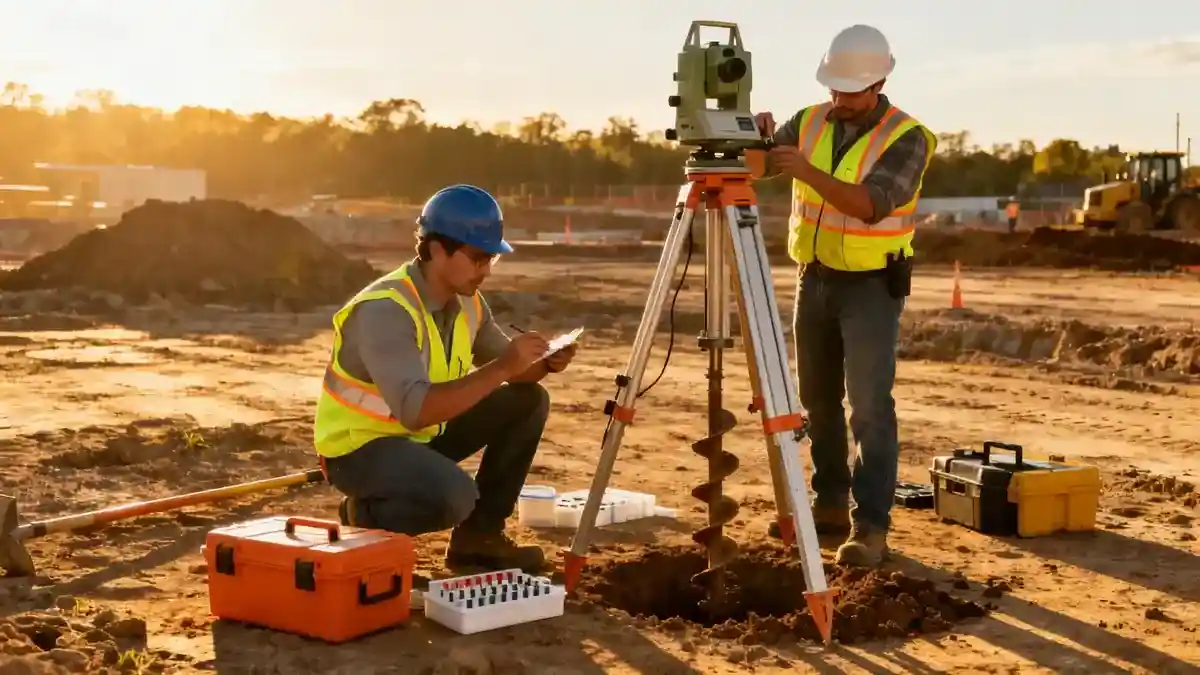
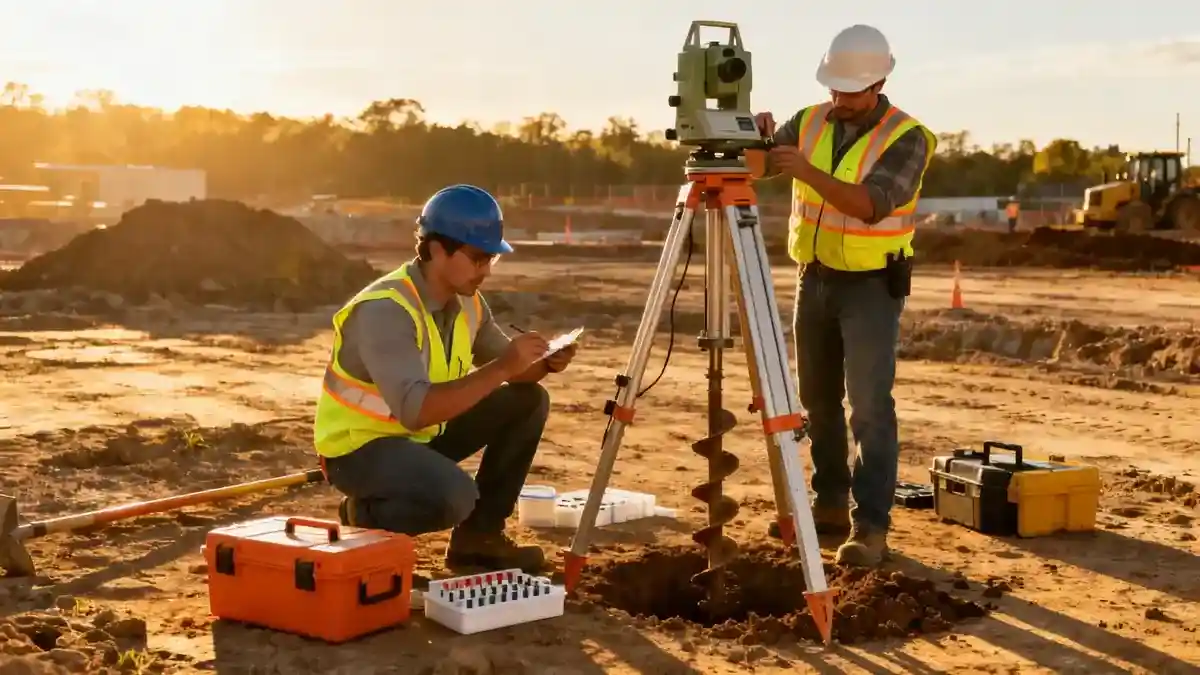
Our methodology for standard penetration test in Laredo follows ASTM D1586 procedures, employing automatic hammers and calibrated equipment to ensure consistent energy delivery. Boreholes are advanced to depths of 8–15 meters for typical residential projects, with deeper investigations up to 30 meters for industrial structures. Sampling intervals are maintained at 1.5 meters, with continuous core recovery in cohesive strata. Field data is supplemented by laboratory testing for moisture content, grain size distribution, and Atterberg limits. For additional insights, we also offer standard penetration test (spt) as part of integrated geotechnical programs.
Reference Technical Parameters
| Parameter | Reference Value |
|---|---|
| Predominant Soil Type | Silty sands and clays (SM, CL) with gravel lenses |
| Maximum Seismic Acceleration (PGA) | 0.12g (ASCE 7-16, Site Class D) |
| Typical Groundwater Level | 3–6 meters below surface (varies seasonally) |
| Bedrock Depth | >30 meters (Eocene claystone at depth) |
| Typical N60 Range | 5–15 blows/ft (alluvium); 20–40 blows/ft (older terrace deposits) |
Local Considerations — Laredo
Laredo's geology is dominated by Quaternary alluvium from the Rio Grande, consisting of interbedded silty sands, clays, and gravels. Groundwater levels fluctuate with river stage, typically encountered between 3–6 meters. Seismic hazard is moderate, with a PGA of 0.12g per ASCE 7-16, requiring Site Class D assessments for most projects. Contrasting conditions exist between the floodplain (low N60 values, high liquefaction potential) and older terrace deposits (stiffer soils). Typical challenges include shallow groundwater and variable fill materials. For comprehensive evaluations, our cone penetration test (cpt) provides continuous profiling in these complex strata. Our team's familiarity with local conditions ensures efficient field programs and reliable data for foundation design.
Request a Quote
Our team reviews your project and issues an initial report at no cost.
Or write us directly at [email protected]
Services in Laredo
Applicable Standards
- ASTM D1586
- ASCE 7-16
- IBC 2021
- City of Laredo Unified Development Code (Chapter 26)
Frequently Asked Questions
What soil types are commonly encountered in Laredo?
Laredo's subsurface primarily consists of Quaternary alluvium: silty sands (SM), low-plasticity clays (CL), and occasional gravel layers. Older terrace deposits to the east provide stiffer soils with higher N60 values. Groundwater is shallow in the floodplain, influencing foundation design.
What seismic design criteria apply in Laredo?
Per ASCE 7-16, Laredo falls under Seismic Design Category B with a PGA of 0.12g. Site Class D is typical for alluvial soils. The City of Laredo adopts the IBC 2021, requiring site-specific response spectra for structures with occupancy categories III and IV.
When is a standard penetration test required in Laredo?
SPT is mandatory for commercial buildings over three stories, critical infrastructure, and any project on sites with suspected fill or high water table. The City of Laredo's Unified Development Code requires geotechnical reports for most new construction, with SPT as the primary method for soil strength and liquefaction assessment.