
Methodology
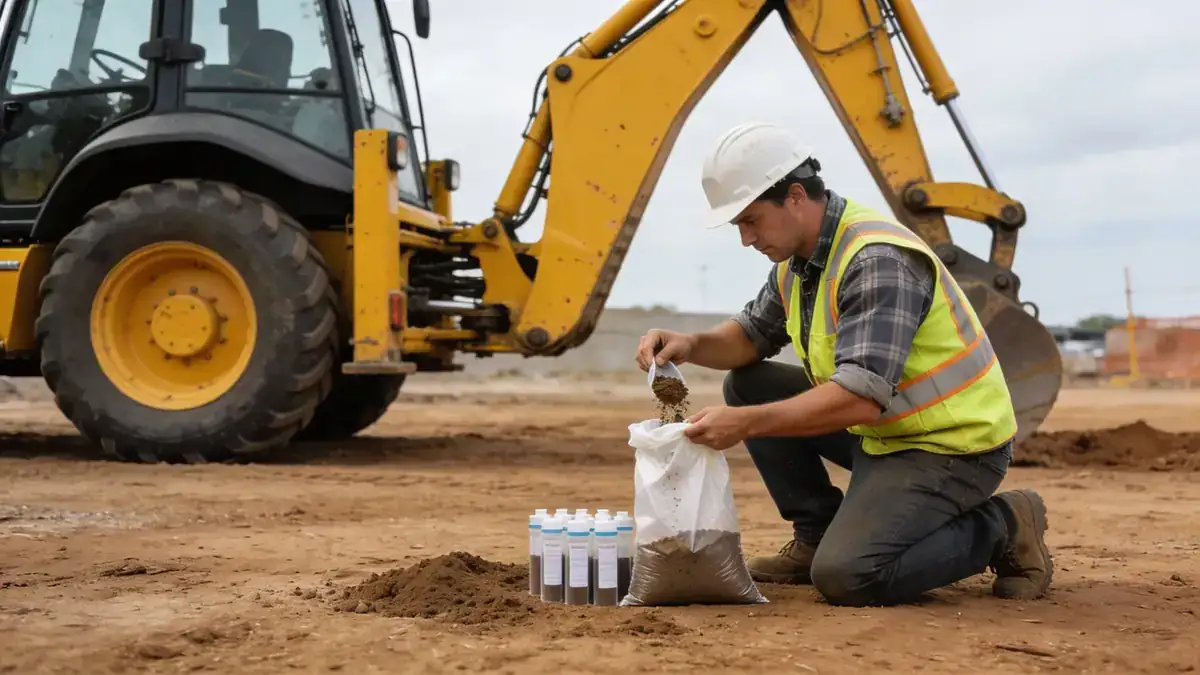
Our methodology for standard penetration test (spt) in Corpus Christi follows ASTM D1586, employing a 63.5 kg hammer dropped 760 mm to drive a split-spoon sampler. We record blow counts per 150 mm increment, with N-values corrected for energy efficiency and overburden pressure. Sampling intervals are typically 1.5 m, extending to depths of 15-30 m depending on project requirements. Our certified technicians ensure consistent procedures, and we provide detailed logs with soil classification per the Unified Soil Classification System. For further details on our approach, see our standard penetration test (spt) page.
Reference Technical Parameters
| Parameter | Reference Value |
|---|---|
| Predominant soil type | Clay, silt, and sand (Holocene alluvium) |
| Maximum seismic acceleration (PGA) | 0.15g (ASCE 7-16, Site Class D) |
| Typical groundwater level | 1.5–3.0 m below ground surface |
| Bedrock depth | Variable; typically 30–60 m (Gueydan Formation) |
| Typical N60 range | 5–15 in clays; 15–30 in sands |
Local Considerations — Corpus Christi
Corpus Christi's coastal geology features soft Holocene clays and loose sands, often with high moisture content and shallow groundwater (1.5–3.0 m). Seismic site classification per ASCE 7 typically yields Site Class D or E, requiring site-specific response analysis. The city falls within Seismic Design Category C, with a PGA of 0.15g. Older downtown areas may have undocumented fills, while newer developments near Oso Bay encounter compressible clays. Our team integrates these factors into every investigation, referencing data from our cone penetration test (cpt) services for continuous profiling. We also coordinate with our standard penetration test en Houston team for regional consistency.
Request a Quote
Our team reviews your project and issues an initial report at no cost.
Or write us directly at [email protected]
Services in Corpus Christi
Applicable Standards
- ASTM D1586
- ASCE 7
- IBC 2021
- Texas Administrative Code (TAC) Chapter 61
Frequently Asked Questions
What soil conditions are typical for standard penetration test in Corpus Christi?
Corpus Christi soils consist mainly of Holocene alluvium: soft clays, silts, and loose sands. Groundwater is shallow, often at 1.5–3.0 m. SPT N60 values range from 5–15 in clays and 15–30 in sands, requiring careful correction for fines content and energy efficiency.
Which seismic codes apply to standard penetration test in Corpus Christi?
ASCE 7-16 governs seismic design, with Corpus Christi in Seismic Design Category C. Site classification (typically D or E) requires SPT-based shear wave velocity correlations. The city's PGA is 0.15g, necessitating site-specific response analysis for critical structures.
Is a standard penetration test mandatory for construction in Corpus Christi?
Yes, for most commercial and multi-family projects. The Texas Administrative Code and local building officials require subsurface investigations per ASTM D1586 to verify bearing capacity, settlement, and seismic site class. Single-family homes may require only a geotechnical letter.