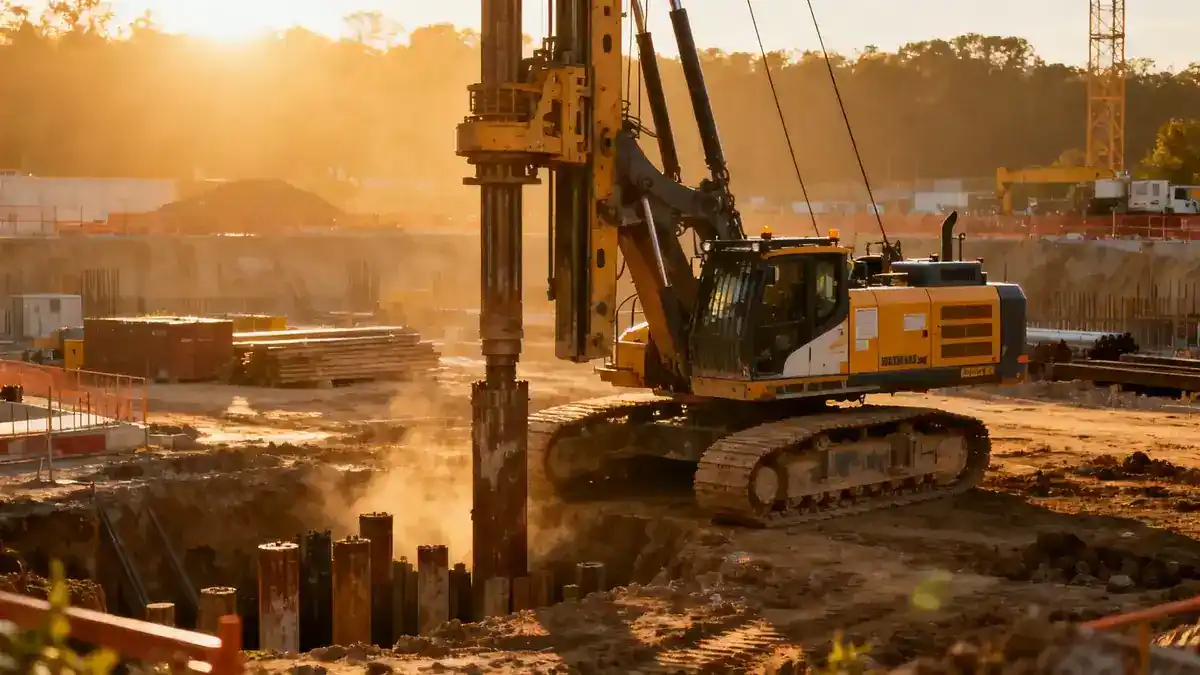
Methodology
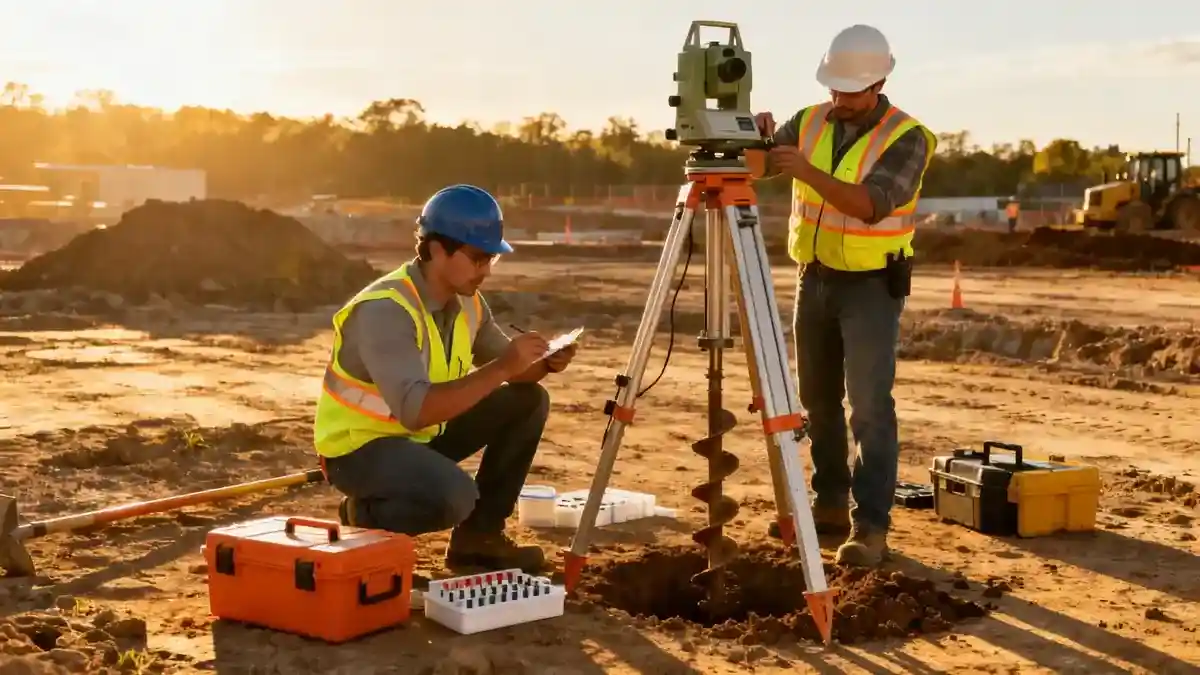
Our methodology for standard penetration test in Little Rock adheres strictly to ASTM D1586, employing a 63.5 kg hammer with a 0.76 m drop to drive a split-spoon sampler. We conduct SPT at intervals of 1.0 to 1.5 m to depths of 15 m for typical residential projects and up to 30 m for industrial structures. The N-value is corrected for overburden (N60) and energy efficiency, providing consistent data for liquefaction assessment and bearing capacity analysis. Our team also integrates cone penetration test (cpt) and other in-situ methods to complement SPT results, ensuring comprehensive geotechnical profiles for Little Rock's diverse soil conditions.
Reference Technical Parameters
| Parameter | Reference Value |
|---|---|
| Predominant soil type | Alluvial silty clays and sands (Holocene) |
| Maximum seismic acceleration (PGA) | 0.2–0.5 g (New Madrid Seismic Zone) |
| Typical groundwater level | 1.5–4.5 m below grade |
| Bedrock depth | 15–30 m (Arkansas Novaculite) |
| Typical N60 range | 5–30 blows/0.3 m (variable) |
Local Considerations — Little Rock
Little Rock's geology is dominated by Quaternary alluvium from the Arkansas River, underlain by Tertiary clays and Cretaceous formations. The shallow groundwater table (1.5–4.5 m) influences excavation and foundation design, often requiring dewatering or deep foundations. Seismic hazard from the New Madrid Seismic Zone mandates site-specific response analysis per ASCE 7, with peak ground accelerations up to 0.5 g. Local conditions vary between the downtown riverfront (soft alluvium) and the western hills (stiffer residual soils). Our team has extensive experience with dpsh dynamic probing for rapid profiling in these settings. For regional operations, we coordinate with standard penetration test en Houston to ensure consistent quality across projects.
Request a Quote
Our team reviews your project and issues an initial report at no cost.
Or write us directly at [email protected]
Services in Little Rock
Applicable Standards
- ASTM D1586
- ASCE 7-22
- IBC 2021
- Arkansas State Building Code
- FHWA NHI-01-031
Frequently Asked Questions
What soil types are commonly encountered during standard penetration test in Little Rock?
Soils are predominantly alluvial silty clays and sands from the Arkansas River, with occasional gravel layers. Residual soils from weathered shale and sandstone appear in elevated areas. N-values typically range from 5 to 30, but soft clays can yield values below 5.
How does seismic hazard affect standard penetration test requirements in Little Rock?
Little Rock lies in the New Madrid Seismic Zone, requiring site-specific seismic evaluations per ASCE 7. SPT data is used to assess liquefaction potential and determine site class (A–F). Peak ground accelerations of 0.2–0.5 g are typical, influencing foundation design and depth of investigation.
Is standard penetration test mandatory for residential projects in Little Rock?
While not always mandatory for single-family homes, SPT is strongly recommended for sites with shallow groundwater or high seismic risk. Local building officials may require geotechnical reports for multi-story structures, and many lenders mandate SPT for loan approval.