Methodology
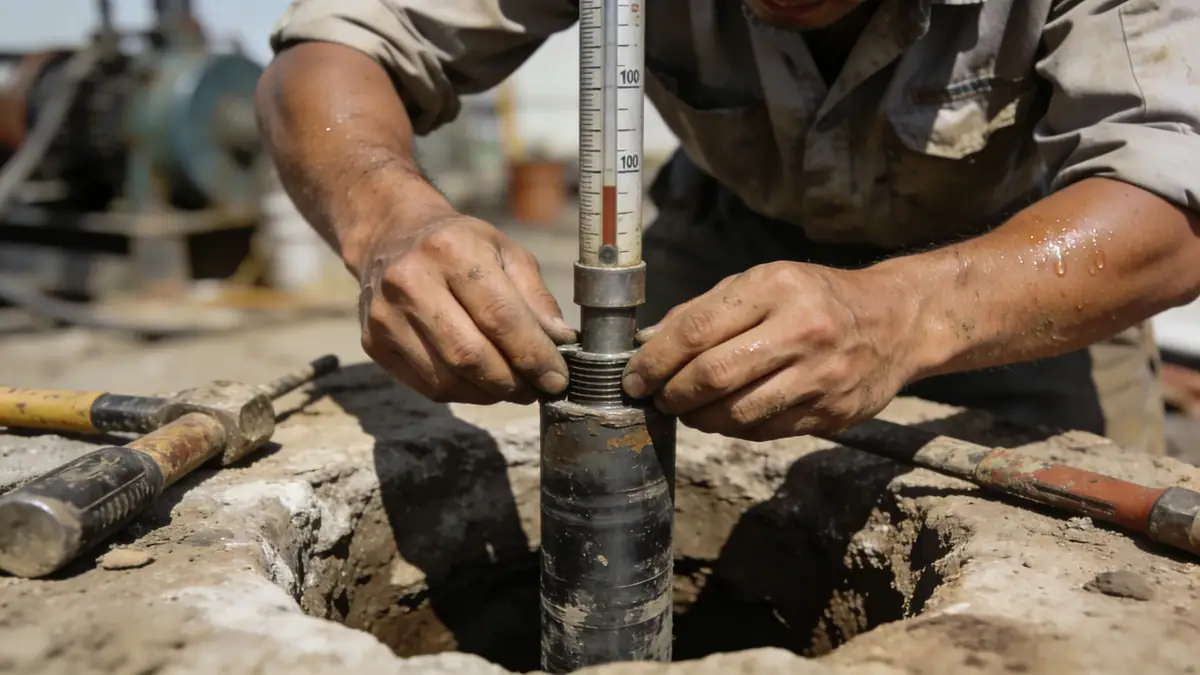
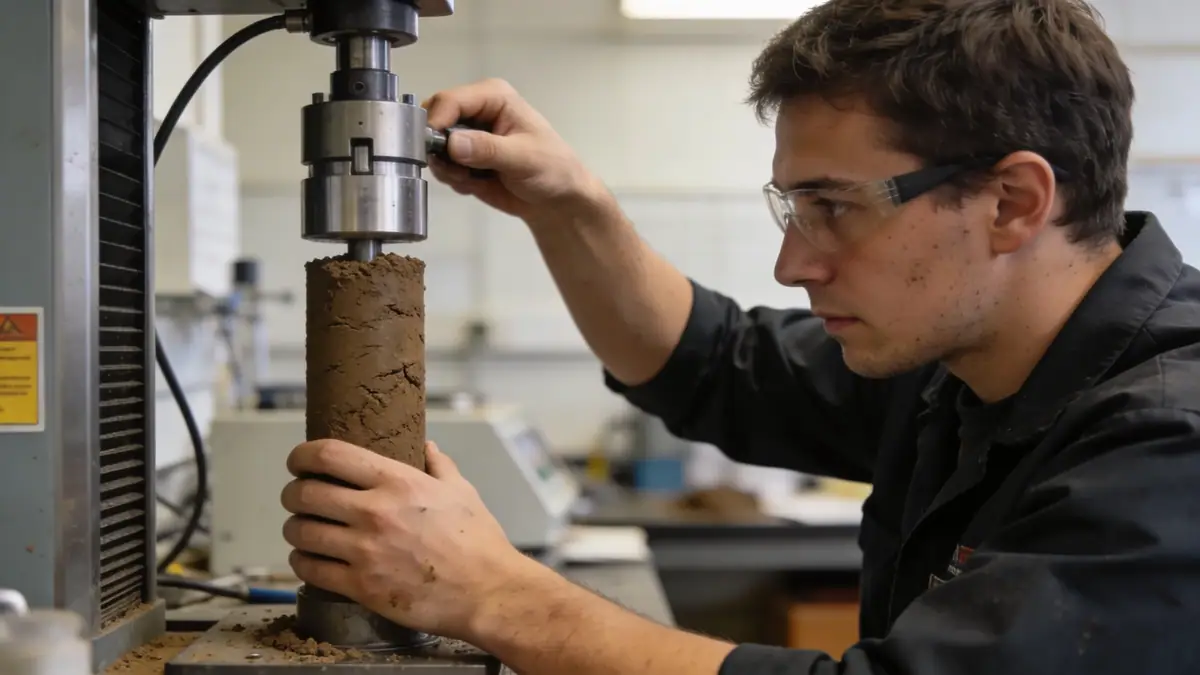
Our methodology for standard penetration testing in Brownsville Texas follows ASTM D1586 guidelines, using a 63.5 kg hammer dropped 760 mm to drive a split-barrel sampler. We record blow counts per 150 mm interval, with N-values corrected for overburden and energy efficiency (N60). Sampling intervals are typically 1.5 m, with continuous sampling in critical zones. This approach characterizes the alluvial sands, silts, and clays common to the Rio Grande valley. For deeper investigations, we integrate our standard penetration test (spt) with complementary techniques to capture stratigraphic details. All data is reviewed by our geotechnical engineers to ensure reliability for foundation design in Brownsville's varied soil conditions.
Reference Technical Parameters
| Parameter | Reference Value |
|---|---|
| Predominant soil type | Alluvial sands, silts, and clays (Rio Grande floodplain) |
| Maximum seismic acceleration (PGA) | 0.10–0.15 g (ASCE 7-16, Site Class D) |
| Typical groundwater level | 1.5–4.5 m below surface (seasonal variation up to 2 m) |
| Bedrock depth | >50 m (deep sedimentary basin, no bedrock within typical investigation depths) |
| Typical N60 range | 4–25 blows/300 mm (loose to medium dense sands; soft to firm clays) |
Local Considerations — Brownsville Texas
Brownsville's geology is dominated by Holocene alluvial deposits from the Rio Grande, creating a stratified profile of sands, silts, and clays with variable density and consistency. The shallow groundwater table, typically 1.5–4.5 m deep, necessitates dewatering considerations for excavations and can reduce bearing capacity in fine-grained soils. Seismic hazard, per ASCE 7-16, places Brownsville in a moderate seismic zone with peak ground accelerations of 0.10–0.15 g, requiring site-specific response analysis for critical structures. Local experience shows that downtown areas near the river have deeper soft clay layers, while eastern sectors exhibit denser sands at shallower depths. Standard Penetration Test's familiarity with these conditions ensures accurate characterization. For projects requiring broader regional support, our standard penetration test en Houston office provides additional capacity and expertise.
Request a Quote
Our team reviews your project and issues an initial report at no cost.
Or write us directly at [email protected]
Services in Brownsville Texas
Applicable Standards
- ASTM D1586
- ASCE 7-16
- IBC 2021
- City of Brownsville Building Code
- TxDOT Geotechnical Manual
Frequently Asked Questions
What soil types are commonly found in Brownsville Texas?
Brownsville's subsurface consists primarily of Rio Grande alluvial deposits: loose to medium dense silty sands, soft to firm clays, and occasional silt layers. The soil profile varies laterally, with downtown areas showing thicker clay strata and eastern parts having denser sands near the surface.
How does seismic design apply to standard penetration testing in Brownsville?
Per ASCE 7-16, Brownsville falls in Seismic Design Category B with PGA of 0.10–0.15 g. Standard penetration tests provide N-values essential for evaluating liquefaction potential and site class (typically D). This data informs seismic coefficients for foundation design in compliance with IBC 2021.
Are geotechnical studies mandatory for construction in Brownsville?
The City of Brownsville Building Code requires a geotechnical report for most commercial and multi-family structures. Residential projects often require soil testing for slab-on-grade or deep foundations. Local lenders and insurers may also mandate subsurface investigations for property transactions.