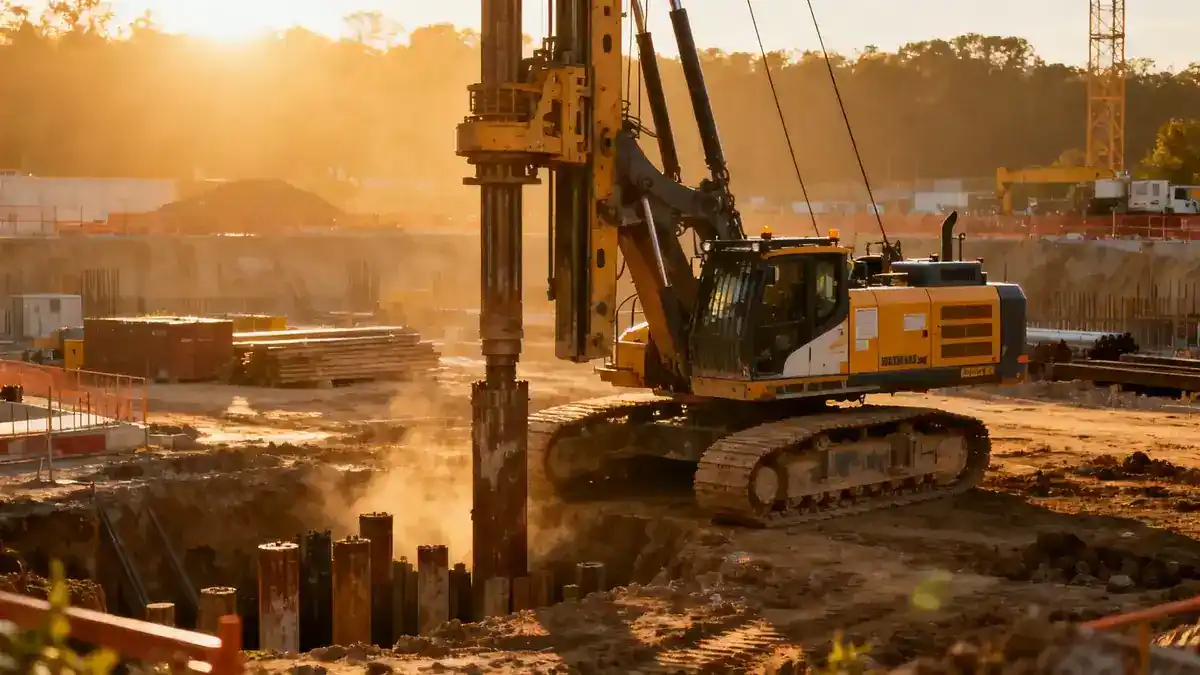
Methodology
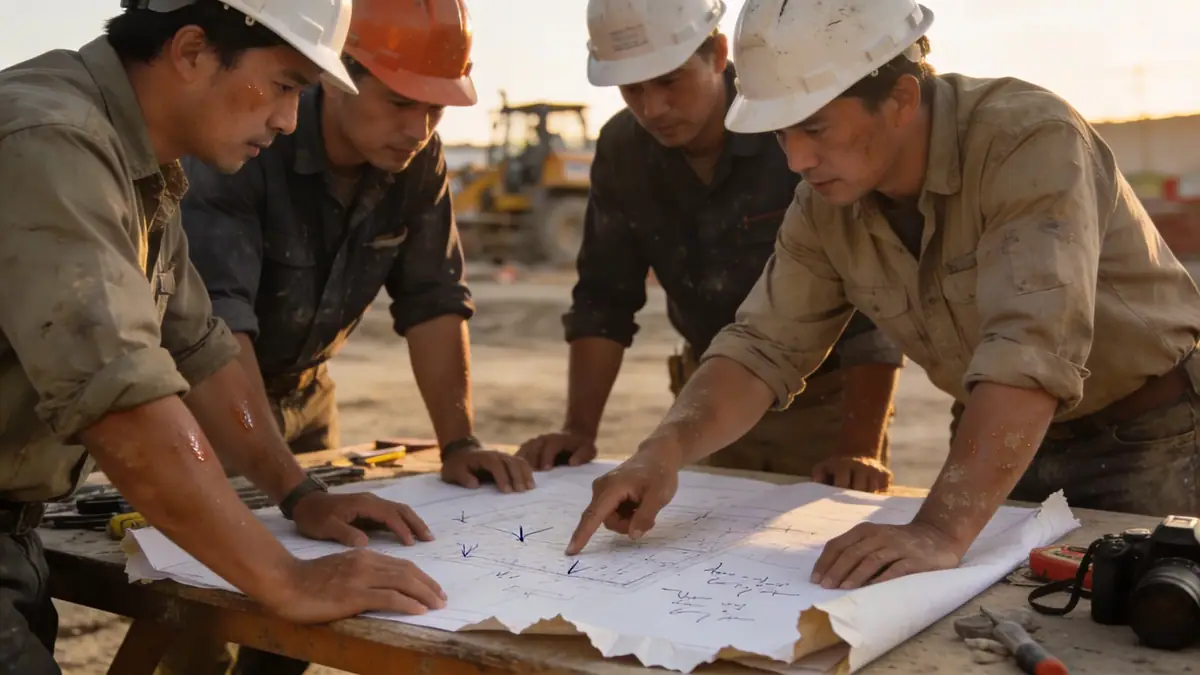
Our methodology for standard penetration test in Dallas adheres strictly to ASTM D1586, employing a 63.5 kg hammer dropped 760 mm to drive a split-spoon sampler. We record blow counts per 150 mm interval and calculate N60 values corrected for hammer efficiency and rod length. In cohesive soils, we retrieve undisturbed samples for laboratory testing; in granular soils, we obtain disturbed samples for classification. Our field technicians calibrate equipment daily and log all data digitally. For deeper investigations, we complement SPT with cone penetration test (cpt) to capture continuous stratigraphic profiles.
Reference Technical Parameters
| Parameter | Reference Value |
|---|---|
| Predominant soil type | Expansive clay (Vertisols) and sandy alluvium |
| Typical groundwater depth | 3 to 10 meters below ground surface |
| Maximum seismic acceleration (PGA) | 0.05g to 0.10g per ASCE 7 |
| Bedrock depth | Variable; Austin Chalk encountered at 15–30 m in eastern areas |
| Typical N60 range | 5–15 in clay; 10–30 in sand |
Local Considerations — Dallas
Dallas' geology is dominated by Upper Cretaceous sedimentary formations, with expansive clays causing seasonal volume changes. The Eagle Ford Shale and Austin Chalk underlie much of the area, influencing foundation design. Seismic hazard is low but non-negligible, per ASCE 7, requiring site-specific response spectra. Groundwater levels fluctuate with rainfall and drainage. Our team adapts drilling methods accordingly, using mud rotary in caving sands and hollow-stem augers in stiff clays. For projects requiring broader subsurface coverage, we also offer dpsh dynamic probing to profile strength at shallow depths efficiently. Our experience extends regionally; see our standard penetration test services in Houston for comparative insights.
Request a Quote
Our team reviews your project and issues an initial report at no cost.
Or write us directly at [email protected]
Services in Dallas
Applicable Standards
- ASTM D1586
- ASCE 7
- IBC 2021
- City of Dallas Building Code
- Texas Administrative Code
Frequently Asked Questions
What soil conditions are typical for standard penetration test in Dallas?
Dallas soils range from high-plasticity clays (CH) to silty sands (SM). Expansive clays dominate the northern suburbs, while alluvial sands and gravels occur along the Trinity River. N60 values in clays typically range from 5 to 15, and in sands from 10 to 30, requiring careful correction for hammer energy.
Does Dallas have seismic design requirements for geotechnical investigations?
Yes, per ASCE 7 and the IBC, Dallas is in Seismic Design Category B or C, with PGA up to 0.10g. Site classification based on N60 or shear wave velocity is required. Our SPT program includes energy measurements to provide accurate N60 values for site response analysis.
Are geotechnical studies mandatory for construction in Dallas?
While not always legally mandated for all projects, most municipalities in the Dallas-Fort Worth metroplex require a geotechnical report for building permits, especially for commercial or multi-story structures. Lenders and insurers also often mandate subsurface investigations to manage risk.