Methodology
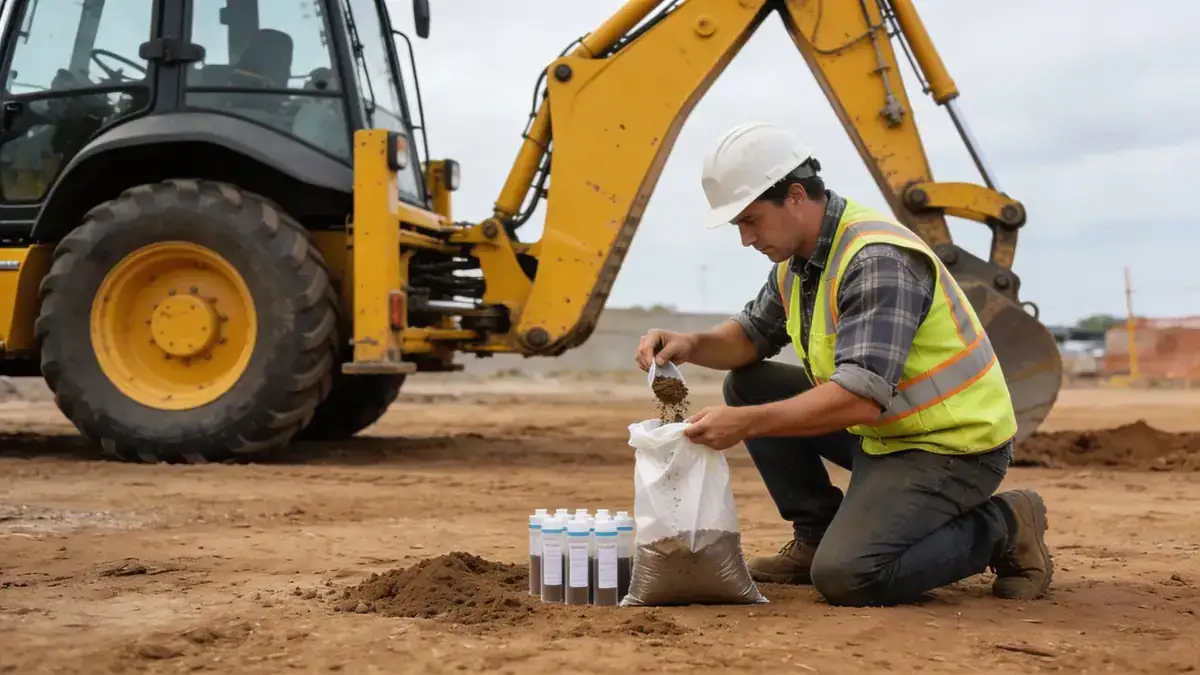
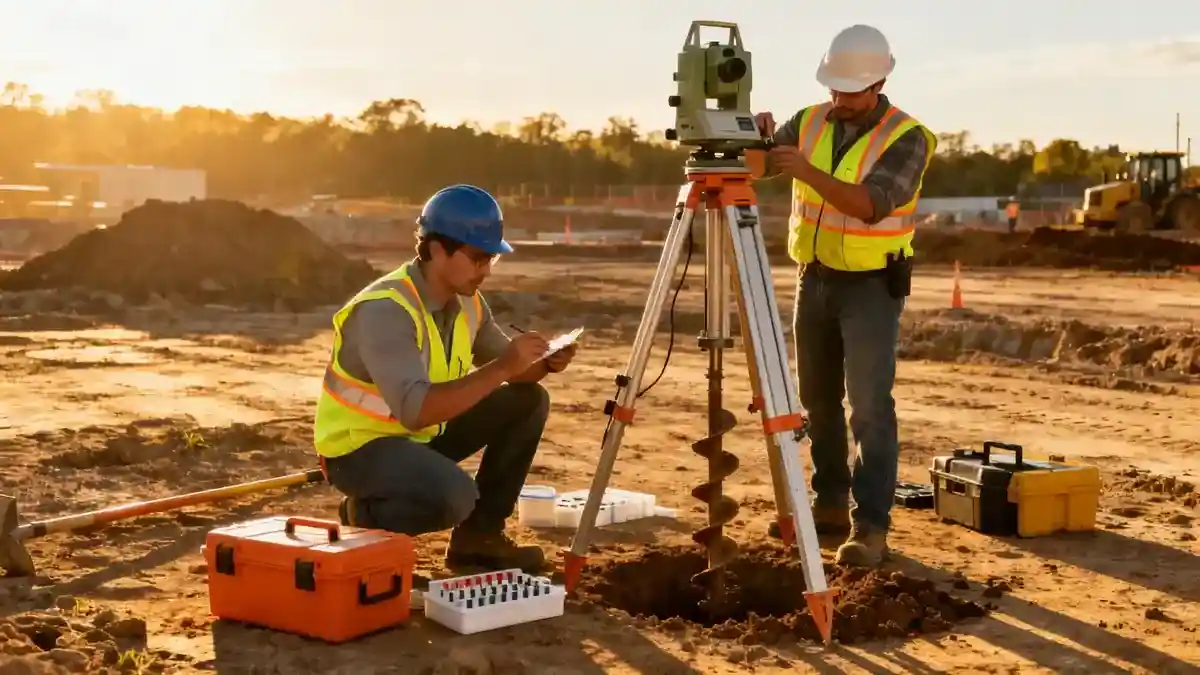
Our methodology for standard penetration testing in Tulsa follows ASTM D1586, with a 63.5 kg hammer dropped 0.76 m to drive a split-barrel sampler. We typically sample at 1.5 m intervals to a depth of 15 m, though deeper borings are performed for heavy structures. The recovered samples are logged for soil type, moisture, and consistency. For soft clays or loose sands, we may supplement with cone penetration test (cpt) to obtain continuous profiles. All fieldwork is supervised by experienced geologists, and data is analyzed to determine bearing capacity, settlement, and liquefaction potential per IBC 2021 seismic criteria.
Reference Technical Parameters
| Parameter | Reference Value |
|---|---|
| Predominant soil type | Clay (Hennessey Formation), with interbedded sands and silts |
| Maximum seismic acceleration (PGA) | 0.10–0.15 g (IBC 2021 Site Class D) |
| Typical groundwater level | 3–10 m below grade, variable with season |
| Bedrock depth | 20–50 m (shale/sandstone of the Vanoss Formation) |
| Typical N60 range (clay) | 5–15 blows/ft (medium stiff to stiff) |
Local Considerations — Tulsa
Tulsa's geology is dominated by the Hennessey Group, which includes expansive clays prone to volume changes with moisture. This necessitates careful evaluation of swell potential and consolidation for slab-on-grade foundations. The Arkansas River corridor features alluvial sands and gravels with shallow groundwater, requiring dewatering considerations. Seismic hazard is moderate, with PGA values up to 0.15 g per IBC 2021. Our team is familiar with the variability across neighborhoods, from the dense clays of midtown to the sandy soils near the river. We also coordinate with local geotechnical firms for standard penetration test (spt) data integration. For projects requiring regional reference, our standard penetration test en Houston hub provides additional context for similar Gulf Coast conditions.
Request a Quote
Our team reviews your project and issues an initial report at no cost.
Or write us directly at [email protected]
Services in Tulsa
Applicable Standards
- ASTM D1586
- IBC 2021
- ASCE 7-16
- Oklahoma Department of Transportation (ODOT) specifications
Frequently Asked Questions
What soils are commonly encountered during standard penetration testing in Tulsa?
Tulsa's subsurface is primarily clay from the Hennessey Formation, often with interbedded sand lenses. These clays are typically medium stiff to stiff, with N60 values from 5 to 15 blows/ft. Alluvial deposits near the Arkansas River consist of sands and gravels with higher blow counts.
How does seismic design apply to standard penetration test results in Tulsa?
Per IBC 2021, Tulsa is in Seismic Design Category B or C, with PGA around 0.10–0.15 g. SPT N-values are used to assess liquefaction potential in sandy layers and to determine site class. Our reports include seismic parameters for foundation design.
Is standard penetration testing mandatory for building permits in Tulsa?
While not always mandatory for small residential projects, the City of Tulsa and many counties require geotechnical investigations for commercial or multi-story structures. SPT is the preferred method to obtain soil strength and settlement parameters for foundation design.