
Methodology
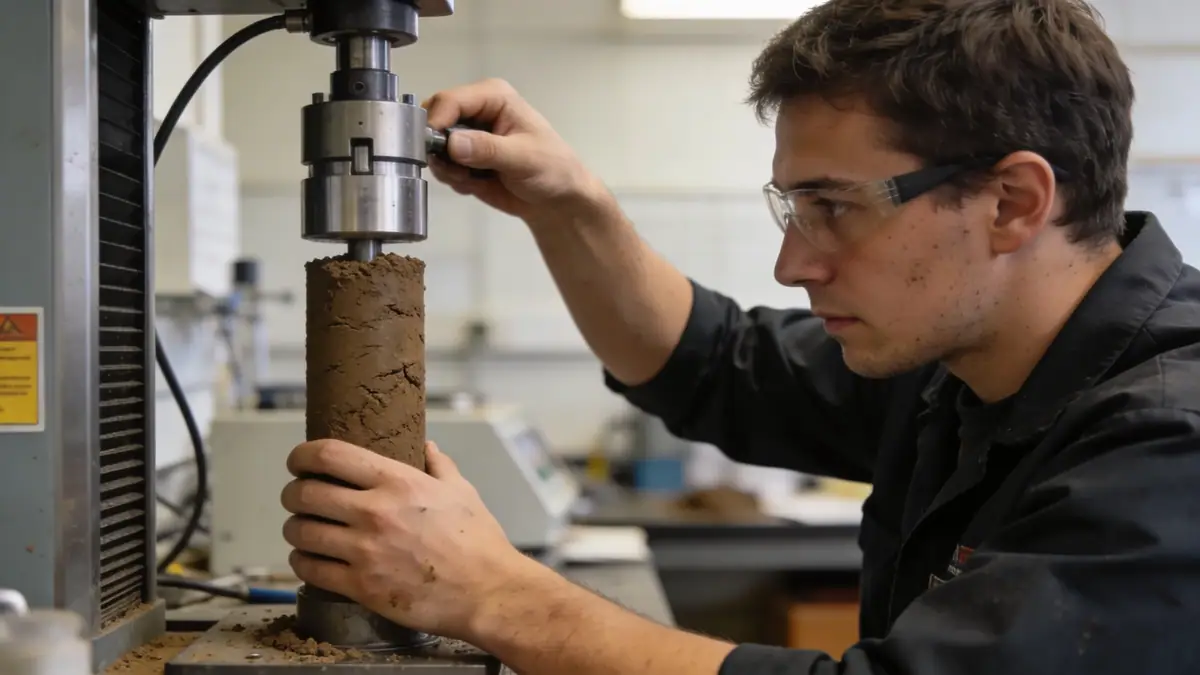
Our methodology for standard penetration testing in New Orleans follows ASTM D1586 procedures, with continuous sampling at intervals of 1.0 to 1.5 meters to capture soil stratification. Given the area's high water table, we employ specialized casing and drilling fluid techniques to maintain borehole stability. Energy measurements are routinely calibrated to ensure N60 values accurately reflect soil resistance. For comprehensive site characterization, we integrate SPT data with cone penetration test (CPT) profiles, as detailed on our cone penetration test (cpt) page. This dual approach allows us to correlate blow counts with continuous cone resistance, enhancing reliability for liquefaction assessments and settlement analyses.
Reference Technical Parameters
| Parameter | Reference Value |
|---|---|
| Predominant soil type | Soft clay and silt (Mississippi River alluvium) |
| Maximum seismic acceleration (PGA) | 0.15–0.20 g (ASCE 7-16, Site Class D/E) |
| Typical groundwater level | 1.0–2.5 m below ground surface |
| Bedrock depth | 200–300 m (deep sedimentary basin) |
| Typical N60 range | 2–15 blows/ft (soft to medium stiff) |
Local Considerations — New Orleans
New Orleans' geology is dominated by soft Holocene alluvial deposits, with high plasticity clays and organic silts extending to depths of 30–50 m. The shallow water table (1–2 m) complicates excavation and requires careful dewatering plans. Seismic design follows ASCE 7-16 with Site Class D or E, demanding rigorous liquefaction potential evaluations using SPT and CPT data. Neighborhoods like Gentilly and the Lower Ninth Ward often exhibit thicker marsh deposits, while the French Quarter benefits from slightly denser natural levees. For regional coordination, our team leverages resources from our standard penetration test en Houston hub.
Request a Quote
Our team reviews your project and issues an initial report at no cost.
Or write us directly at [email protected]
Services in New Orleans
Applicable Standards
- ASTM D1586
- ASCE 7-16
- IBC 2021
- Louisiana State Uniform Construction Code
Frequently Asked Questions
Why is standard penetration testing critical for foundation design in New Orleans?
The soft alluvial soils and high water table necessitate accurate bearing capacity and settlement estimates. SPT provides N60 values essential for designing deep foundations (piles) and evaluating liquefaction potential under seismic loads.
What seismic zone is New Orleans in, and how does SPT help?
New Orleans is in ASCE 7 Seismic Design Category D, with peak ground accelerations up to 0.20 g. SPT data is used to assess soil liquefaction susceptibility through simplified procedures (e.g., Boulanger & Idriss), guiding ground improvement or foundation type selection.
Are geotechnical investigations mandatory for construction in New Orleans?
Yes, the Louisiana State Uniform Construction Code requires a geotechnical report for most structures. Standard penetration testing is the primary method to characterize soil profiles and provide parameters for foundation design, especially in areas with soft clays and fill.