Methodology

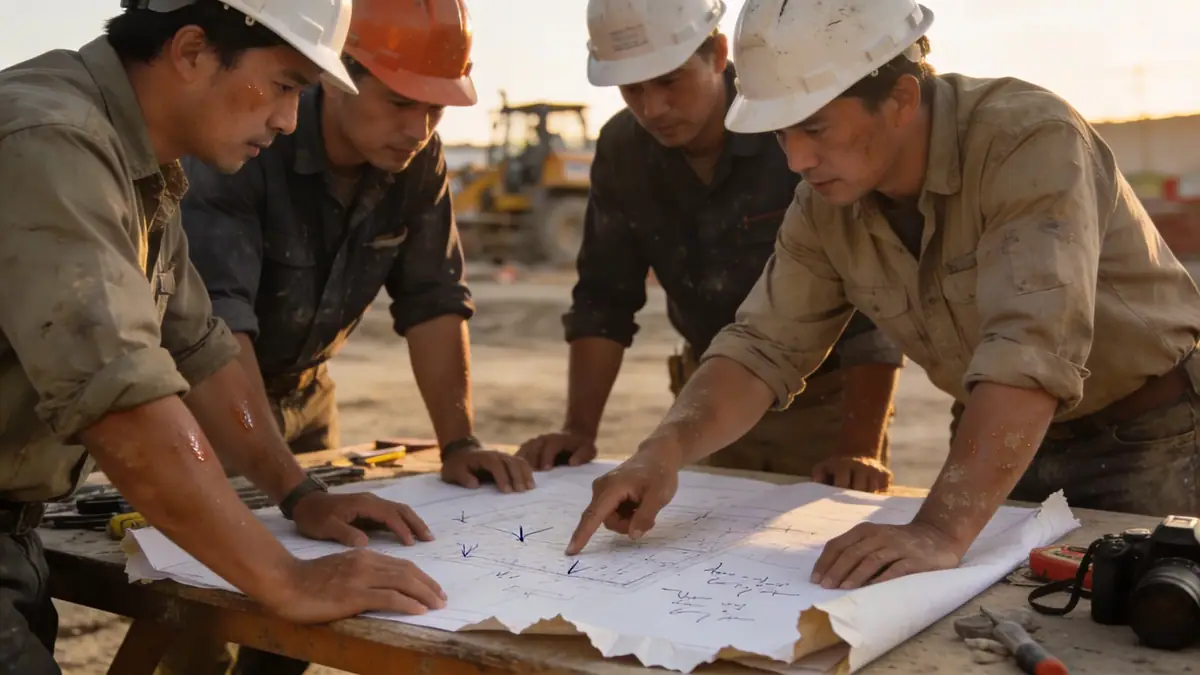
Our methodology for standard penetration test (SPT) in Irving follows ASTM D1586, with boreholes advanced using rotary or auger drilling. We record blow counts (N-value) at 1.5-meter intervals, recovering split-spoon samples for classification and laboratory testing. For sites near the Trinity River, we extend borings to 15-20 meters to assess loose alluvial sands and clay lenses. Our approach integrates standard penetration test (spt) data with seismic hazard analysis per ASCE 7, enabling evaluation of liquefaction susceptibility. We also correlate SPT results with cone penetration test (CPT) where continuous profiling is beneficial. All field operations are supervised by licensed geotechnical engineers, with data reviewed for consistency with regional geology.
Reference Technical Parameters
| Parameter | Reference Value |
|---|---|
| Predominant soil type | Alluvial sands, silty clays, and gravels |
| Maximum seismic acceleration (PGA) | 0.15g to 0.25g (ASCE 7-16, Site Class D) |
| Typical groundwater level | 3 to 8 meters below ground surface |
| Bedrock depth | Variable, >30 meters in most areas |
| Typical N60 range | 5 to 30 blows/0.3m (sands and clays) |
Local Considerations — Irving
Irving's geology is dominated by Quaternary alluvium of the Trinity River, with interbedded sands, silts, and clays. Near the river, loose sands can pose liquefaction risks during seismic events. Groundwater levels are shallow (3-8 m), requiring dewatering considerations for excavations. The city's location within the Dallas-Fort Worth metroplex means variable fill and compressible clay layers from past development. Our firm has extensive experience in Irving, conducting SPT for projects ranging from high-rise foundations to highway embankments. For regional context, we also offer standard penetration test en Houston services, where Gulf Coast geology presents similar challenges.
Request a Quote
Our team reviews your project and issues an initial report at no cost.
Or write us directly at [email protected]
Services in Irving
Applicable Standards
- ASTM D1586
- ASCE 7-16
- International Building Code (IBC) 2021
- City of Irving Geotechnical Investigation Guidelines
Frequently Asked Questions
What soil conditions are typical for standard penetration test in Irving?
Irving soils consist mainly of alluvial sands, silty clays, and gravels from the Trinity River floodplain. SPT is used to evaluate bearing capacity and liquefaction potential, especially where loose sands are present.
Does Irving's seismic code require SPT for new construction?
Yes, per ASCE 7-16, Irving is in Seismic Design Category C to D. Geotechnical investigations including SPT are required to determine site class and liquefaction risk for commercial and multi-family projects.
When is a standard penetration test mandatory in Irving?
The City of Irving requires geotechnical reports for most building permits, especially for structures over 3 stories or in areas with known fill. SPT is the primary method for subsurface characterization.