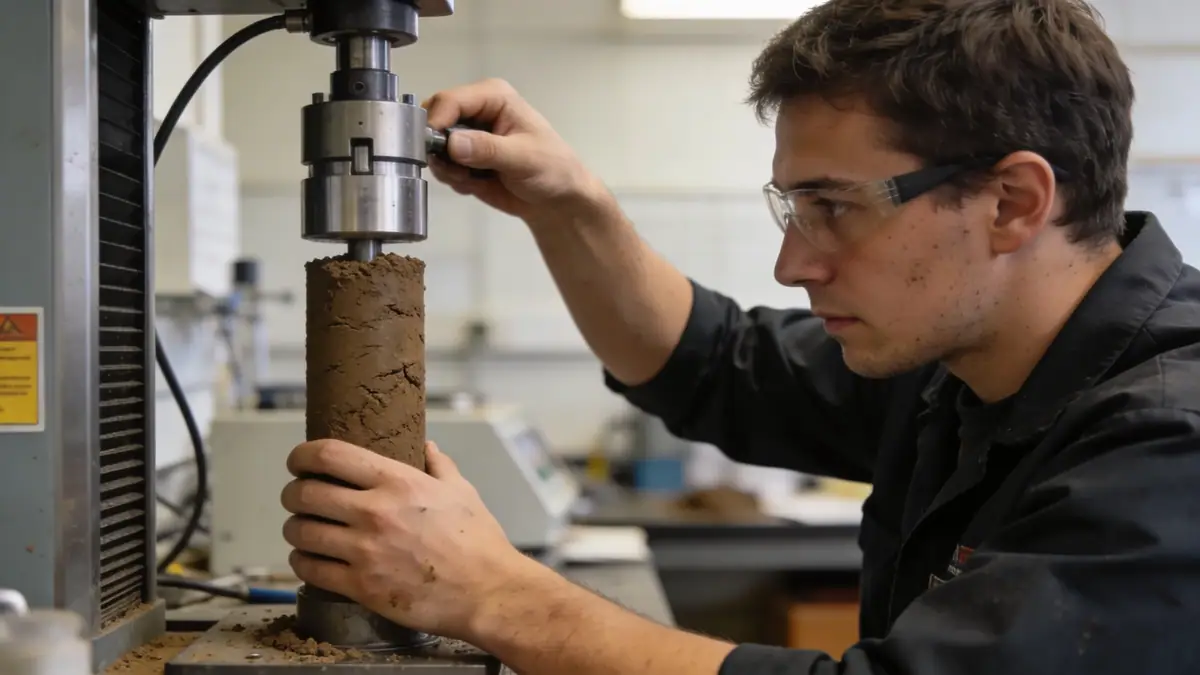
Methodology
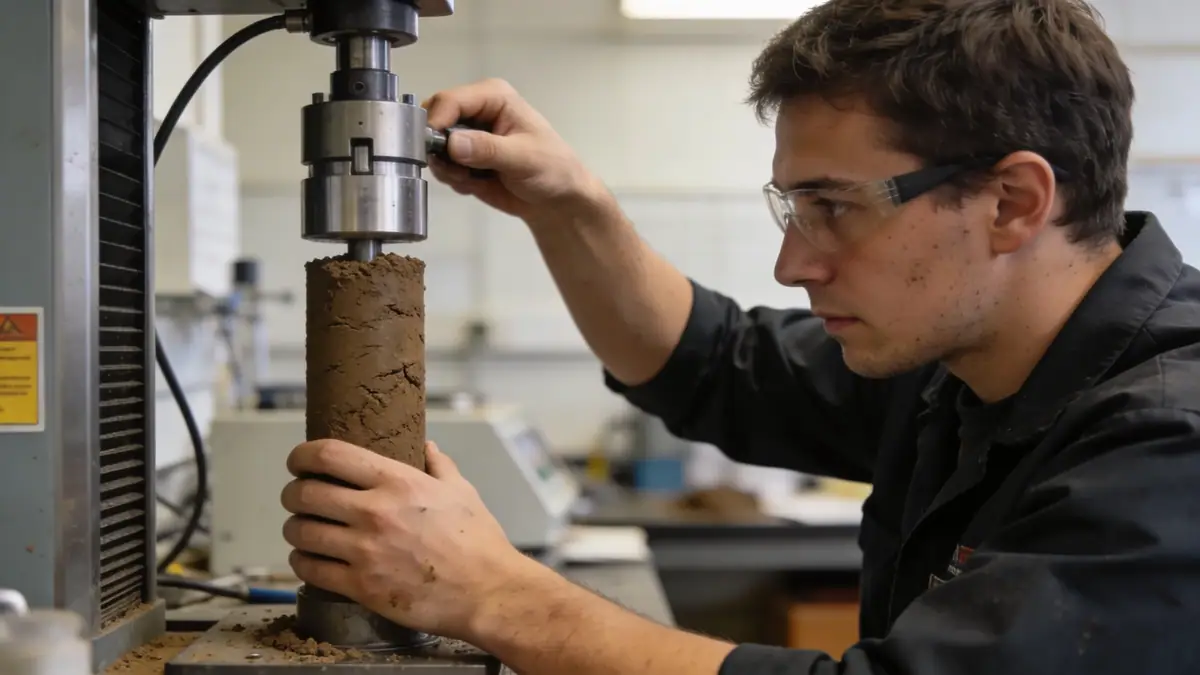
Our standard penetration test methodology in Cincinnati follows ASTM D1586, using a 63.5 kg hammer with a 760 mm drop to drive a split-barrel sampler. We record blow counts per 150 mm interval (N-value) and retrieve disturbed samples for classification. Testing is typically performed at 1.5 m intervals to 15 m depth, or to refusal on bedrock. For deeper investigations, we integrate cone penetration test (cpt) for continuous profiling. All equipment is calibrated annually, and field data is reviewed by a senior geotechnical engineer.
Reference Technical Parameters
| Parameter | Reference Value |
|---|---|
| Predominant soil type | Glacial till (silty clay with gravel) and alluvial deposits (sand, silt, clay) |
| Maximum seismic acceleration (PGA) | 0.15g (ASCE 7-16, Site Class C) |
| Typical groundwater level | 3 to 8 m below surface, varies seasonally |
| Bedrock depth | 10 to 30 m (Ordovician shales and limestones) |
| Typical N60 range | 5 to 30 blows/300 mm (glacial till); 10 to 50 blows/300 mm (alluvial sands) |
Local Considerations — Cincinnati
Cincinnati's subsurface is dominated by glacial till from the Wisconsinan glaciation, overlying interbedded shales and limestones of the Kope and Fairview formations. The Ohio River valley features alluvial sands and clays with high groundwater. Seismic design per ASCE 7-16 requires determination of Site Class (typically C or D). Our team has extensive experience with these conditions, supporting projects from foundation design to slope stability. For regional reference, our standard penetration test en Chicago hub provides additional insights into similar glacial terrains.
Request a Quote
Our team reviews your project and issues an initial report at no cost.
Or write us directly at [email protected]
Services in Cincinnati
Applicable Standards
- ASTM D1586 (Standard Test Method for SPT)
- ASCE 7-16 (Minimum Design Loads for Buildings)
- Ohio Building Code (IBC 2018 based)
- ASTM D2487 (Unified Soil Classification System)
Frequently Asked Questions
What are the typical soil types encountered in Cincinnati?
Cincinnati soils include glacial till (silty clay with gravel) in upland areas and alluvial deposits (sand, silt, clay) along the Ohio River. Bedrock consists of Ordovician shales and limestones at depths of 10 to 30 m.
Is seismic site classification required for construction in Cincinnati?
Yes, per ASCE 7-16 and the Ohio Building Code. Seismic site class (A through F) is determined based on soil shear wave velocity, SPT N-values, or undrained shear strength. Most of Cincinnati falls under Site Class C or D.
When is a standard penetration test mandatory for projects in Cincinnati?
Mandatory for most commercial and multi-family residential buildings per the Ohio Building Code. It is required to determine bearing capacity, settlement, and seismic site class. Local jurisdictions may also require SPT for deep foundations or slope stability studies.