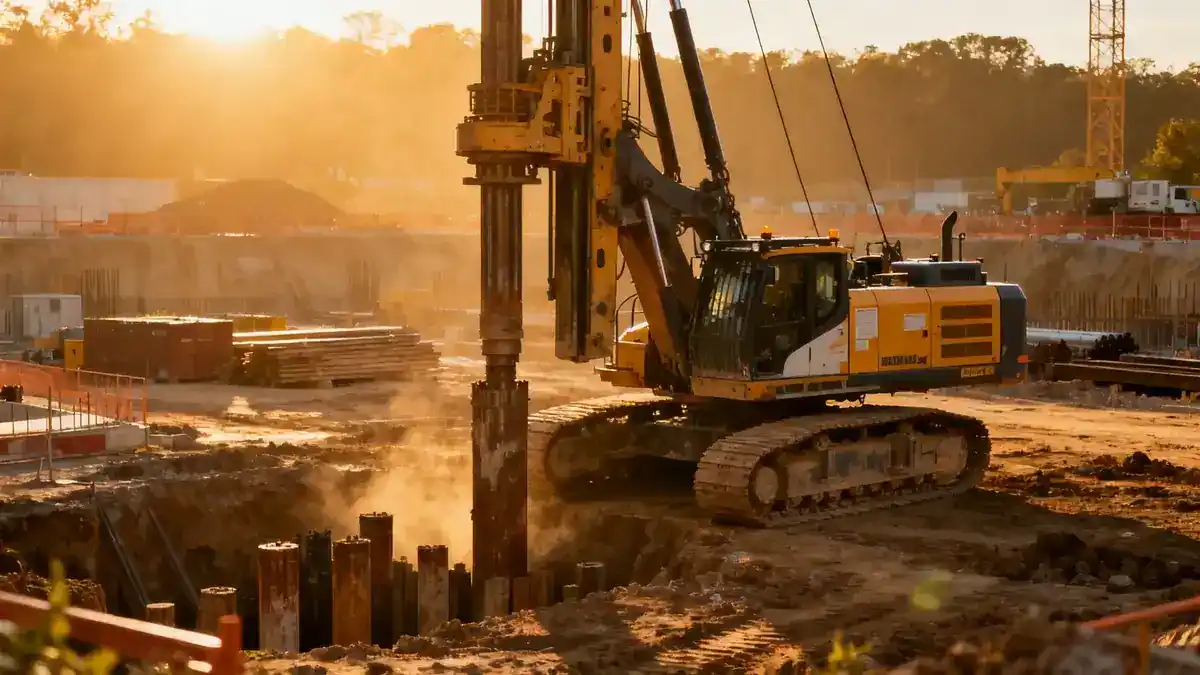
Methodology
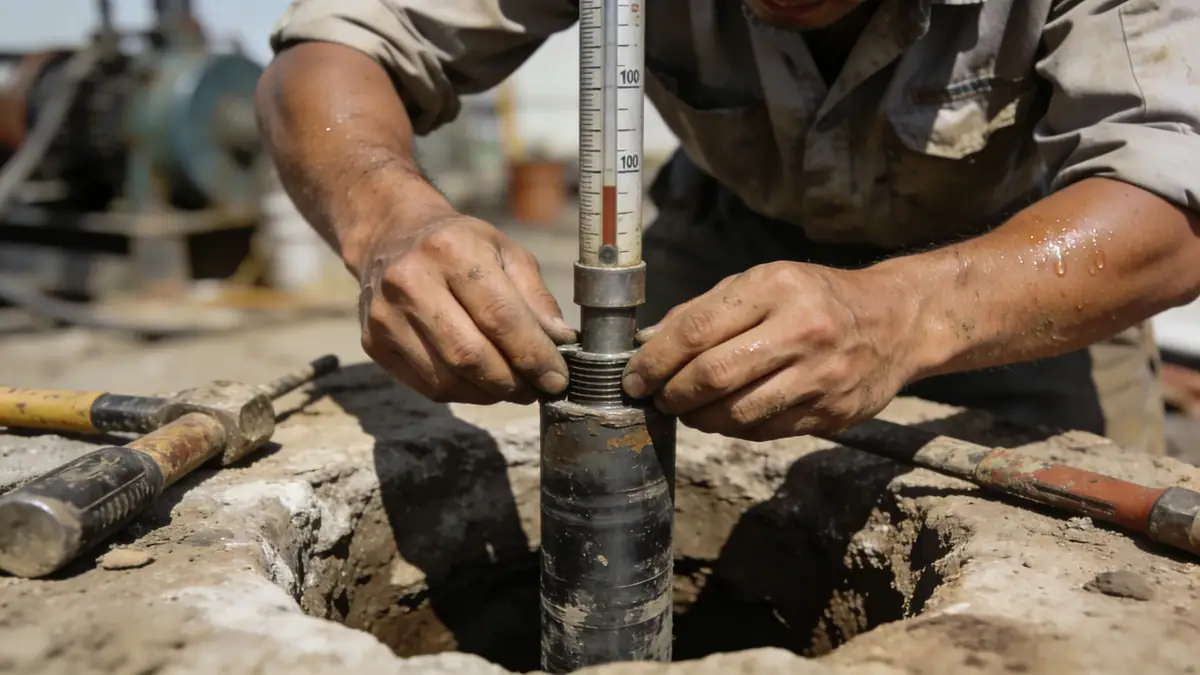
Our methodology for standard penetration test in Springfield Illinois follows ASTM D1586, ensuring consistent and reliable data collection. The SPT is performed at 1.5-meter intervals to capture soil variability. We assess blow counts (N-values) to estimate relative density and strength. This data is integrated with our standard penetration test (spt) services to provide a complete geotechnical profile. Our team also correlates SPT results with cone penetration test (CPT) data when required, offering a comprehensive understanding of soil behavior for foundation design.
Reference Technical Parameters
| Parameter | Reference Value |
|---|---|
| Predominant soil type | Glacial till, silt, sand, and clay |
| Maximum seismic acceleration (PGA) | 0.15g (ASCE 7-16) |
| Typical groundwater level | 5–15 ft below grade |
| Bedrock depth | 100–200 ft (Pennsylvanian shale/limestone) |
| Typical N60 range | 10–40 (varies with density) |
Local Considerations — Springfield Illinois
Springfield Illinois is underlain by glacial till over bedrock of Pennsylvanian age. Soils are generally dense, but local variations include soft lacustrine deposits near the Sangamon River. Groundwater is typically shallow, requiring dewatering for excavations. Seismic hazard is moderate per ASCE 7-16, with PGA of 0.15g. Older downtown areas may have fill or buried structures. For specialized investigations, we coordinate with our cone penetration test (cpt) services to map stratigraphy in detail. Our team also references standard penetration test en Chicago for regional analogies in similar glacial settings.
Request a Quote
Our team reviews your project and issues an initial report at no cost.
Or write us directly at [email protected]
Services in Springfield Illinois
Applicable Standards
- ASTM D1586
- ASCE 7-16
- IBC 2021
- Illinois Administrative Code Title 77
Frequently Asked Questions
What soil types are common in Springfield Illinois?
Springfield Illinois predominantly features glacial till, including silty sands, clays, and gravels. Loess deposits may be present near the surface. Bedrock consists of Pennsylvanian shales and limestones at depths of 100–200 ft.
What seismic code applies to Springfield Illinois?
Springfield Illinois follows ASCE 7-16 and the IBC 2021. The maximum considered earthquake (MCE) spectral response acceleration at short periods (Ss) is approximately 0.15g, placing the city in Seismic Design Category B.
Are geotechnical investigations mandatory for construction in Springfield Illinois?
Yes, the Illinois Administrative Code requires geotechnical investigations for most commercial and public buildings. Residential projects often require soil reports for foundation design, especially in areas with variable soils.