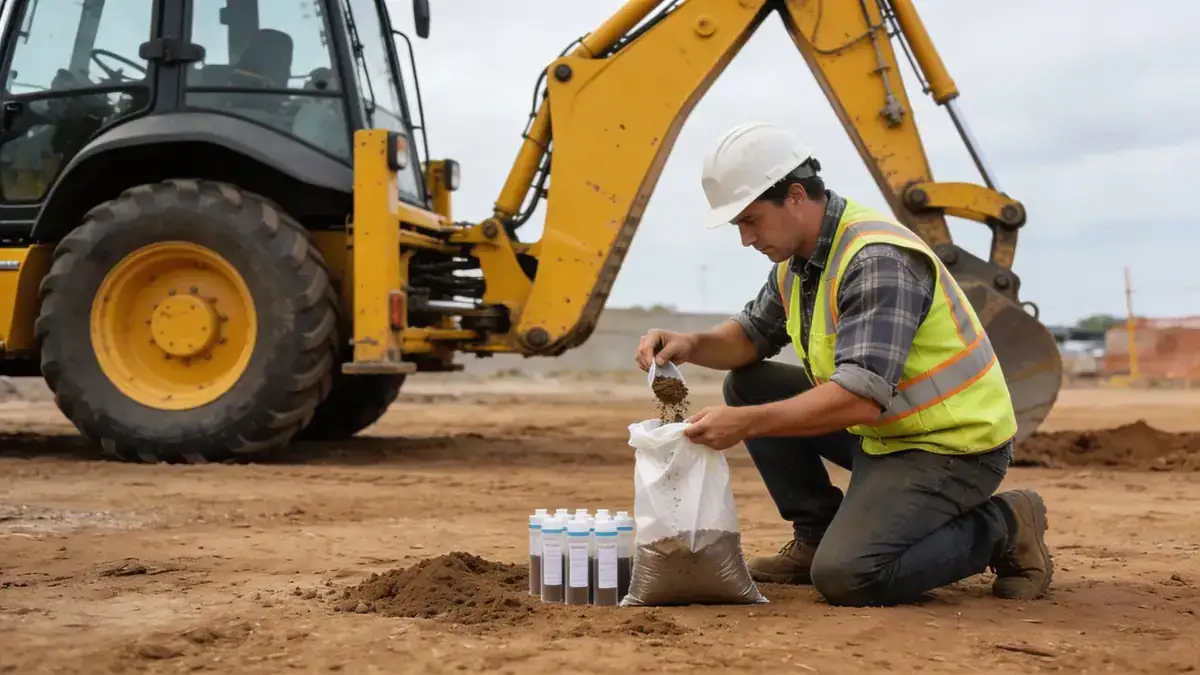
Methodology
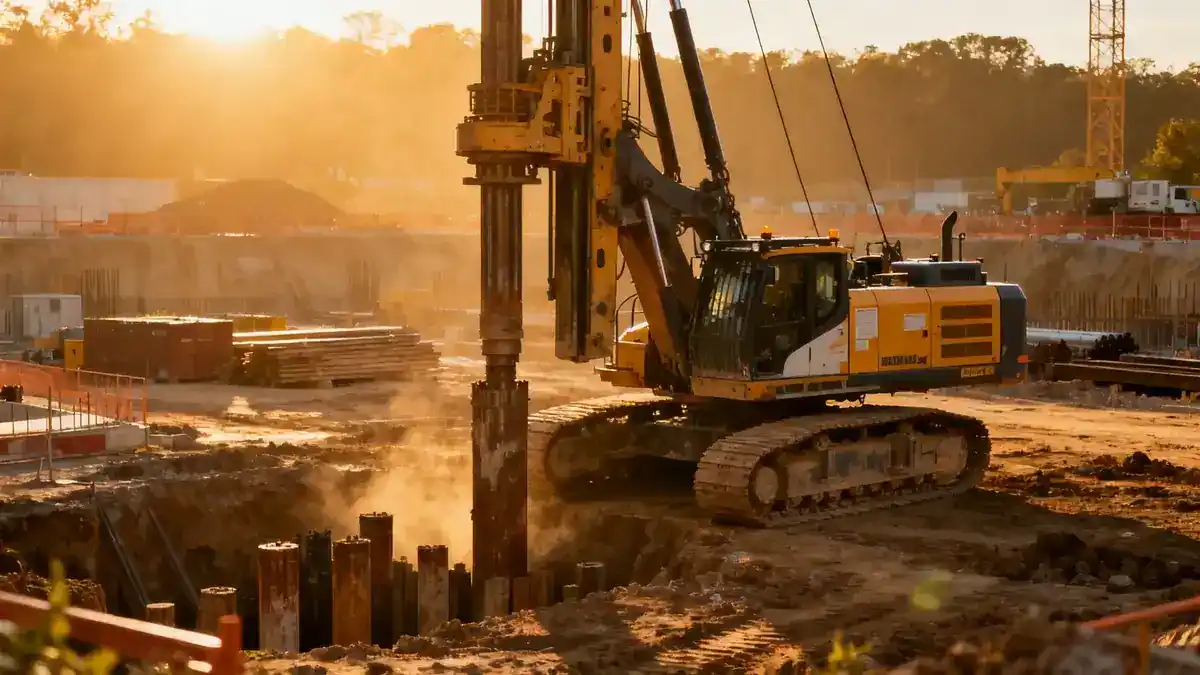
Our methodology for standard penetration tests in Minneapolis follows ASTM D1586, employing a 63.5 kg hammer dropped 760 mm to drive a split-spoon sampler. We record blow counts per 150 mm increment to derive N-values, corrected for overburden and energy efficiency (N60). Sampling intervals are typically 1.5 m, with continuous sampling in critical zones. Our team integrates this data with cone penetration test (cpt) results when needed, providing a comprehensive subsurface profile. All drilling and sampling adhere to ASTM D1586 and local regulations, ensuring repeatability and accuracy for foundation design.
Reference Technical Parameters
| Parameter | Reference Value |
|---|---|
| Predominant soil type | Glacial till (silty sand, gravel, clay) |
| Maximum seismic acceleration (PGA) | 0.15–0.25 g (ASCE 7) |
| Typical groundwater level | 3–10 m below ground surface |
| Bedrock depth | 10–50 m (variable) |
| Typical N60 range | 10–50 blows/300 mm |
Local Considerations — Minneapolis
Minneapolis' geology is dominated by glacial till, with interbedded sands and clays from multiple advances of the Laurentide Ice Sheet. The Mississippi River valley incises these deposits, creating variable groundwater conditions and potential for soft alluvial soils. Seismic design per ASCE 7 Site Class C or D is typical, with PGA values of 0.15–0.25 g. Differential settlement risks arise from organic deposits or buried channels. Our team's local experience ensures appropriate standard penetration test (spt) strategies, such as deeper borings in downtown areas where bedrock drops below 30 m. We also coordinate with dpsh dynamic probing for rapid profiling of granular fills.
Request a Quote
Our team reviews your project and issues an initial report at no cost.
Or write us directly at [email protected]
Services in Minneapolis
Applicable Standards
- ASTM D1586
- ASCE 7
- Minneapolis Building Code (IBC 2021 based)
- OSHA 29 CFR 1926
Frequently Asked Questions
What are the typical soil conditions encountered in Minneapolis?
Minneapolis soils are predominantly glacial till, comprising silty sands, gravels, and clays. The Mississippi River valley features alluvial deposits with higher groundwater. Bedrock depth varies from 10 to 50 m, with shale and limestone formations. Understanding this variability is critical for foundation design.
Does Minneapolis have seismic design requirements?
Yes, per ASCE 7, Minneapolis falls within moderate seismic hazard zones with PGA values of 0.15–0.25 g. Site-specific SPT data is used to determine Site Class (typically C or D) and to evaluate liquefaction potential in saturated sands. Compliance with the Minnesota State Building Code is mandatory.
Is a standard penetration test required for building permits in Minneapolis?
For most commercial and multi-story residential projects, a geotechnical investigation including SPT is required by the Minneapolis Building Code. The city may waive requirements for small structures on proven stable soils, but a preliminary evaluation is strongly recommended to avoid future issues.