Methodology

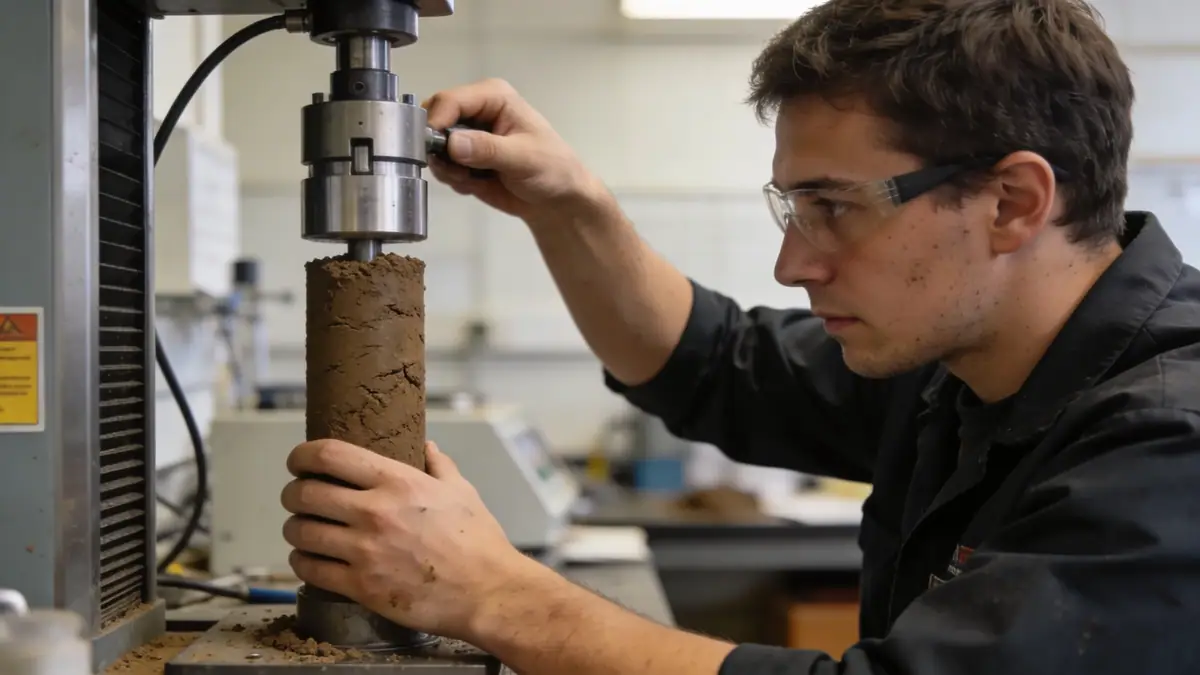
Our methodology for standard penetration test in St Paul follows ASTM D1586 with site-specific adaptations. We deploy automatic hammers to deliver a 63.5 kg weight dropped 760 mm, recording blow counts per 150 mm interval. Sampling is conducted at 1.5 m intervals to capture variations in glacial till, sand, and clay layers. Field data is correlated with local geotechnical databases to refine N60 values. For projects requiring continuous profiling, we complement SPT with cone penetration test (cpt), offering high-resolution stratigraphic logs. All equipment is calibrated annually, and our field supervisors hold certifications from the Minnesota Department of Transportation.
Reference Technical Parameters
| Parameter | Reference Value |
|---|---|
| Predominant soil type | Glacial till (silty sand and clay) |
| Maximum seismic acceleration (PGA) | 0.15–0.20 g (ASCE 7-16) |
| Typical groundwater level | 3–6 m below ground surface |
| Bedrock depth | 15–30 m (Platteville Limestone) |
| Typical N60 range | 10–40 blows/ft |
Local Considerations — St Paul
St Paul's geology is dominated by glacial till overlying sedimentary bedrock, with significant variability between downtown areas and the Mississippi River bluffs. The water table fluctuates seasonally, requiring careful dewatering considerations for excavations. Seismic design follows ASCE 7-16, with Site Class D typical due to moderate soil stiffness. Our team has extensive experience in the Cathedral Hill and Lowertown districts, where fill layers and buried utilities complicate SPT access. For comprehensive assessments, we partner with dpsh dynamic probing to map bedrock contours in high-rise projects. Coordination with the City of St Paul's building department ensures all borings comply with local ordinances.
Request a Quote
Our team reviews your project and issues an initial report at no cost.
Or write us directly at [email protected]
Services in St Paul
Applicable Standards
- ASTM D1586
- ASCE 7-16
- Minnesota State Building Code (MSBC)
- OSHA 29 CFR 1926 Subpart P
Frequently Asked Questions
What are the typical soil conditions encountered during SPT in St Paul?
St Paul's subsurface is predominantly glacial till—a dense mixture of silty sand, clay, and gravel. Underlying the till are sedimentary rocks like limestone and sandstone. Alluvial deposits near the Mississippi River may include loose sands and soft clays, requiring careful interpretation of blow counts.
How does seismic design affect SPT requirements in St Paul?
Per ASCE 7-16, St Paul falls in Seismic Design Category B with PGA up to 0.20 g. SPT data is used to determine Site Class (typically D) and calculate liquefaction potential. Deeper borings (≥30 m) may be needed for critical structures to assess bedrock depth and soil amplification.
Are geotechnical investigations mandatory for construction in St Paul?
Yes, the Minnesota State Building Code requires a geotechnical report for most commercial and residential buildings. The report must include SPT borings to characterize soil strength and settlement potential. Our firm assists clients in meeting these requirements efficiently.