
Methodology
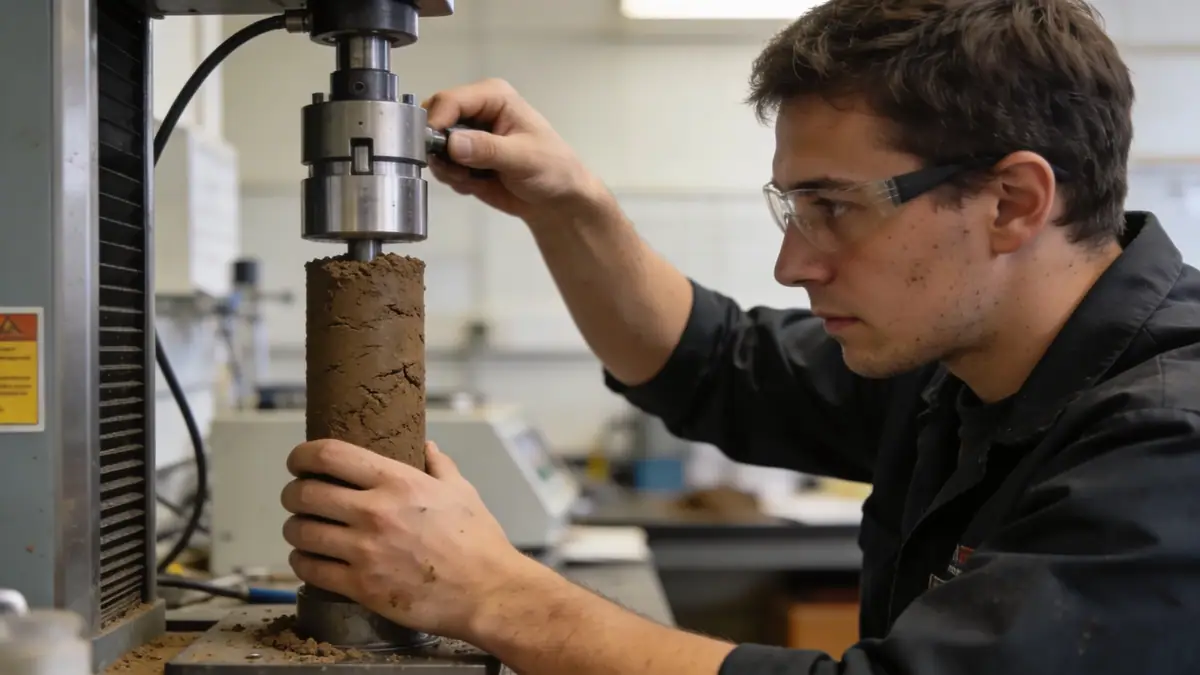
Our standard penetration test methodology in Detroit follows ASTM D1586, with boreholes advanced using hollow-stem augers to minimize disturbance in cohesive soils. We record blow counts at 1.5-meter intervals, obtaining N-values that correlate with the dense glacial tills and lacustrine clays typical of the region. For projects requiring continuous profiling, we integrate cone penetration test (cpt) to map stratigraphy in granular soils. Our field team ensures compliance with Michigan OSHA regulations, and samples are logged by certified geologists. Data reduction includes corrections for overburden pressure and hammer energy efficiency, providing reliable parameters for foundation design and seismic site classification.
Reference Technical Parameters
| Parameter | Reference Value |
|---|---|
| Predominant soil type | Glacial till, lacustrine clay, sandy outwash |
| Maximum seismic acceleration (PGA) | 0.15g (ASCE 7-16, Site Class D) |
| Typical groundwater level | 3–6 meters below surface |
| Bedrock depth | 30–50 meters (Devonian limestone/shale) |
| Typical N60 range | 8–25 (clays), 15–40 (sands/tills) |
Local Considerations — Detroit
Detroit’s geology is dominated by Pleistocene glacial deposits: stiff lacustrine clays and silts overlying dense tills and bedrock. The shallow groundwater table (3–6 m) requires dewatering for excavations. Seismic hazard is moderate (PGA 0.15g per ASCE 7), with Site Class D prevalent. Downtown infill projects often encounter buried foundations and fill from historic industrial use, necessitating careful standard penetration test (spt) sampling to assess variability. Suburban developments on outwash sands benefit from dynamic probing methods. Our team coordinates with local agencies to address brownfield regulations and Michigan’s Part 201 environmental requirements. For regional projects, we collaborate with our team in Chicago to provide consistent standards across the Great Lakes basin.
Request a Quote
Our team reviews your project and issues an initial report at no cost.
Or write us directly at [email protected]
Services in Detroit
Applicable Standards
- ASTM D1586
- ASCE 7-16
- Michigan Occupational Safety and Health Administration (MIOSHA) Part 9
- International Building Code (IBC) 2018
- ASTM D2487 (Unified Soil Classification System)
Frequently Asked Questions
What soil types are commonly encountered in Detroit SPT investigations?
Detroit’s subsurface typically consists of glacial till, lacustrine clay, and sandy outwash. The stiff clays can exhibit sensitivity, requiring careful drilling to avoid disturbance. SPT N-values in these clays range from 8 to 25, while sands and tills yield 15 to 40.
How does Michigan’s seismic code affect SPT requirements in Detroit?
Detroit falls under ASCE 7 Seismic Design Category B with a PGA of 0.15g. Site classification per IBC requires SPT N-values to determine Site Class D (stiff soil) or C (very dense soil). This classification is mandatory for commercial and multi-story structures.
Are SPT borings mandatory for residential construction in Detroit?
While not always required by code, local building officials often request geotechnical reports for new foundations, especially in areas with known fill or high groundwater. SPT provides essential data for bearing capacity and settlement analysis, reducing risk for homeowners and developers.