Methodology
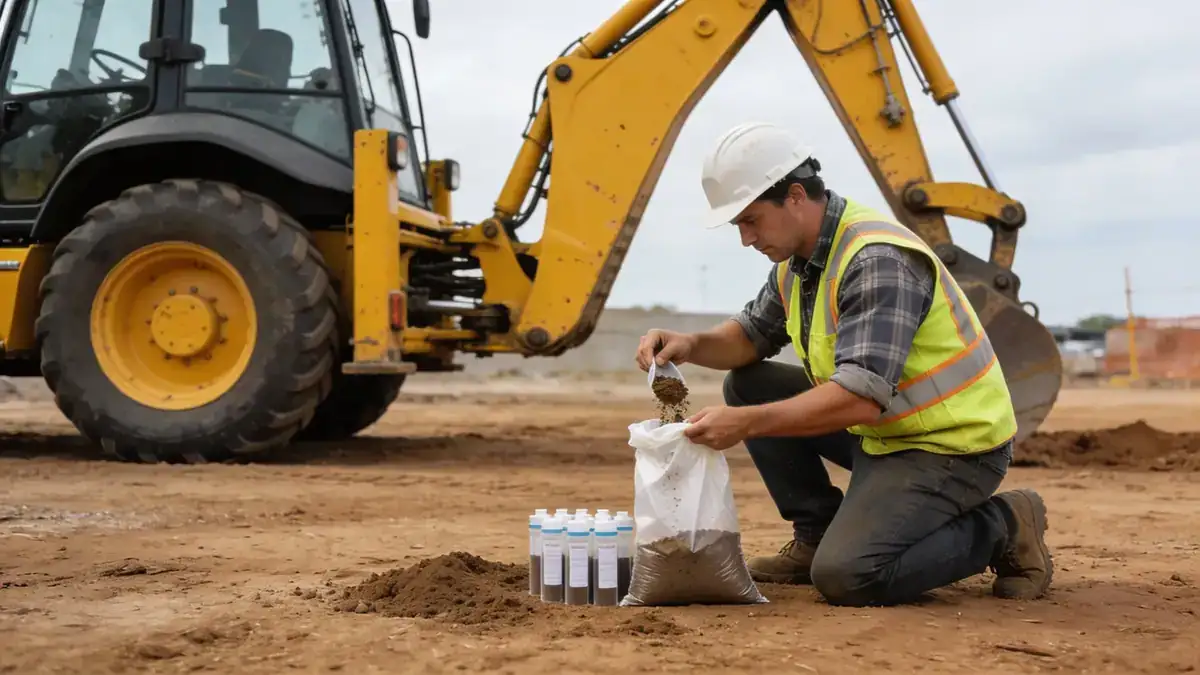
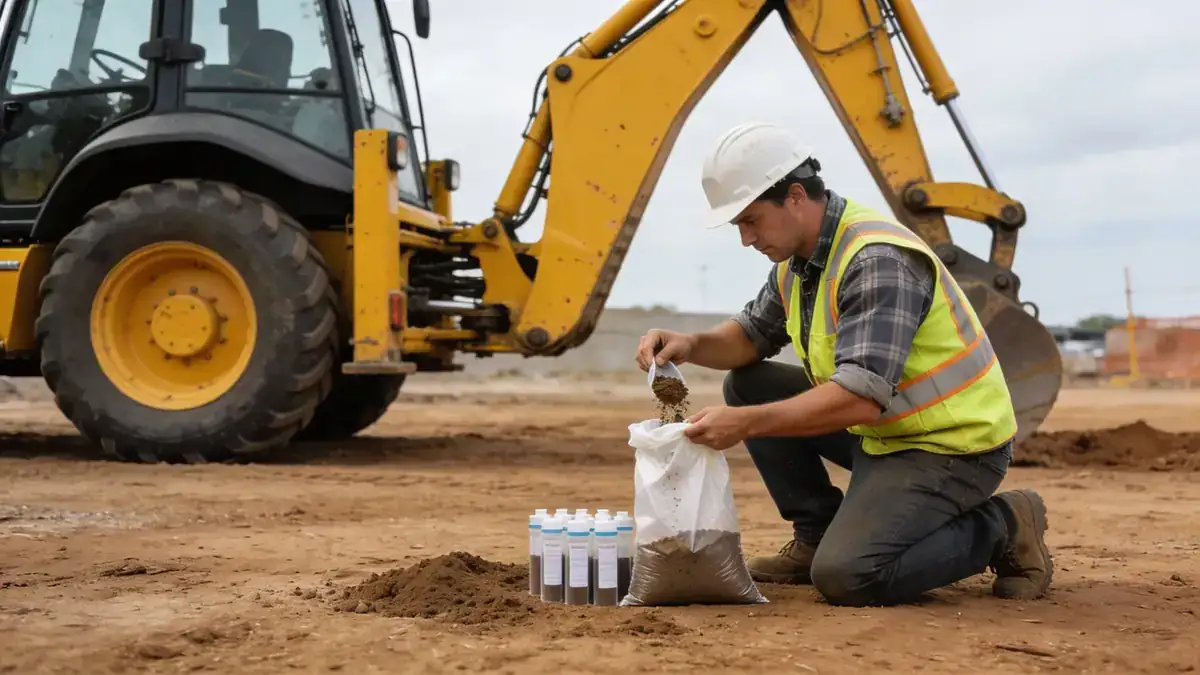
Our methodology for standard penetration testing in Akron follows ASTM D1586, with split-spoon sampling at 1.5 m intervals to a maximum depth of 30 m, depending on project requirements. We employ automatic trip hammers to ensure consistent energy delivery, recording N-values corrected for rod length, borehole diameter, and overburden pressure. In cohesive soils, we obtain undisturbed tube samples for laboratory testing. Our field team logs soil types, groundwater levels, and drilling resistance in real time, providing a comprehensive subsurface profile. For detailed stratigraphy, we integrate SPT data with our standard penetration test (spt) services, ensuring robust geotechnical parameters for foundation design.
Reference Technical Parameters
| Parameter | Reference Value |
|---|---|
| Predominant soil type | Glacial till with interbedded sand and gravel; lacustrine clay in valley bottoms |
| Maximum seismic acceleration (PGA) | 0.18g (ASCE 7-16, Site Class D) |
| Typical groundwater level | 3-6 m below surface |
| Bedrock depth | 15-30 m (shale and sandstone) |
| Typical N60 range | 5-30 blows/0.3 m (variable with compaction) |
Local Considerations — Akron
Akron's subsurface is dominated by glacial till over shale bedrock, with localized lacustrine clays in the Cuyahoga River valley. Seismic design per ASCE 7-16 requires Site Class D or E in areas with soft clays. Groundwater levels fluctuate seasonally, impacting excavation stability. Urban redevelopment sites often encounter fill and buried structures, necessitating careful SPT spacing. For cohesive soils, we recommend complementary cone penetration test (cpt) to assess undrained shear strength. Our experience includes projects from downtown high-rises to suburban residential subdivisions. For broader regional context, our standard penetration test en Chicago provides additional insight into Midwestern glacial geology.
Request a Quote
Our team reviews your project and issues an initial report at no cost.
Or write us directly at [email protected]
Services in Akron
Applicable Standards
- ASTM D1586 – Standard Test Method for Standard Penetration Test (SPT)
- ASCE 7-16 – Minimum Design Loads for Buildings and Other Structures
- Ohio Building Code (OBC) 2020 – Seismic and geotechnical provisions
- ASTM D2487 – Classification of Soils for Engineering Purposes (USCS)
Frequently Asked Questions
What are the typical soil types encountered during SPT in Akron?
Akron's soils predominantly consist of glacial till (silty clay with sand and gravel) overlying shale bedrock. In river valleys, soft lacustrine clays may be present. SPT N-values typically range from 5 to 30 blows per 0.3 m, reflecting variable compaction.
How does seismic design affect SPT requirements in Akron?
Per ASCE 7-16, Akron falls within Seismic Design Category B to C, with PGA up to 0.18g. Site Class D or E requires SPT to 30 m depth to evaluate liquefaction potential and dynamic soil properties. Our SPT program includes energy measurements to ensure accurate N60 values.
Are SPT borings mandatory for residential construction in Akron?
The Ohio Building Code requires geotechnical investigations for most structures, including residential buildings on poor soils or with deep foundations. SPT borings are standard for determining bearing capacity and settlement parameters, typically to depths of 8-15 m.