Methodology
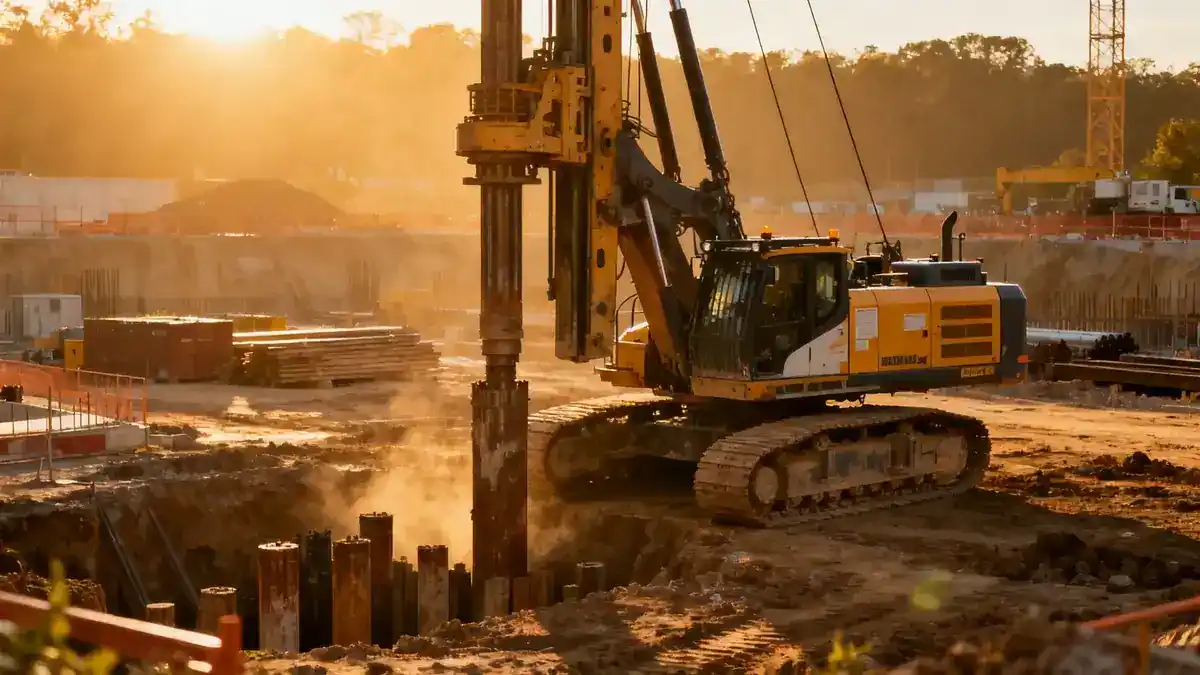
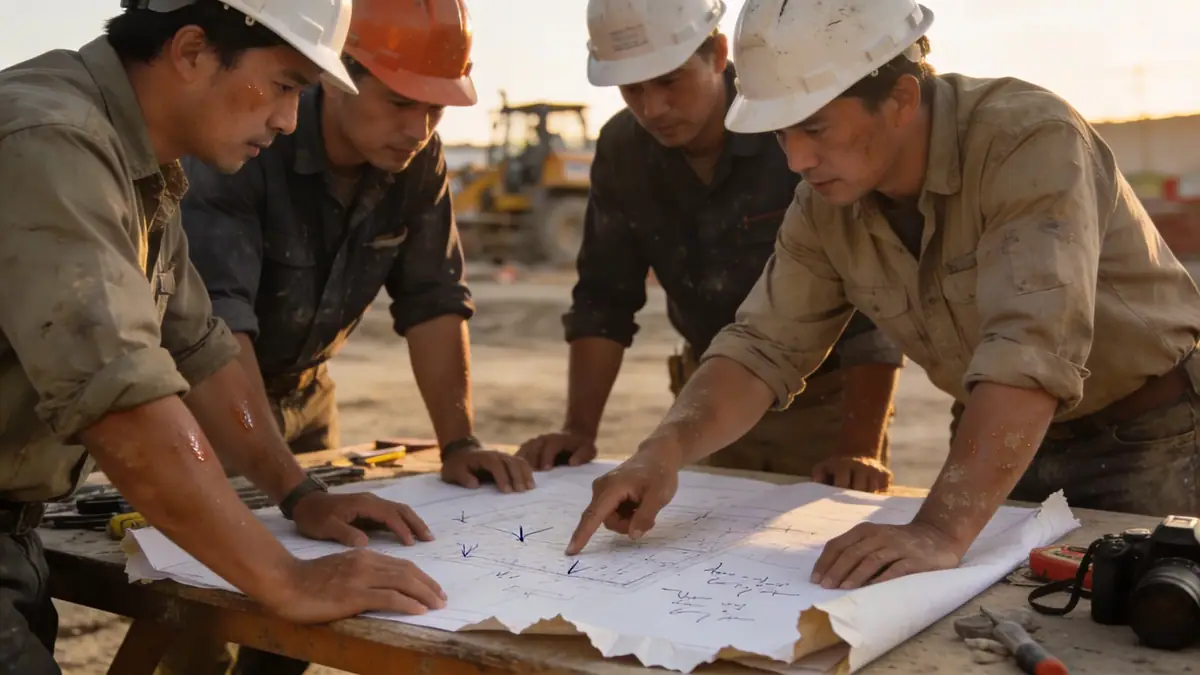
Our approach to standard penetration testing in Grand Rapids follows ASTM D1586, using a 63.5 kg hammer with a 0.76 m drop to drive a split-spoon sampler. We record blow counts for each 150 mm interval, with N-value reported as blows per foot (bpf). Sampling intervals are typically 1.5 m, adjusted based on stratigraphy. Our team also integrates standard penetration test (spt) data with soil classification and groundwater monitoring to provide comprehensive geotechnical profiles for foundation design.
Reference Technical Parameters
| Parameter | Reference Value |
|---|---|
| Predominant soil type | Glacial till, lacustrine clay, sand |
| Maximum seismic acceleration (PGA) | 0.1g to 0.15g (ASCE 7-16) |
| Typical groundwater level | 3 to 6 meters below grade |
| Bedrock depth | 20 to 50 meters (shale/limestone) |
| Typical N60 range | 5 to 30 blows per foot |
Local Considerations — Grand Rapids
Grand Rapids lies within the Michigan Basin, underlain by Paleozoic sedimentary rocks overlain by glacial deposits. The city's soils include stiff glacial till, soft lacustrine clays, and outwash sands. Seismic hazard is moderate (PGA 0.1g–0.15g per ASCE 7-16), requiring site-specific response analysis for critical structures. Groundwater levels vary seasonally, often requiring dewatering for deep excavations. Our team frequently encounters fill in urban areas and soft clays near the Grand River. For regional projects, our cone penetration test (cpt) services complement SPT data. For broader geotechnical context, we collaborate with our standard penetration test en Chicago hub to ensure consistent methodology across the Midwest.
Request a Quote
Our team reviews your project and issues an initial report at no cost.
Or write us directly at [email protected]
Services in Grand Rapids
Applicable Standards
- ASTM D1586
- ASCE 7-16
- Michigan Building Code (IBC 2018 based)
- ACI 318
Frequently Asked Questions
What are the typical soil conditions in Grand Rapids?
Grand Rapids soils are primarily glacial till, lacustrine clays, and sands. Glacial till is dense and suitable for shallow foundations, while clays may require deep foundations or ground improvement. Site-specific SPT testing is recommended to assess variability.
Is seismic analysis required for Grand Rapids?
Yes, ASCE 7-16 designates Grand Rapids with a seismic design category B to C. Site-specific response analysis using SPT N-values is necessary for structures in higher categories to determine liquefaction potential and design accelerations.
Are geotechnical investigations mandatory in Grand Rapids?
While not always legally required, geotechnical investigations are strongly recommended for commercial and multi-family projects. The Michigan Building Code references IBC requirements, which often necessitate subsurface exploration for structural design.