Methodology
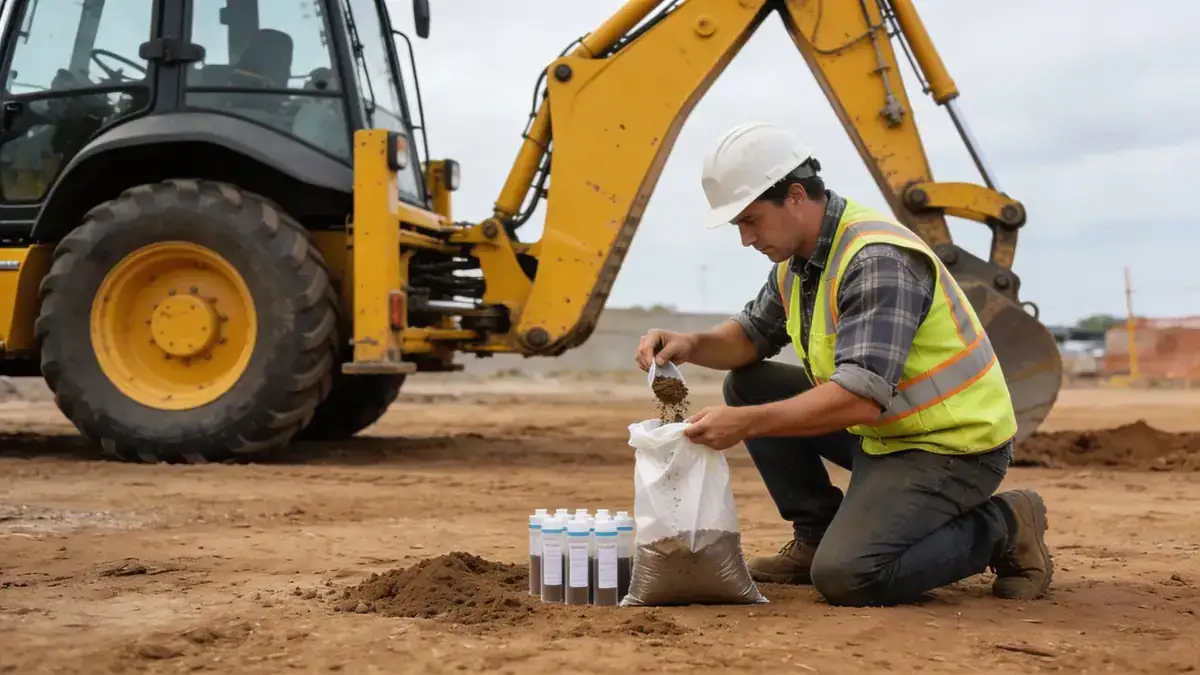
Our methodology for standard penetration test in Wilmington Delaware follows ASTM D1586, with split-spoon sampling at 1.5-meter intervals to a typical depth of 15 meters. We employ automatic hammers for consistent energy delivery and record N-values to characterize soil density and strength. For soft clays or loose sands, we supplement with cone penetration test (cpt) to obtain continuous stratigraphic profiles. All data is correlated with local geologic maps and prior boring logs to validate results.
Reference Technical Parameters
| Parameter | Reference Value |
|---|---|
| Predominant soil type | Alluvial sands, silts, and clays; weathered gneiss at depth |
| Maximum seismic acceleration (PGA) | 0.18g (ASCE 7 Site Class C/D) |
| Typical groundwater level | 3–6 meters below grade |
| Bedrock depth | 10–25 meters in river valley; <5 meters in uplands |
| Typical N60 range | 4–15 blows/ft in fill; 20–50 blows/ft in dense sand/gravel |
Local Considerations — Wilmington Delaware
Wilmington Delaware sits within the Piedmont physiographic province, underlain by the Wissahickon Formation (schist and gneiss) and Quaternary alluvium along the Christina and Brandywine rivers. The city is in ASCE 7 Seismic Design Category C, with peak ground acceleration of 0.18g. Groundwater levels fluctuate seasonally, typically encountered at 3–6 meters. Many sites contain undocumented fill from historical industrial activity, requiring careful characterization. For deeper or more variable conditions, our team often coordinates with standard penetration test (spt) to ensure adequate penetration through cobbles. The proximity to Philadelphia means regional expertise is readily available; see our standard penetration test en Philadelphia for comparable urban settings.
Request a Quote
Our team reviews your project and issues an initial report at no cost.
Or write us directly at [email protected]
Services in Wilmington Delaware
Applicable Standards
- ASTM D1586
- ASCE 7
- IBC 2021
- Delaware State Building Code (DSBC)
Frequently Asked Questions
What are the typical soil types encountered in Wilmington Delaware during SPT?
Wilmington soils include alluvial sands, silts, and clays along river valleys, and residual soils from weathered gneiss and schist in upland areas. Fill materials from past industrial use are common. SPT N-values typically range from 4 to 15 blows/ft in loose deposits to over 50 blows/ft in dense sands or weathered rock.
Is a standard penetration test required for building permits in Wilmington Delaware?
Yes, the Delaware State Building Code (based on IBC 2021) mandates geotechnical investigations for most structures. SPT is the preferred method for obtaining soil bearing capacity and liquefaction potential data, especially in Seismic Design Category C. Local authorities often require minimum boring depths of 10–15 meters for commercial buildings.
How does seismic hazard affect SPT testing in Wilmington Delaware?
Wilmington lies in ASCE 7 Seismic Design Category C with a PGA of 0.18g. SPT N-values are used to evaluate liquefaction susceptibility in loose saturated sands. Our team follows ASTM D1586 and applies fines content corrections to assess cyclic resistance ratios, ensuring foundations meet code requirements.