Methodology

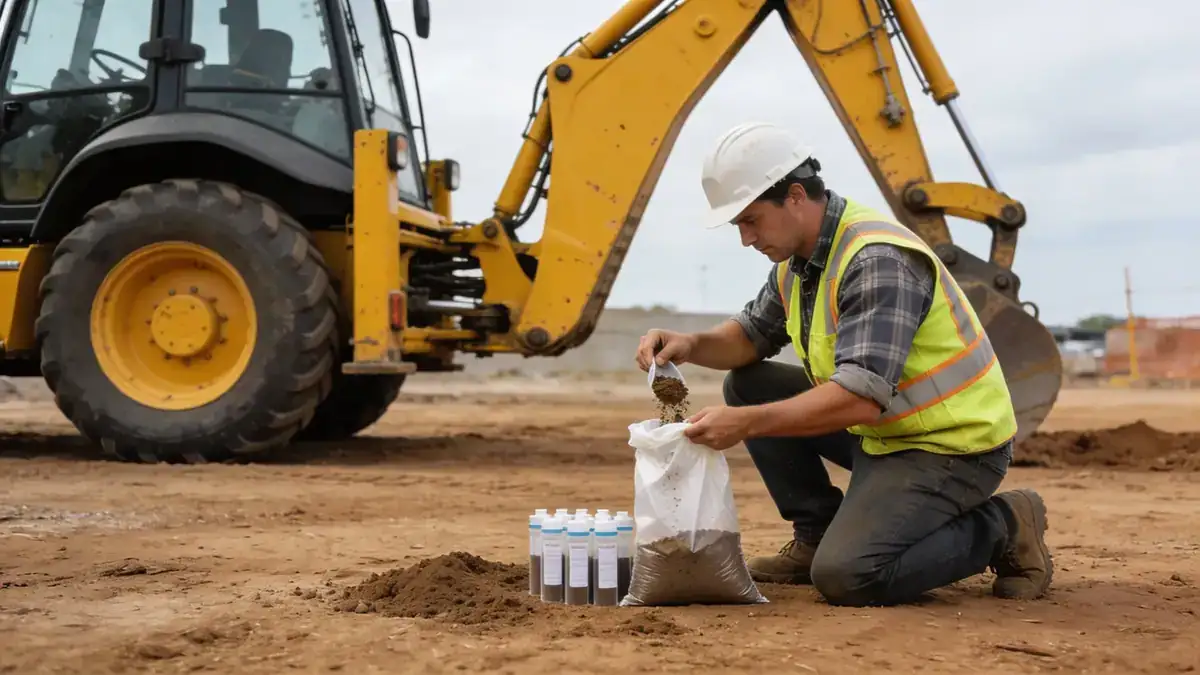
Our methodology for standard penetration test (SPT) in Durham follows ASTM D1586, with rigorous energy calibration and precise blow count recording. We deploy safety hammers and automatic trip systems to minimize variability, and our field technicians log soil samples at 1.5 m intervals, or continuously in critical zones. The SPT data are corrected for overburden and hammer efficiency to yield N60 values, which are correlated with local empirical relationships for bearing capacity and liquefaction assessment. This approach provides a robust basis for foundation design in Durham's variable Piedmont geology, complementing other methods like cone penetration test (cpt) for specialized applications.
Reference Technical Parameters
| Parameter | Reference Value |
|---|---|
| Predominant soil type | Residual silt and sand with clay, saprolite |
| Maximum seismic acceleration (PGA) | 0.2g to 0.4g (ASCE 7-16) |
| Typical groundwater level | 3–10 m below grade |
| Bedrock depth | 5–30 m, variable |
| Typical N60 range | 10–50 blows/0.3 m |
Local Considerations — Durham
Durham's geology is dominated by residuum and saprolite derived from metamorphic and igneous bedrock, often exhibiting rapid lateral variability. Shallow groundwater can be encountered in valley fills, requiring careful dewatering planning. Seismic design per ASCE 7-16 Site Class C or D is common, with peak accelerations up to 0.4g. Older downtown areas may have undocumented fill, while suburban developments on rolling topography often encounter shallow rock. Typical projects include residential subdivisions, commercial plazas, and institutional buildings. Our team also provides dpsh dynamic probing for rapid profiling in these conditions, complementing SPT for comprehensive site characterization. For projects requiring regional context, we coordinate with our standard penetration test en Philadelphia office.
Request a Quote
Our team reviews your project and issues an initial report at no cost.
Or write us directly at [email protected]
Services in Durham
Applicable Standards
- ASTM D1586 – Standard Test Method for Standard Penetration Test (SPT)
- ASCE 7-16 – Minimum Design Loads for Buildings and Other Structures
- North Carolina State Building Code (2018, with amendments)
- IBC 2018 – International Building Code
Frequently Asked Questions
What soil conditions are typical for SPT in Durham?
Durham's Piedmont region features residual soils—silty sands, clays, and saprolite—with variable density and strength. SPT effectively captures this variability, providing N60 values critical for foundation design in both shallow and deep foundations.
How does seismic design affect SPT requirements in Durham?
Durham is in Seismic Design Category B or C per ASCE 7-16, with PGA up to 0.4g. SPT data are essential for site classification (Site Class C/D) and liquefaction assessment, guiding foundation type and depth to mitigate seismic risk.
Are geotechnical investigations mandatory for construction in Durham?
Yes, the North Carolina State Building Code requires geotechnical investigations for most structures, especially those in Seismic Design Categories C and above. SPT is the preferred method for subsurface characterization to satisfy code requirements and ensure safe design.