
Methodology
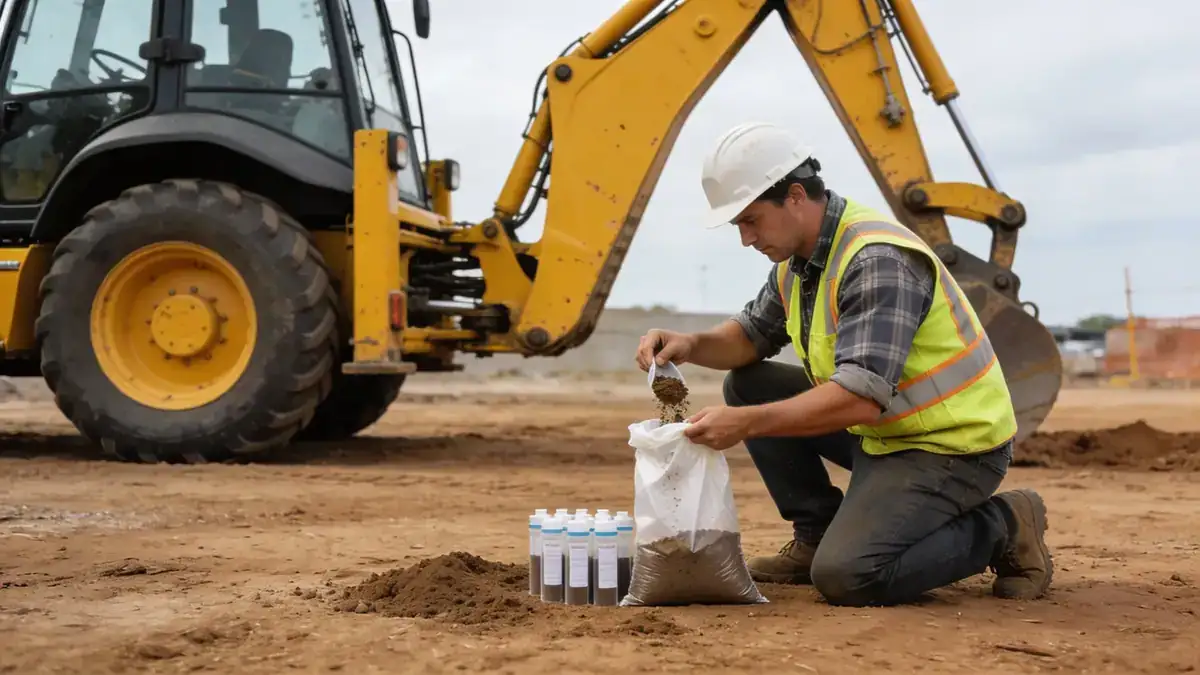
Our methodology for standard penetration test (SPT) in Chesapeake follows ASTM D1586, with split-spoon sampling at 1.5-meter intervals to depths of 15–30 meters depending on project scale. We employ automatic hammers and calibrated equipment to record N-values accurately. Data interpretation includes correction for overburden and energy efficiency, yielding N60 values for foundation design. For deeper profiling, we integrate cone penetration test (cpt) to supplement SPT data, providing continuous stratigraphic logs. Our approach ensures reliable characterization of the region's interbedded sands, silts, and clays, supporting safe and economical foundation solutions.
Reference Technical Parameters
| Parameter | Reference Value |
|---|---|
| Predominant soil type | Interbedded sands, silts, and clays (coastal plain) |
| Maximum seismic acceleration (PGA) | 0.2 g (ASCE 7-16, Site Class D) |
| Typical groundwater level | 1.5–3.0 m below surface |
| Bedrock depth | >30 m (deep coastal plain sediments) |
| Typical N60 range | 4–15 (clays) to 20–40 (sands) |
Local Considerations — Chesapeake
Chesapeake's geology is dominated by Quaternary coastal plain deposits, with soft marine clays (e.g., Norfolk Formation) overlain by sands and silts. Shallow groundwater (1.5–3 m) requires dewatering considerations for excavations. Seismic site classification per ASCE 7-16 typically falls into Site Class D due to deep soft soils. Local contrasts include the loose fills and organic soils near the Dismal Swamp versus dense sands in the Greenbrier area. Our team has extensive experience with SPT in these conditions, and we also coordinate with our standard penetration test (spt) team in Philadelphia to ensure consistent quality across regions.
Request a Quote
Our team reviews your project and issues an initial report at no cost.
Or write us directly at [email protected]
Services in Chesapeake
Applicable Standards
- ASTM D1586
- ASCE 7-16
- Virginia Uniform Statewide Building Code (USBC)
- International Building Code (IBC) 2018
Frequently Asked Questions
What soil types are typical in Chesapeake for SPT?
Chesapeake's subsurface consists mainly of interbedded sands, silts, and clays from the Coastal Plain province. Soft marine clays (Norfolk Formation) and loose sands are common, with organic deposits in low-lying areas. SPT N-values range from 4–15 in clays to 20–40 in dense sands.
How does seismic design affect SPT requirements in Chesapeake?
Chesapeake is in seismic design category B per IBC, with a PGA of 0.2 g. Site Class D (stiff soil) is typical due to deep sediments. SPT provides N-values for site class determination and liquefaction assessment per ASCE 7-16, essential for foundation design.
Are SPT borings mandatory for residential projects in Chesapeake?
Virginia building code requires geotechnical investigations for structures with shallow foundations in questionable soils. For typical residential projects, SPT borings are recommended but not always mandatory. However, for engineered fills or high-risk areas, SPT is required to verify bearing capacity and settlement.