
Methodology
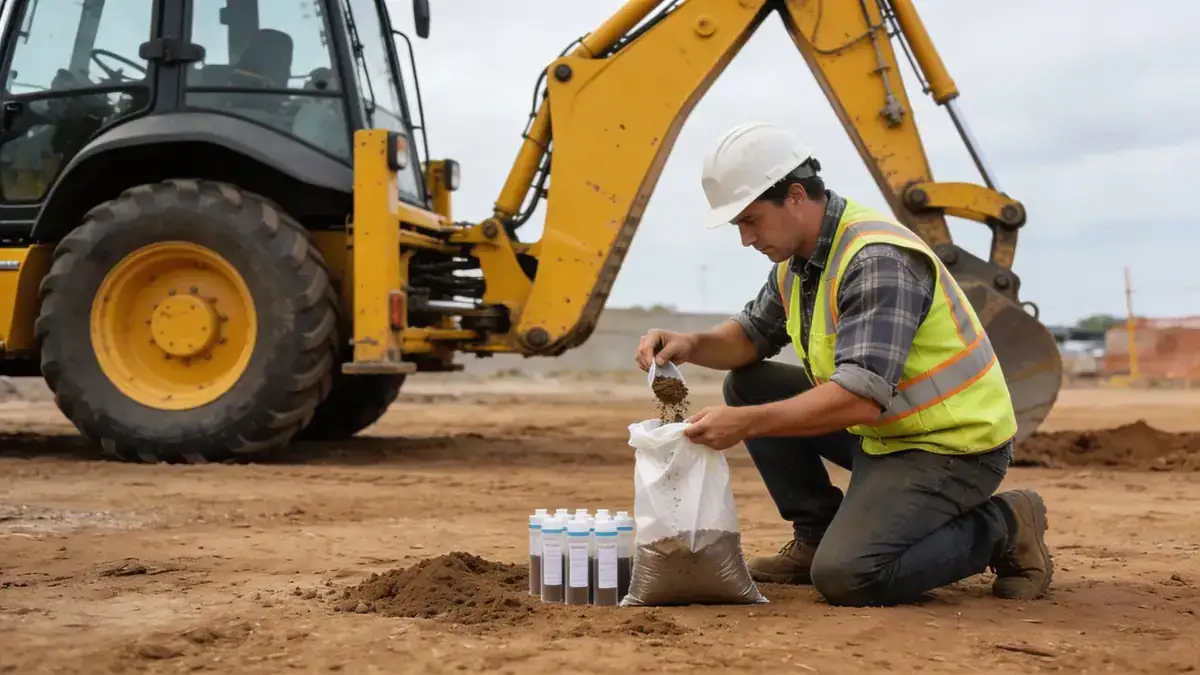
Our methodology for standard penetration testing in Norfolk follows ASTM D1586, employing a 140-pound hammer dropped 30 inches to drive a 2-inch split-spoon sampler. Boreholes are advanced using hollow-stem augers to minimize disturbance in the region's loose sands and soft clays. Sampling intervals are typically every 1.5 meters, with continuous sampling in critical zones. We integrate SPT results with cone penetration test (cpt) data for stratigraphic correlation. All equipment is calibrated per NIST traceable standards, and our field logs include groundwater observations and drilling resistance. Data analysis provides N60 values corrected for overburden and hammer efficiency, essential for liquefaction assessment in seismic Zone 2 per ASCE 7.
Reference Technical Parameters
| Parameter | Reference Value |
|---|---|
| Predominant soil type | Sand and silty sand (SP, SM) with interbedded clay (CL) |
| Maximum seismic acceleration (PGA) | 0.2g (ASCE 7-16, Site Class D) |
| Typical groundwater level | 2–5 ft below grade (varies seasonally) |
| Bedrock depth | >100 ft (unconsolidated sediments) |
| Typical N60 range | 4–15 blows/ft in sands; 2–8 blows/ft in clays |
Local Considerations — Norfolk
Norfolk's geology is dominated by Quaternary unconsolidated sediments overlying the Chesapeake Group formations. The water table is shallow, often within 5 feet, requiring dewatering measures for excavations. Seismic hazard is moderate (PGA 0.2g) due to the Central Virginia Seismic Zone; liquefaction potential is high in loose saturated sands, particularly near the Elizabeth River. The downtown area features fill and marine deposits, while suburban zones have older terrace sands. Typical projects include high-rise foundations requiring SPT to depths of 40–60 ft, and waterfront structures needing CPT data for scour analysis. Our team leverages standard penetration test (spt) to characterize these variable conditions. For regional context, we also offer standard penetration test en Philadelphia services.
Request a Quote
Our team reviews your project and issues an initial report at no cost.
Or write us directly at [email protected]
Services in Norfolk
Applicable Standards
- ASTM D1586
- ASCE 7
- IBC 2021
- Virginia Uniform Statewide Building Code (USBC)
Frequently Asked Questions
What soil conditions are typical for standard penetration testing in Norfolk?
Norfolk predominantly features sandy soils (SP, SM) with interbedded clays (CL), often saturated due to a shallow water table. SPT N-values typically range from 4 to 15 blows/ft in sands and 2 to 8 blows/ft in clays, reflecting loose to medium dense conditions.
How does seismic activity in Norfolk affect standard penetration test requirements?
Norfolk lies in seismic Zone 2 (PGA 0.2g) per ASCE 7. SPT data is critical for evaluating liquefaction potential under design earthquakes. Corrections for fines content and overburden are applied per Youd et al. (2001) to assess cyclic resistance.
Is a standard penetration test mandatory for building permits in Norfolk?
The Virginia USBC requires geotechnical investigations for most structures, including SPT borings, to determine bearing capacity and settlement. Local amendments may enforce additional testing for flood-prone areas. Our team ensures compliance with all jurisdictional codes.