Methodology
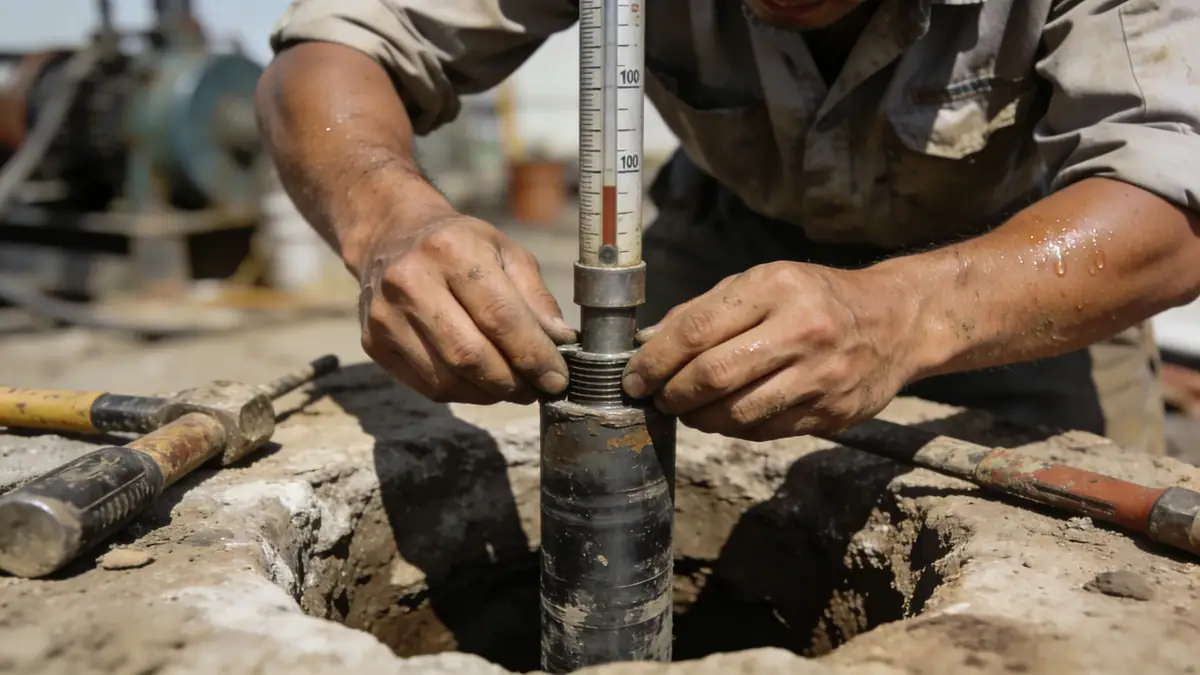
Our methodology in Washington Dc follows ASTM D1586 for standard penetration test (spt) procedures, employing automatic hammers and calibrated equipment to ensure consistent energy delivery. We perform borings at strategically spaced locations to capture the variability of the Coastal Plain and Piedmont deposits. The SPT N-values are corrected for overburden pressure and rod length to obtain N60 values, which are then correlated with soil strength and stiffness parameters. This data informs our geotechnical recommendations for shallow and deep foundations, slope stability, and seismic site classification. For more details on our SPT approach, visit our standard penetration test (spt) page.
Reference Technical Parameters
| Parameter | Reference Value |
|---|---|
| Predominant soil type | Sandy silt to clay with gravel (Coastal Plain); residual silty sand to clay (Piedmont) |
| Maximum seismic acceleration (PGA) | 0.20g to 0.30g (ASCE 7-16, risk-targeted) |
| Typical groundwater level | 2 to 6 meters below grade, varies with season and location |
| Bedrock depth | 0 to 30 meters (Piedmont); >30 meters (Coastal Plain) |
| Typical N60 range | 5 to 40 blows per 300 mm (varies with soil type and depth) |
Local Considerations — Washington Dc
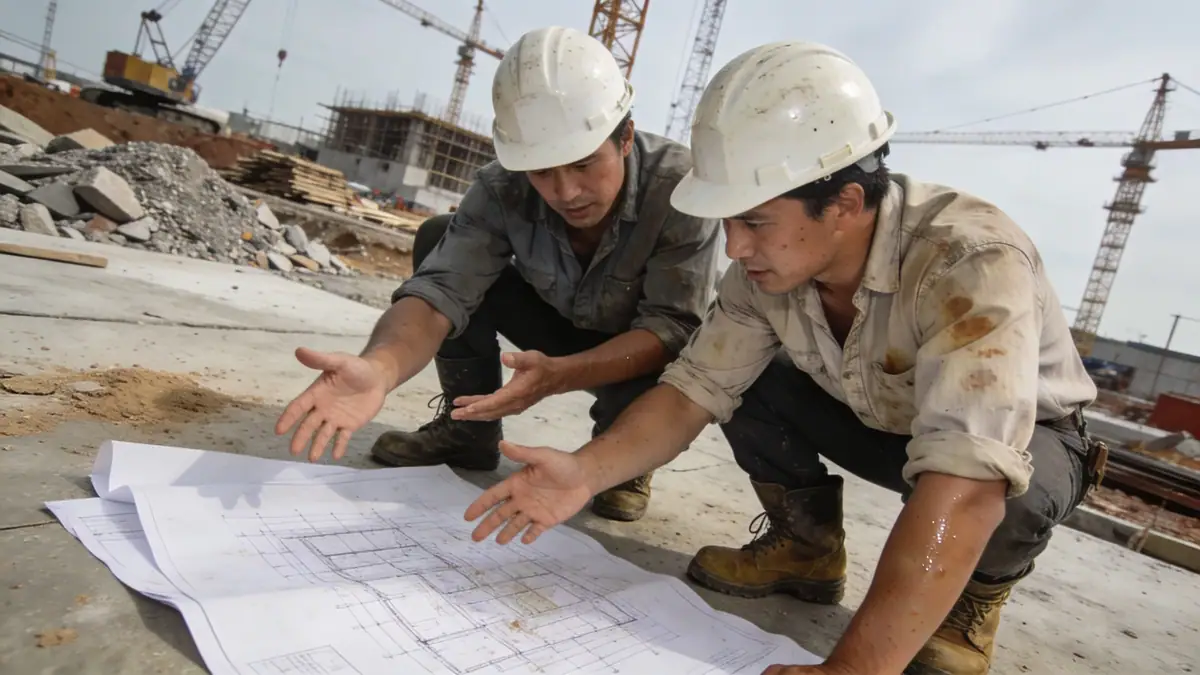
Washington Dc's geology is divided between the Atlantic Coastal Plain (east of the Fall Line) and the Piedmont Plateau (west). Coastal Plain soils are typically layered sands, silts, and clays with variable groundwater levels, requiring careful assessment of liquefaction potential during seismic events. In the Piedmont, residual soils overlie weathered rock, often with irregular bedrock profiles that influence foundation design. Our team has extensive experience navigating these conditions, from the dense urban fill near the National Mall to the more competent soils in upper Northwest. For complementary investigations, we offer cone penetration test (cpt) services to provide continuous subsurface profiling. We also coordinate with local authorities to meet DC's specific permitting and environmental requirements.
Request a Quote
Our team reviews your project and issues an initial report at no cost.
Or write us directly at [email protected]
Services in Washington Dc
Applicable Standards
- ASTM D1586
- ASCE 7-16
- International Building Code (IBC)
- DC Construction Codes (Title 12)
Frequently Asked Questions
What are the typical soil conditions encountered in Washington Dc?
Washington Dc spans two geologic provinces: the Coastal Plain with interbedded sands, silts, and clays, and the Piedmont with residual silty sands and clays over weathered bedrock. Groundwater is generally shallow in the Coastal Plain, while Piedmont sites often have deeper water tables and variable bedrock depths.
How does seismic hazard affect standard penetration test requirements in DC?
Per ASCE 7-16, Washington Dc has a moderate seismic hazard with PGA up to 0.30g. Site-specific SPT data are required to classify the site as A through F, and to evaluate liquefaction potential for sites with shallow groundwater. Our SPT testing provides the N-values needed for these analyses.
Is a geotechnical investigation mandatory for construction in Washington Dc?
Yes, the DC Construction Codes require a geotechnical report for most building permits, especially for structures with seismic design categories B or higher. The report must include SPT borings to characterize subsurface conditions and provide foundation recommendations.