Methodology
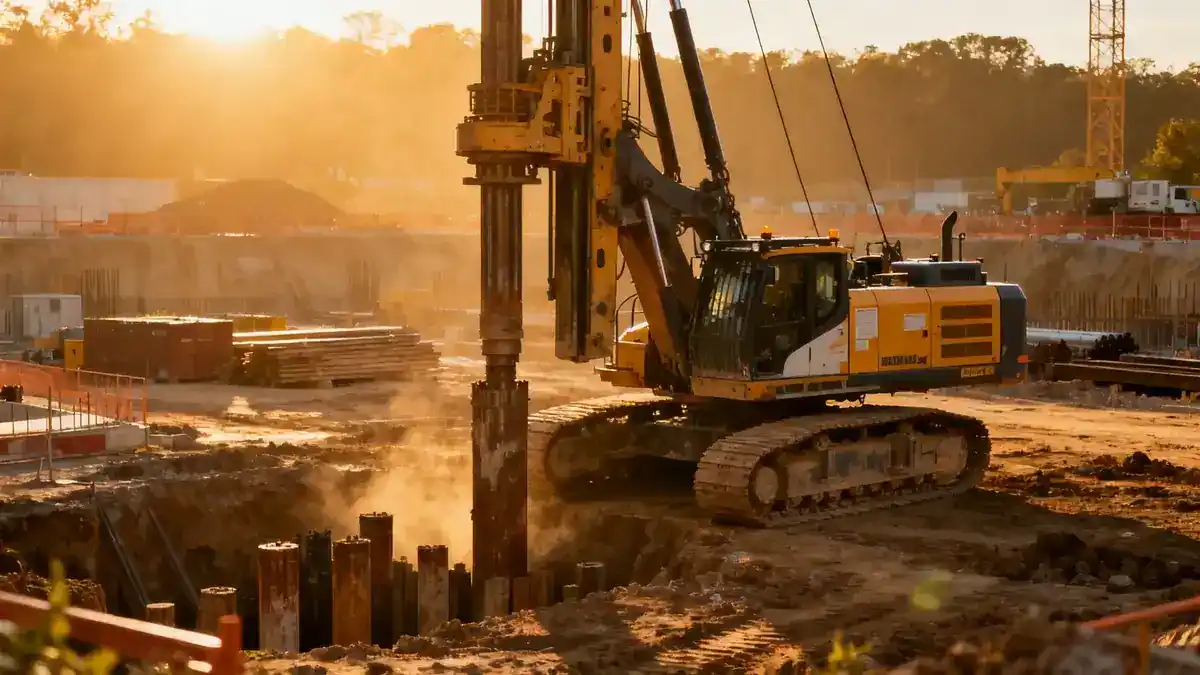
Our methodology for standard penetration testing in Pittsburgh follows ASTM D1586, using a 63.5 kg hammer dropped 760 mm to drive a split-barrel sampler. We record blow counts per 150 mm interval to determine N-values, corrected for energy efficiency (N60) and overburden pressure. Sampling intervals are typically 1.5 m in soil strata, with continuous sampling in critical zones. All tests are supervised by experienced engineers, and data is integrated with our standard penetration test (spt) services to provide comprehensive subsurface profiles.
Reference Technical Parameters
| Parameter | Reference Value |
|---|---|
| Predominant soil type | Glacial till, alluvial sands and gravels, residual clay |
| Maximum seismic acceleration (PGA) | 0.15–0.25 g (ASCE 7-16) |
| Typical groundwater level | 5–15 m below ground surface |
| Bedrock depth | 10–30 m in valleys; shallower on hills |
| Typical N60 range | 10–50 blows/300 mm |
Local Considerations — Pittsburgh
Pittsburgh's geology demands careful adaptation of standard penetration testing. In river valleys, alluvial deposits may require reduced sampling intervals to capture loose sands. Hillside areas often have shallow bedrock, necessitating rock coring after SPT refusal. Seismic site classification per ASCE 7 is critical, as fill and soft soils amplify ground motion. Our team coordinates with local regulations, including Pittsburgh's building code, and references the DPSH dynamic probing method for rapid profiling in cohesive soils. For broader regional context, we align with our standard penetration test en Philadelphia hub to ensure consistency across Pennsylvania projects.
Request a Quote
Our team reviews your project and issues an initial report at no cost.
Or write us directly at [email protected]
Services in Pittsburgh
Applicable Standards
- ASTM D1586
- ASCE 7-16
- International Building Code (IBC)
- Pennsylvania Uniform Construction Code
Frequently Asked Questions
What soil types are most common in Pittsburgh for standard penetration testing?
Pittsburgh predominantly features glacial till, alluvial sands and gravels in river valleys, and residual clay over sedimentary bedrock. SPT N-values vary widely, requiring careful correction for energy efficiency and overburden.
How does seismic site classification affect standard penetration testing in Pittsburgh?
Per ASCE 7, Pittsburgh falls in moderate seismic zones. Soft soils and fill can amplify shaking, making accurate N60 values essential for site class determination (A–F). Our SPT program includes shear wave velocity correlation when needed.
Is standard penetration testing mandatory for all construction projects in Pittsburgh?
While not always mandatory, most commercial and multi-story residential projects require geotechnical investigation per IBC and local codes. SPT is the preferred method for liquefaction assessment and foundation design in variable Pittsburgh soils.