Methodology
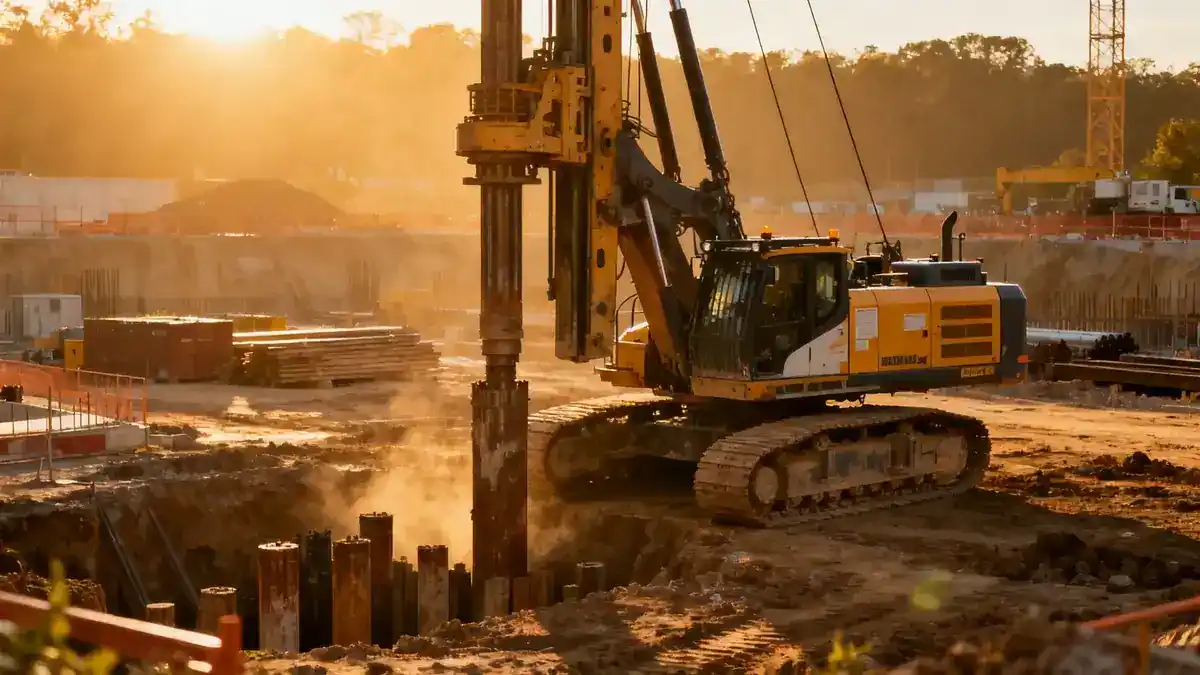
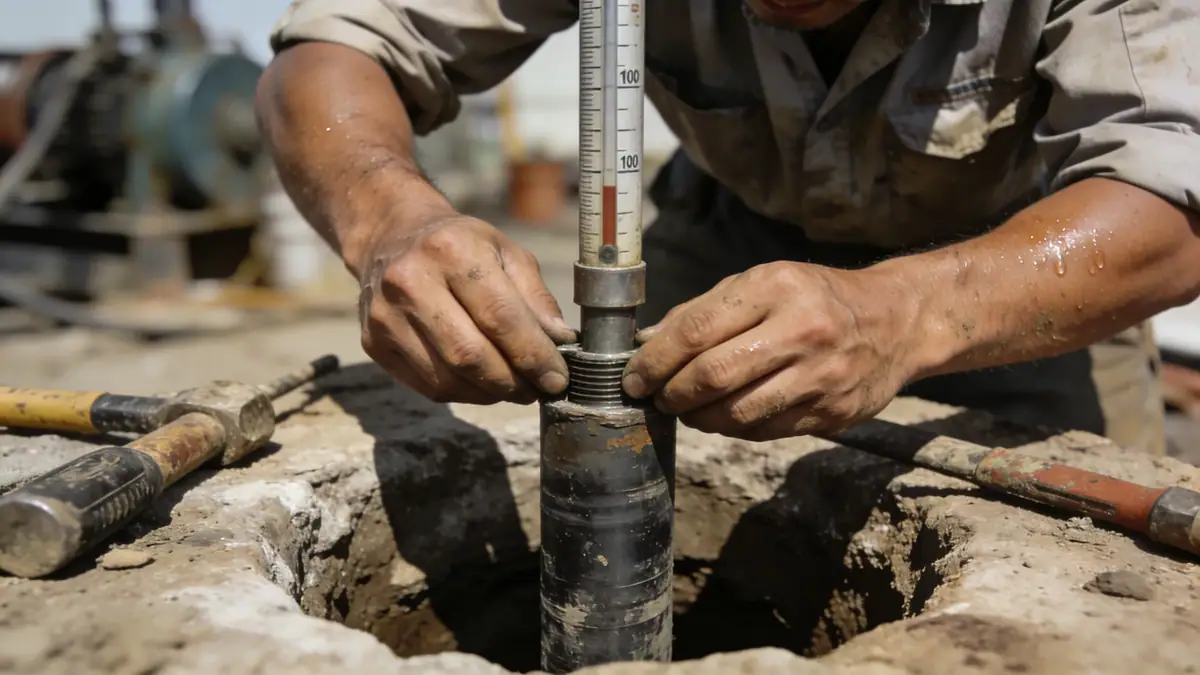
Our methodology for standard penetration test in Cary begins with a site-specific plan based on proposed structure loads and local geology. We perform SPT borings using a safety hammer, recording blow counts per 6-inch interval per ASTM D1586. Samples are retrieved via split-spoon sampler for classification and laboratory testing. Our team ensures continuous monitoring of groundwater levels and refusal conditions. For advanced profiling, we integrate standard penetration test (spt) with geophysical surveys to map bedrock depth and weathered zones. Data analysis includes correction factors for overburden and energy efficiency to derive N60 values for design parameters.
Reference Technical Parameters
| Parameter | Reference Value |
|---|---|
| Predominant soil type | Saprolitic silty sand and clay (SM-ML) |
| Maximum seismic acceleration (PGA) | 0.2g (ASCE 7-16) |
| Typical groundwater level | 5–15 ft below grade |
| Bedrock depth | 20–50 ft (weathered to competent gneiss) |
| Typical N60 range (0–30 ft) | 5–25 blows/ft |
Local Considerations — Cary North Carolina
Cary's geology presents challenges due to erratic weathering patterns and boulders. Our firm addresses these through careful boring layout and refusal criteria. Seismic site classification per ASCE 7-16 is critical, as the region is in seismic design category B with moderate ground motion. We also consider historical fill areas and former agricultural lands. For projects near Jordan Lake or Crabtree Creek, groundwater fluctuations can affect excavation stability. We coordinate with local officials to comply with Cary's stormwater and grading ordinances. Additionally, our team in Philadelphia supports regional projects; see our standard penetration test en Philadelphia for comparative insights.
Request a Quote
Our team reviews your project and issues an initial report at no cost.
Or write us directly at [email protected]
Services in Cary North Carolina
Applicable Standards
- ASTM D1586
- ASCE 7-16
- IBC 2018
- North Carolina Building Code
- Town of Cary Land Development Ordinance
Frequently Asked Questions
What soil types are common in Cary, NC?
Cary is underlain by Piedmont residual soils, primarily silty sands and clays (SM-ML) derived from granite and gneiss. These soils often contain mica and quartz, with variable plasticity and strength. Saprolite extends to depths of 20–50 ft over weathered bedrock.
Is seismic design required in Cary?
Yes, per ASCE 7-16 and the IBC, Cary is in Seismic Design Category B with a mapped PGA of 0.2g. Site-specific SPT data is used to determine soil classification (Site Class C or D) and design response spectrum for seismic analysis.
When is a geotechnical investigation mandatory in Cary?
The Town of Cary requires geotechnical reports for all new commercial buildings, multi-family structures, and subdivisions. Single-family homes on undisturbed sites may be exempt, but SPT is recommended for expansive soils or steep slopes to ensure foundation safety.