Methodology

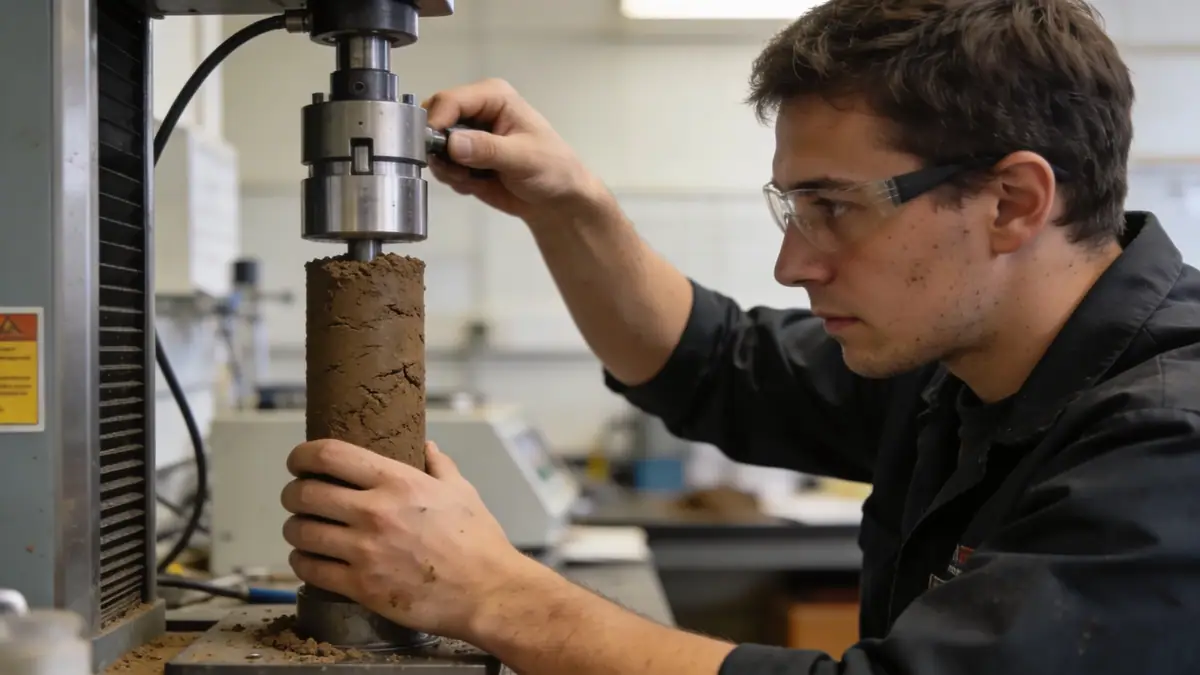
Our standard penetration test (SPT) methodology in Knoxville follows ASTM D1586, with hammer energy measurements verified per ASTM D4633. We perform SPT at 1.5 m intervals to depths of 15–30 m, depending on project requirements. Continuous soil sampling and logging accompany each test, with blow counts (N60) corrected for overburden and energy. Data are used to estimate soil strength, stiffness, and liquefaction potential following standard penetration test (spt) protocols. We also integrate seismic cone data where needed for dynamic analysis.
Reference Technical Parameters
| Parameter | Reference Value |
|---|---|
| Predominant soil type | Alluvial silty sands, clays, and residual soils over limestone/shale bedrock |
| Maximum seismic acceleration (PGA) | 0.15–0.25 g (ASCE 7-16, Site Class C–D) |
| Typical groundwater level | 3–6 m below ground surface |
| Bedrock depth | 10–30 m in valley areas; shallower in uplands |
| Typical N60 range | 5–30 blows/ft (sands); 10–40 blows/ft (clays) |
Local Considerations — Knoxville
Knoxville's geology presents challenges due to variable alluvial deposits and karst-prone limestone. Groundwater levels fluctuate seasonally, affecting soil behavior. Seismic design per ASCE 7-16 requires site-specific SPT data for Site Class determination. Our team coordinates with local geotechnical firms and regulatory bodies. For regional reference, our standard penetration test en Atlanta hub provides additional context for similar Piedmont geology. We also offer cone penetration test (cpt) for continuous profiling in soft soils.
Request a Quote
Our team reviews your project and issues an initial report at no cost.
Or write us directly at [email protected]
Services in Knoxville
Applicable Standards
- ASTM D1586
- ASCE 7-16
- IBC 2021
- Tennessee Department of Transportation (TDOT) Standard Specifications
Frequently Asked Questions
What soil types are commonly encountered in Knoxville?
Knoxville soils include alluvial silty sands, clays, and residual soils derived from weathered limestone and shale. Karst features such as solution cavities may be present, requiring careful SPT logging to identify voids and variable bedrock depths.
Is seismic design required for projects in Knoxville?
Yes, Knoxville is in Seismic Design Category B–C per ASCE 7-16. Site-specific SPT data are used to determine Site Class (C or D) and evaluate liquefaction potential, especially in areas with loose sands and high groundwater.
When is a standard penetration test mandatory in Knoxville?
Local building codes (IBC 2021) require geotechnical investigations for most structures. SPT is commonly mandated for commercial buildings, bridges, and slopes exceeding 3 m in height to characterize soil strength and settlement parameters.