Methodology
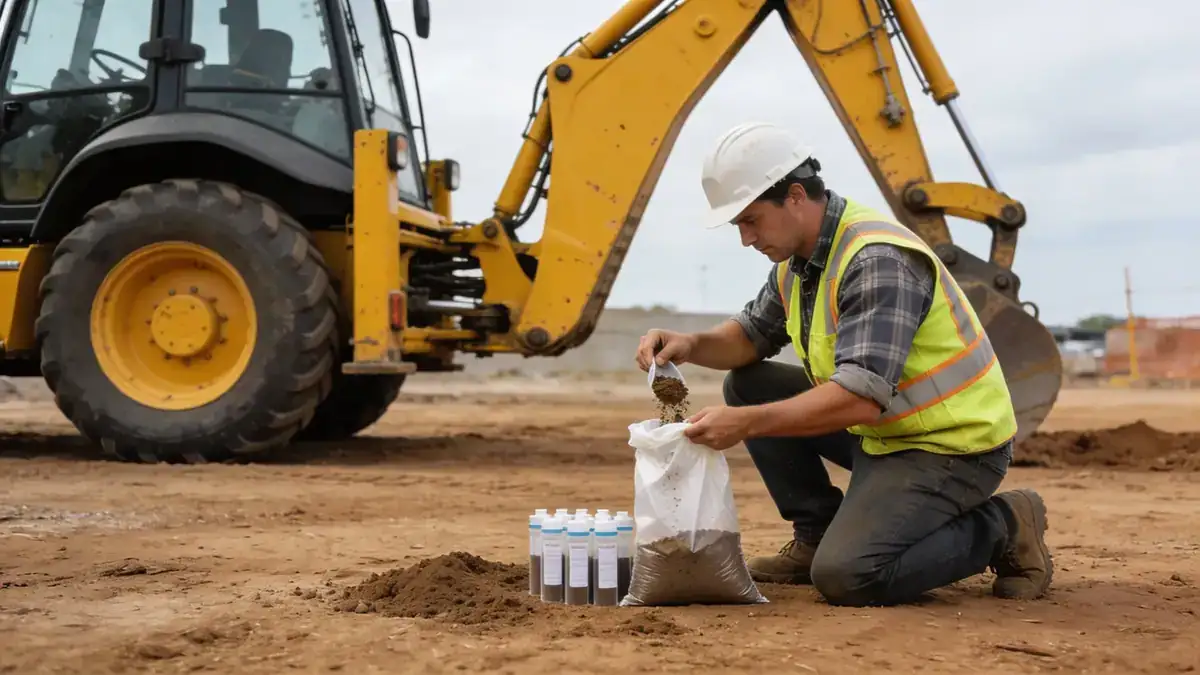
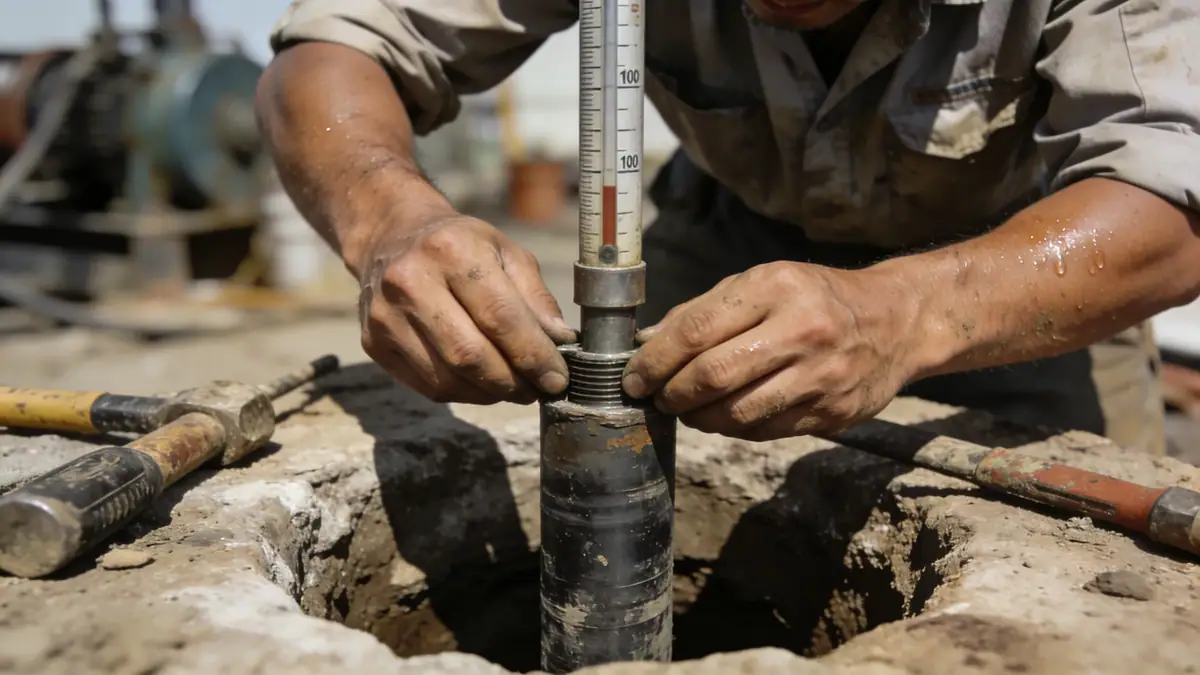
Our standard penetration test (SPT) methodology in Greensboro follows ASTM D1586, using a 63.5 kg hammer dropped 760 mm to drive a split-barrel sampler. We perform tests at 1.5 m intervals or at every change of stratum, recording blow counts for each 150 mm increment. Samples are retrieved for visual classification and laboratory testing. For continuous profiling, we also offer cone penetration test (cpt) services. Our equipment is calibrated regularly to ensure accurate N60 values, which are corrected for overburden pressure and hammer efficiency. This systematic approach provides consistent, high-quality data for geotechnical design.
Reference Technical Parameters
| Parameter | Reference Value |
|---|---|
| Predominant soil type | Residual silty sands and sandy silts (SM, ML) |
| Maximum seismic acceleration (PGA) | 0.15g (ASCE 7, Site Class C) |
| Typical groundwater level | 10-15 m below surface (variable) |
| Bedrock depth | 5-20 m (weathered rock zone) |
| Typical N60 range | 10-40 blows/ft (corrected) |
Local Considerations — Greensboro
Greensboro's geology presents unique challenges: residual soils over weathered bedrock require careful interpretation of SPT blow counts due to cobbles and boulders. Seismic design per ASCE 7 Site Class C or D demands site-specific response spectra, with PGA up to 0.15g. Groundwater is generally deep but can be perched in clay layers. Our team has extensive experience across Greensboro neighborhoods—from downtown high-rises to suburban developments—and can adapt testing programs accordingly. For broader regional projects, we also offer standard penetration test en Atlanta services, leveraging our Piedmont expertise.
Request a Quote
Our team reviews your project and issues an initial report at no cost.
Or write us directly at [email protected]
Services in Greensboro
Applicable Standards
- ASTM D1586
- ASCE 7
- IBC 2021
- City of Greensboro Unified Development Ordinance
Frequently Asked Questions
What soil types are typically encountered in Greensboro?
Greensboro primarily has residual soils from weathered granite and gneiss, classified as silty sands (SM) and sandy silts (ML). These soils often contain mica and can be variable in density, with N60 values ranging from 10 to 40 blows per foot.
How does seismic design affect standard penetration testing in Greensboro?
Greensboro is in Seismic Design Category B or C per IBC, with PGA of 0.15g. SPT data is used to determine Site Class (C or D) per ASCE 7, influencing foundation design. Liquefaction potential is low due to deep groundwater, but testing must account for soil stiffness.
Is standard penetration testing required for all projects in Greensboro?
The City of Greensboro requires geotechnical investigations for most commercial and residential structures, especially those with deep foundations or in areas with variable soil conditions. SPT is the preferred method for obtaining soil strength and stratification data.