Methodology
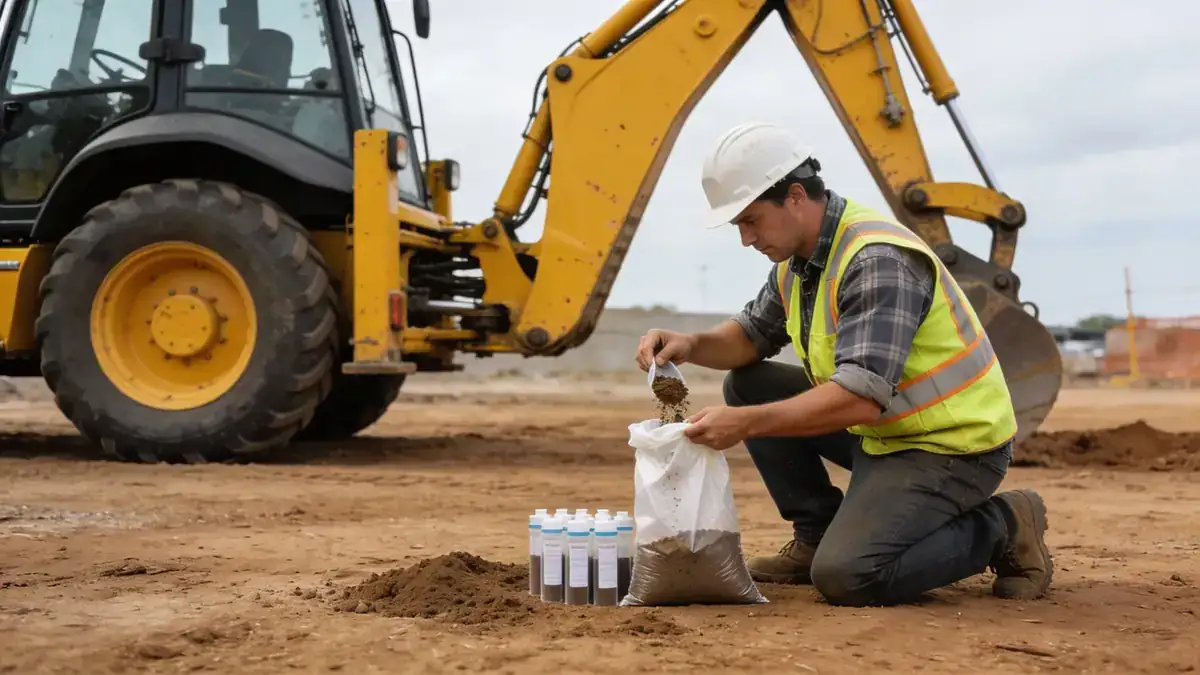
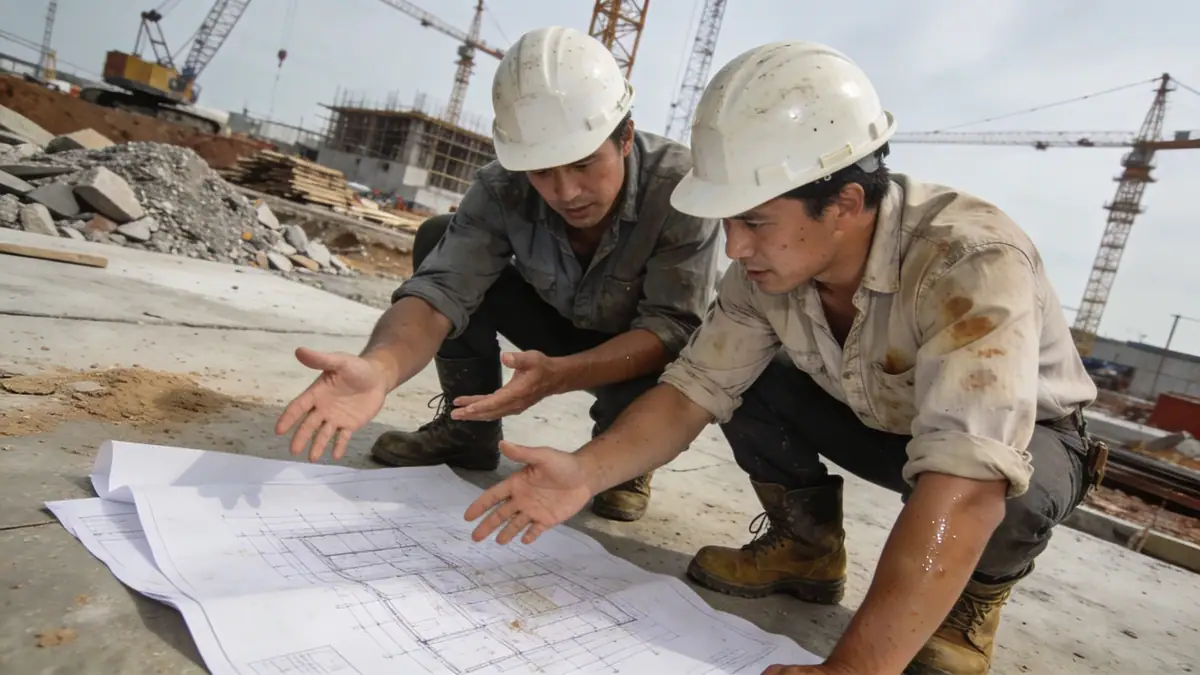
Our methodology for standard penetration test in Tallahassee follows ASTM D1586, employing a 63.5 kg hammer dropped 760 mm to drive a split-barrel sampler. We record blow counts per 150 mm increment to determine N-values, which are corrected for overburden and hammer efficiency to obtain N60. Sampling intervals are typically every 1.5 m, with continuous sampling in critical zones. Our field crews use truck-mounted drill rigs capable of reaching depths up to 30 m, depending on soil conditions. All equipment is calibrated annually, and data is reviewed by senior geotechnical engineers. For additional subsurface characterization, we also offer cone penetration test (cpt) services in Tallahassee.
Reference Technical Parameters
| Parameter | Reference Value |
|---|---|
| Predominant soil type | Sands, silty sands, and clays (SC, SM, CL) |
| Maximum seismic acceleration (PGA) | 0.10g (ASCE 7-16, Site Class D) |
| Typical groundwater level | 2-5 m below ground surface |
| Bedrock depth | >30 m (sedimentary basin) |
| Typical N60 range | 5-30 blows/300 mm |
Local Considerations — Tallahassee
Tallahassee's geology is dominated by the Woodville Karst Plain, with sands, clays, and limestone near the surface. High groundwater levels (2-5 m) require dewatering considerations for excavations. Seismic design per ASCE 7-16 uses PGA of 0.10g for Site Class D. Soil variability across the city—from cohesive clays in the northeast to loose sands in the south—demands site-specific SPT programs. Common challenges include collapsing soils and differential settlement. Our team coordinates with local authorities to ensure boring permits and traffic control. For deeper investigations, we utilize dpsh dynamic probing to complement SPT data. Our hub in Atlanta provides regional support for complex projects: standard penetration test en Atlanta.
Request a Quote
Our team reviews your project and issues an initial report at no cost.
Or write us directly at [email protected]
Services in Tallahassee
Applicable Standards
- ASTM D1586
- ASCE 7-16
- Florida Building Code (7th Edition, 2023)
- ASTM D2488 (Soil Description)
- ASTM D4220 (Sample Preservation)
Frequently Asked Questions
What soil types are commonly encountered during standard penetration test in Tallahassee?
Typical soils include poorly graded sands (SP), silty sands (SM), and low-plasticity clays (CL). The presence of limestone and karst features can cause erratic N-values. Our SPT programs identify these variations to inform foundation design.
Does the Florida Building Code require standard penetration test for all projects in Tallahassee?
Yes, for most commercial and multi-family residential projects. The FBC mandates subsurface exploration per Chapter 18, with SPT being the primary method for soil classification and bearing capacity determination. Exceptions exist for minor structures.
How does seismic design affect standard penetration test requirements in Tallahassee?
Tallahassee is in Seismic Design Category B per ASCE 7-16. SPT N-values are used to determine Site Class (A-E) and calculate soil amplification factors. For liquefaction assessment, additional SPT borings to 30 m depth may be required in loose sand layers.