Methodology

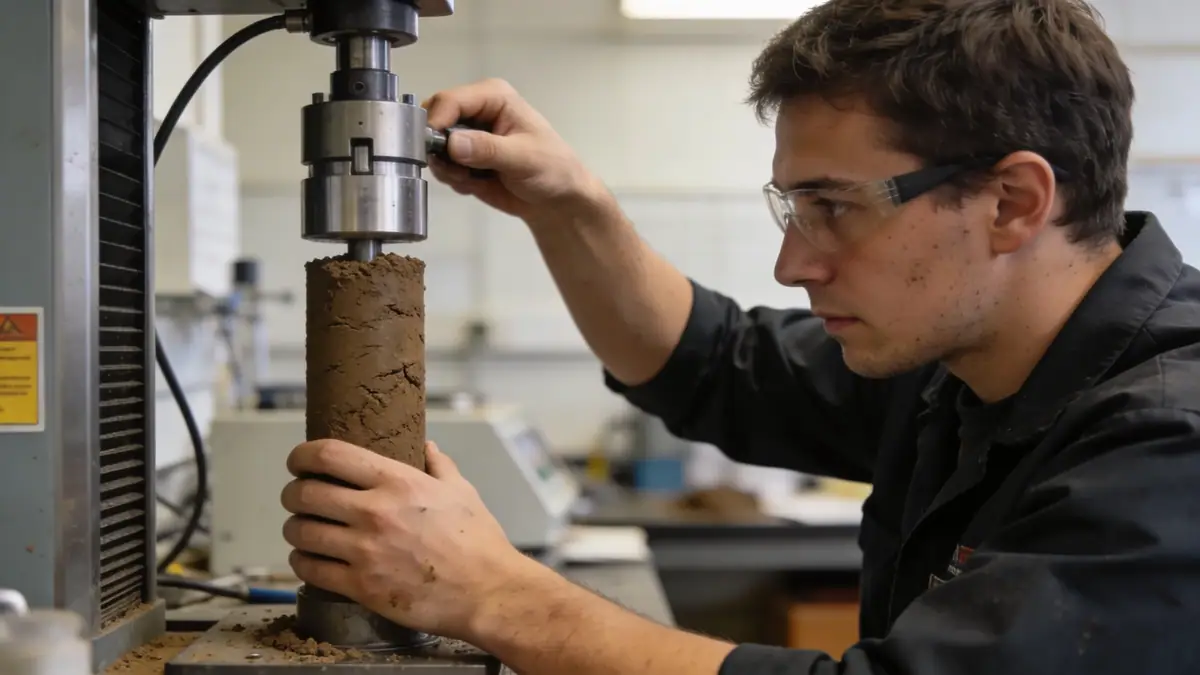
Our methodology for standard penetration test in Memphis follows strict ASTM D1586 protocols, employing automatic hammers and calibrated equipment to ensure consistent N60 values. We integrate these results with advanced laboratory testing, including grain size analysis and Atterberg limits, to develop comprehensive soil profiles. For projects requiring continuous subsurface data, we complement SPT with cone penetration test (cpt) soundings, providing high-resolution stratigraphy. Our field procedures emphasize safety and accuracy, with samplers advanced at 1.0 to 1.5 m intervals to capture variations in the loess and alluvial deposits typical of the region.
Reference Technical Parameters
| Parameter | Reference Value |
|---|---|
| Predominant soil type | Loess (silty) over alluvial sand and clay |
| Maximum seismic acceleration (PGA) | 0.25g (ASCE 7-16, Site Class D) |
| Typical groundwater level | 3–6 m below surface (shallow near river) |
| Bedrock depth | Variable, 15–30 m (Paleozoic limestone) |
| Typical N60 range | 5–15 (loess), 10–30 (alluvial sands) |
Local Considerations — Memphis
Memphis sits atop deep loess deposits that are prone to collapse when wetted, requiring careful evaluation for foundation design. The shallow groundwater table in areas near the Mississippi River can complicate excavations and necessitate dewatering. Seismic risk is moderate, with peak ground accelerations up to 0.25g according to ASCE 7-16, demanding site-specific response analysis. Our firm’s experience includes projects in the Medical District and the fast-growing Cordova suburbs, where variable alluvial sequences require detailed dpsh dynamic probing to assess bearing capacity. For clients comparing regional options, our standard penetration test en Atlanta hub provides additional context for southeastern U.S. geotechnical conditions.
Request a Quote
Our team reviews your project and issues an initial report at no cost.
Or write us directly at [email protected]
Services in Memphis
Applicable Standards
- ASTM D1586
- ASCE 7-16
- IBC 2021
- Memphis and Shelby County Unified Development Code
Frequently Asked Questions
What are the typical soil conditions encountered in Memphis?
Memphis soils consist primarily of loess (wind-deposited silt) overlying alluvial sands, silts, and clays from the Mississippi River. Bedrock is typically Paleozoic limestone at depths of 15 to 30 meters. Groundwater levels vary from 3 to 6 meters, depending on proximity to rivers.
Is a standard penetration test required for seismic design in Memphis?
Yes, the Memphis area is classified as Seismic Design Category D per ASCE 7-16 due to moderate earthquake risk from the New Madrid Seismic Zone. SPT data is essential for determining site class and performing liquefaction assessments, which are mandatory for most commercial structures.
How does the loess soil in Memphis affect foundation design?
Loess is a collapsible soil that loses strength when saturated. Foundations must be designed to account for potential differential settlement, often requiring deep foundations or soil improvement. SPT provides critical N60 values to evaluate loess density and collapse potential.