Methodology
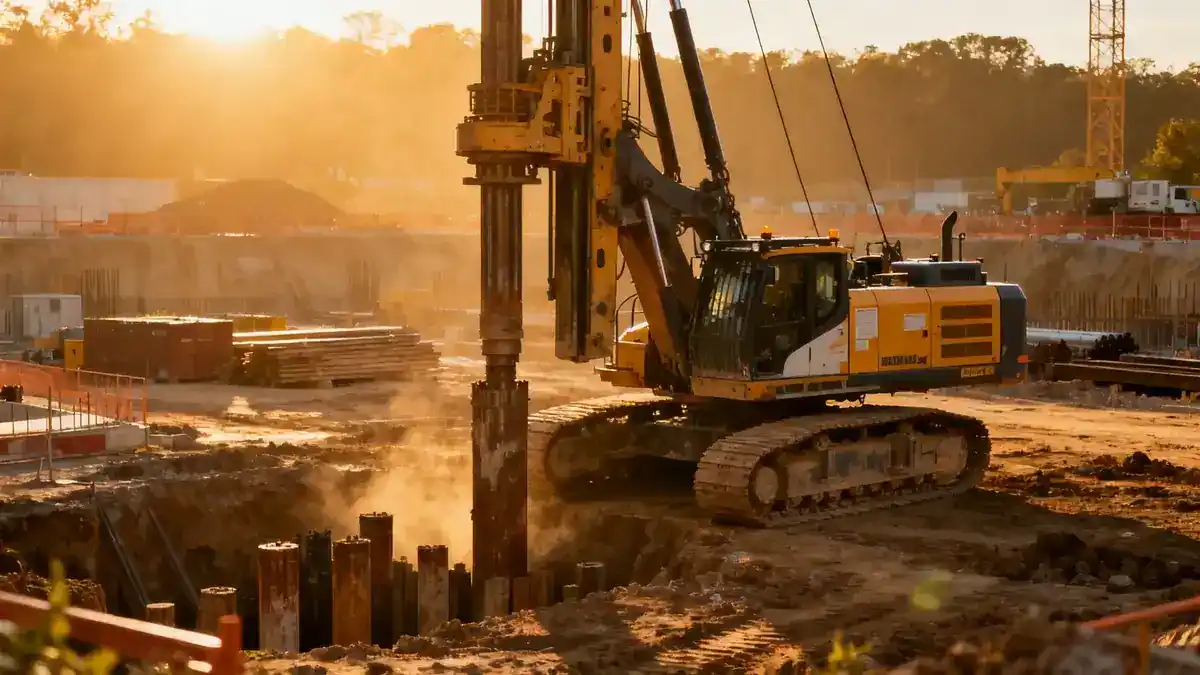
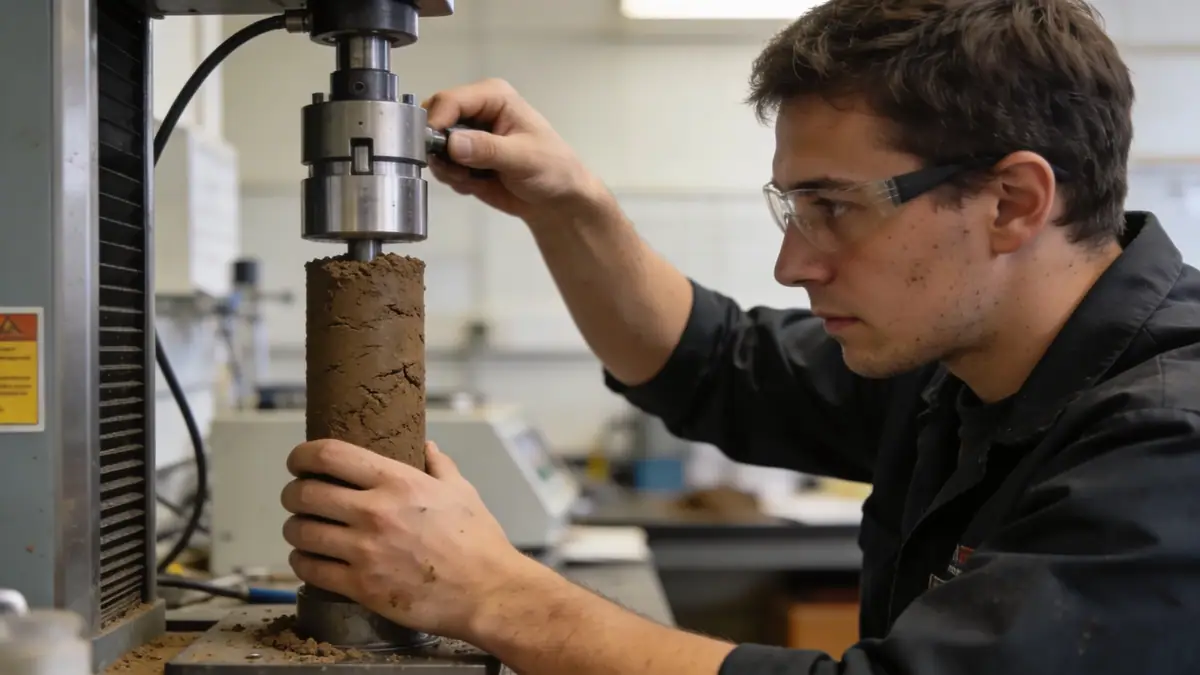
Our methodology for standard penetration test in Jacksonville follows ASTM D1586, with hammer energy calibration and split-barrel sampling at 1.5-meter intervals. We integrate continuous soil logging and groundwater monitoring to characterize the prevalent sand and clay layers. The data, including N-values corrected for overburden and energy efficiency, informs bearing capacity and settlement analyses. For complementary data, we often recommend cone penetration test (cpt) to obtain continuous stratigraphic profiles.
Reference Technical Parameters
| Parameter | Reference Value |
|---|---|
| Predominant soil type | Sand with interbedded clay layers |
| Maximum seismic acceleration (PGA) | 0.18g (ASCE 7-16, Site Class D) |
| Typical groundwater level | 1.5–3.0 m below ground surface |
| Bedrock depth | >30 m (sedimentary basin) |
| Typical N60 range | 5–30 blows/0.3 m |
Local Considerations — Jacksonville
Jacksonville's geology consists of Holocene and Pleistocene sands overlying the Hawthorne Group clays. The high water table, often within 2 m, complicates excavations and requires dewatering plans. Seismic site classification per ASCE 7-16 typically yields Site Class D (stiff soil) with PGA of 0.18g. Downtown areas may have fill or organic layers, while suburban developments often encounter loose sands requiring ground improvement. Our team coordinates with local building officials to ensure compliance with Florida Building Code Chapter 18. For deeper investigations, we reference standard penetration test (spt) procedures adapted to these conditions. Additionally, our expertise extends to dpsh dynamic probing for rapid profiling of shallow foundations.
Request a Quote
Our team reviews your project and issues an initial report at no cost.
Or write us directly at [email protected]
Services in Jacksonville
Applicable Standards
- ASTM D1586
- ASCE 7-16
- Florida Building Code (7th Edition, 2023)
- ASTM D2487 (Unified Soil Classification System)
Frequently Asked Questions
What are the typical soil conditions encountered during standard penetration testing in Jacksonville?
Jacksonville's subsurface is dominated by fine to medium sands, often with interbedded clay and silt layers. The water table is shallow, typically 1.5–3 m deep. N-values range from 5 to 30 blows per 0.3 m, indicating loose to medium dense sands. Organic deposits may be present near waterways.
How does seismic design affect standard penetration test requirements in Jacksonville?
Jacksonville lies in Seismic Design Category B per ASCE 7-16, with a maximum considered earthquake spectral acceleration of 0.18g for Site Class D. SPT N-values are used to determine site class and liquefaction potential, especially for projects with deep foundations or critical infrastructure.
Is standard penetration testing mandatory for all construction projects in Jacksonville?
The Florida Building Code requires geotechnical investigations for most structures, but the scope varies. For single-family homes, a limited SPT program may suffice, while commercial buildings typically need borings to 30 m. Local jurisdictions may have additional requirements for coastal or flood-prone areas.