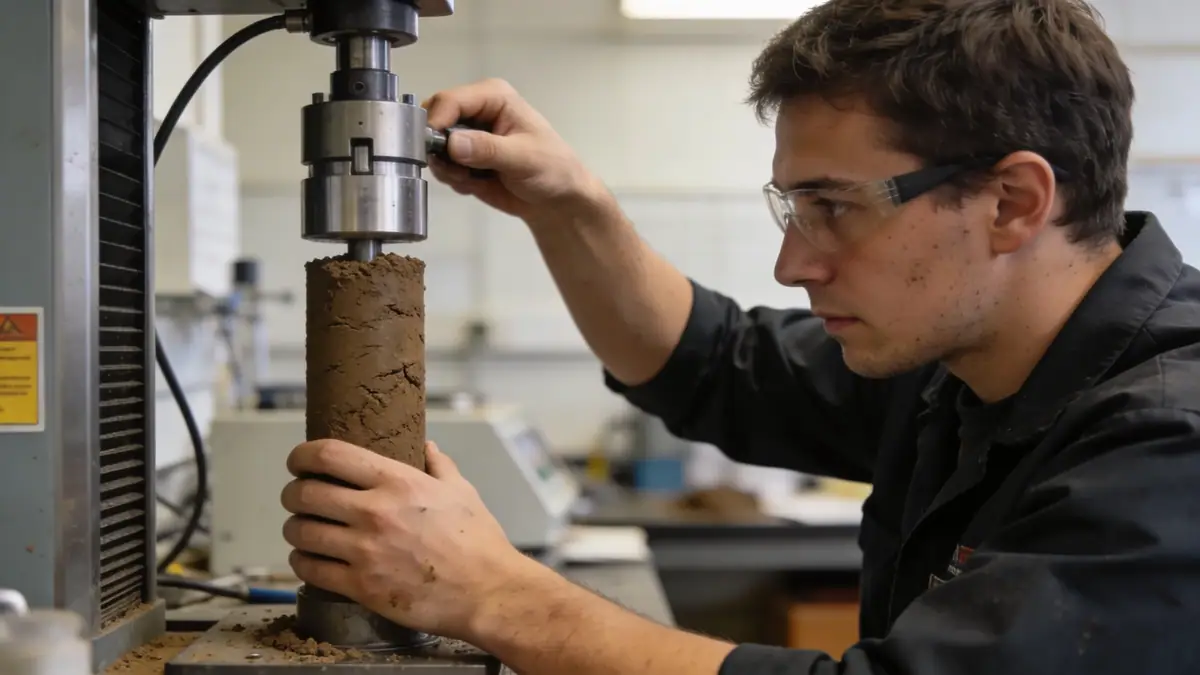
Methodology
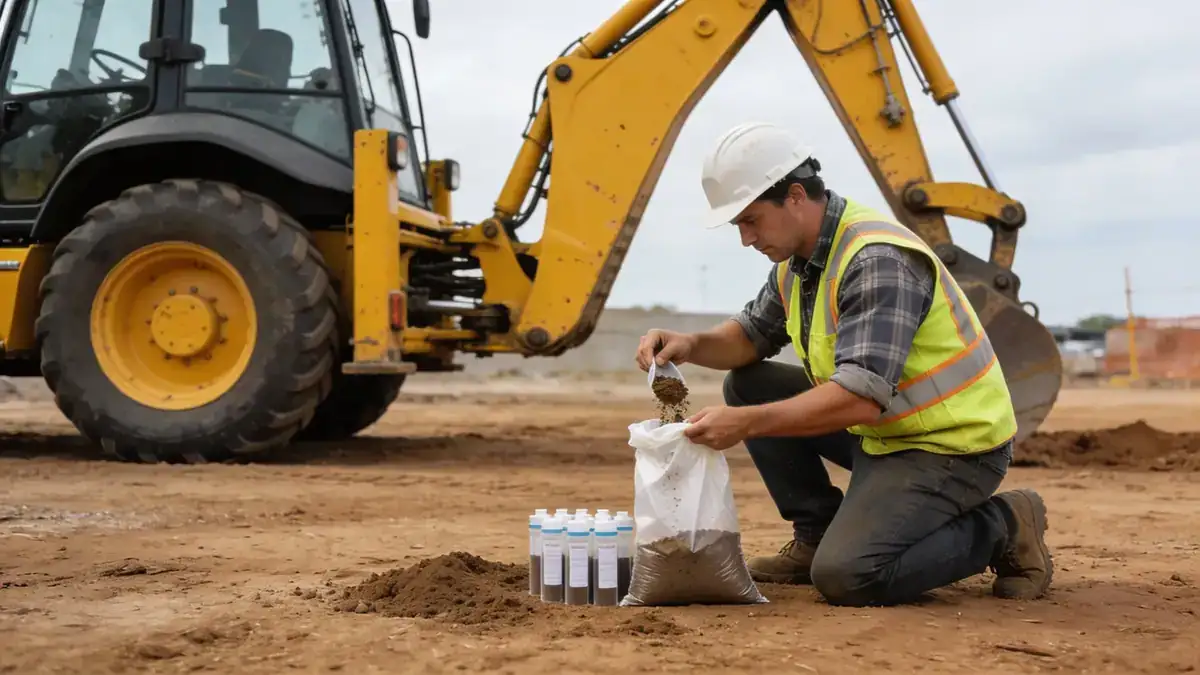
Our methodology for standard penetration testing in Manchester, New Hampshire, follows ASTM D1586, using a 63.5 kg hammer dropped 76 cm to drive a split-spoon sampler. We record blow counts (N-value) at intervals of 1.5 m or as needed, with continuous sampling in variable soils. This approach provides reliable data on soil density, stratification, and groundwater levels. For deeper or more detailed profiles, our team also offers cone penetration test (cpt) and dpsh dynamic probing services, ensuring comprehensive subsurface characterization for any project scale.
Reference Technical Parameters
| Parameter | Reference Value |
|---|---|
| Predominant soil type | Glacial till, sand, gravel, and occasional clay lenses |
| Maximum seismic acceleration (PGA) | 0.15–0.20 g (ASCE 7, Site Class C/D) |
| Typical groundwater level | 3–8 m below surface, varies seasonally |
| Bedrock depth | 10–30 m (metamorphic bedrock) |
| Typical N60 range | 10–40 blows/0.3 m (cohesionless soils) |
Local Considerations — Manchester New Hampshire
Manchester's geology is dominated by glacial deposits from the last ice age, with the Merrimack River valley filled with stratified sands and gravels. Downtown areas often have higher groundwater levels, requiring dewatering considerations. Seismic design per ASCE 7 is required, with Site Class C or D common. Our team has extensive experience adapting standard penetration testing methods to local conditions, including variable fill in former industrial zones. For broader regional context, see our standard penetration test en New York hub, which covers similar glacial and seismic challenges.
Request a Quote
Our team reviews your project and issues an initial report at no cost.
Or write us directly at [email protected]
Services in Manchester New Hampshire
Applicable Standards
- ASTM D1586
- ASCE 7
- IBC (International Building Code)
- New Hampshire Building Code
Frequently Asked Questions
What are the typical soil conditions encountered in Manchester, NH?
Manchester soils are predominantly glacial till, sand, and gravel, with occasional clay lenses. Bedrock (metamorphic) is typically found at depths of 10–30 m. Groundwater levels range from 3–8 m, influenced by the Merrimack River and seasonal precipitation.
Is seismic design required for projects in Manchester?
Yes, per ASCE 7 and the New Hampshire Building Code, seismic design is required. Manchester falls in a moderate seismic zone with peak ground accelerations of 0.15–0.20 g, depending on site class. Standard penetration test data helps determine site class and liquefaction potential.
Are geotechnical studies mandatory for construction in Manchester?
While not explicitly required for all projects, most building permits in Manchester necessitate a geotechnical report, especially for commercial and multi-family structures. The local building official may require subsurface investigation to verify design parameters.