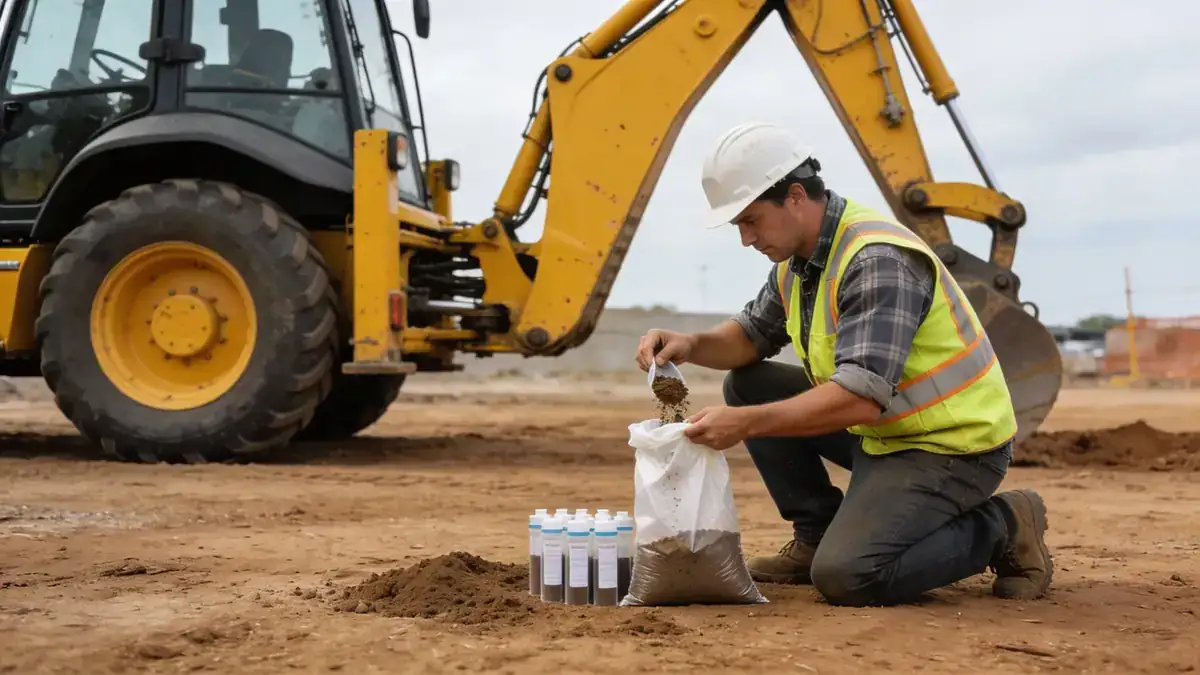
Methodology
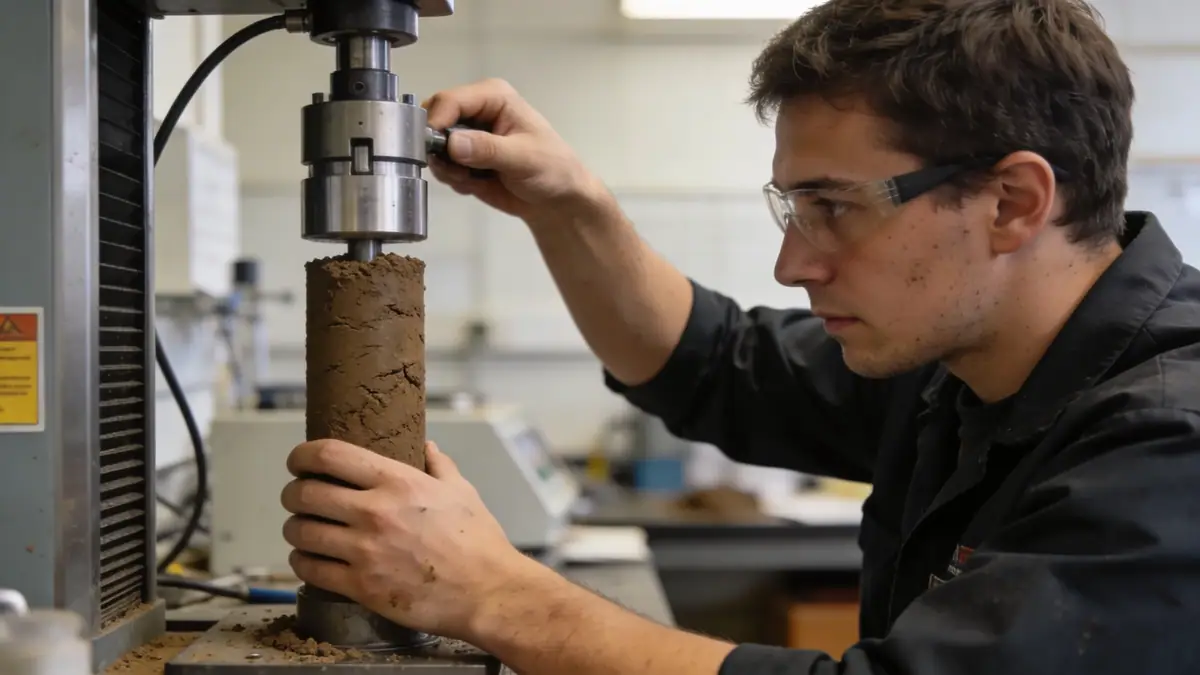
Our standard penetration test methodology follows ASTM D1586, employing a 63.5 kg hammer with a 76 cm drop to drive a split spoon sampler. We document blow counts (N-value) at 1.5 m intervals, with continuous sampling in critical strata. For deeper investigations, we integrate cone penetration test (cpt) to obtain continuous profiles. Our rigs are calibrated monthly, and energy measurements are recorded to correct N60 values. All data is processed in accordance with Boston's building code requirements, providing clients with actionable subsurface parameters.
Reference Technical Parameters
| Parameter | Reference Value |
|---|---|
| Predominant soil type | Glacial till, marine clay (Boston Blue Clay), fill |
| Maximum seismic acceleration (PGA) | 0.20g (ASCE 7-16, Site Class C) |
| Typical groundwater level | 2–5 m below grade |
| Bedrock depth | 30–60 m in central Boston; shallower in suburbs |
| Typical N60 range | 5–15 in clay; 20–50 in till |
Local Considerations — Boston
Boston's subsurface is characterized by glacial till, sensitive marine clays (Boston Blue Clay), and variable fill. The water table is shallow, often within 3 m of the surface, requiring dewatering considerations. Seismic design per ASCE 7-16 places Boston in Seismic Design Category B, with Site Class D typical. Our team has extensive experience in Back Bay (deep fill over clay) and the Seaport District (soft ground). For projects requiring detailed soil characterization, we recommend our dpsh dynamic probing service to complement SPT data. We also coordinate with local geotechnical firms for regional insights.
Request a Quote
Our team reviews your project and issues an initial report at no cost.
Or write us directly at [email protected]
Services in Boston
Applicable Standards
- ASTM D1586
- ASCE 7-16
- Boston Building Code (780 CMR)
- Massachusetts State Building Code (9th Edition)
Frequently Asked Questions
What are the typical soil conditions in Boston for SPT?
Boston's soils are predominantly glacial till, marine clay (Boston Blue Clay), and fill. The till is dense, with N60 values of 20–50, while the clay is soft to medium stiff, with N60 values of 5–15. Fill is variable and may contain cobbles.
How does seismic design affect SPT requirements in Boston?
Boston is in Seismic Design Category B per ASCE 7-16. SPT data is used to determine Site Class (typically C or D) and to evaluate liquefaction potential in sandy layers. N60 values are corrected for overburden and energy to compute cyclic resistance.
Is SPT mandatory for building permits in Boston?
Yes, the Boston Building Code requires geotechnical investigations for most structures. SPT is the standard method for subsurface characterization, especially for deep foundations and seismic design. Our reports comply with 780 CMR requirements.