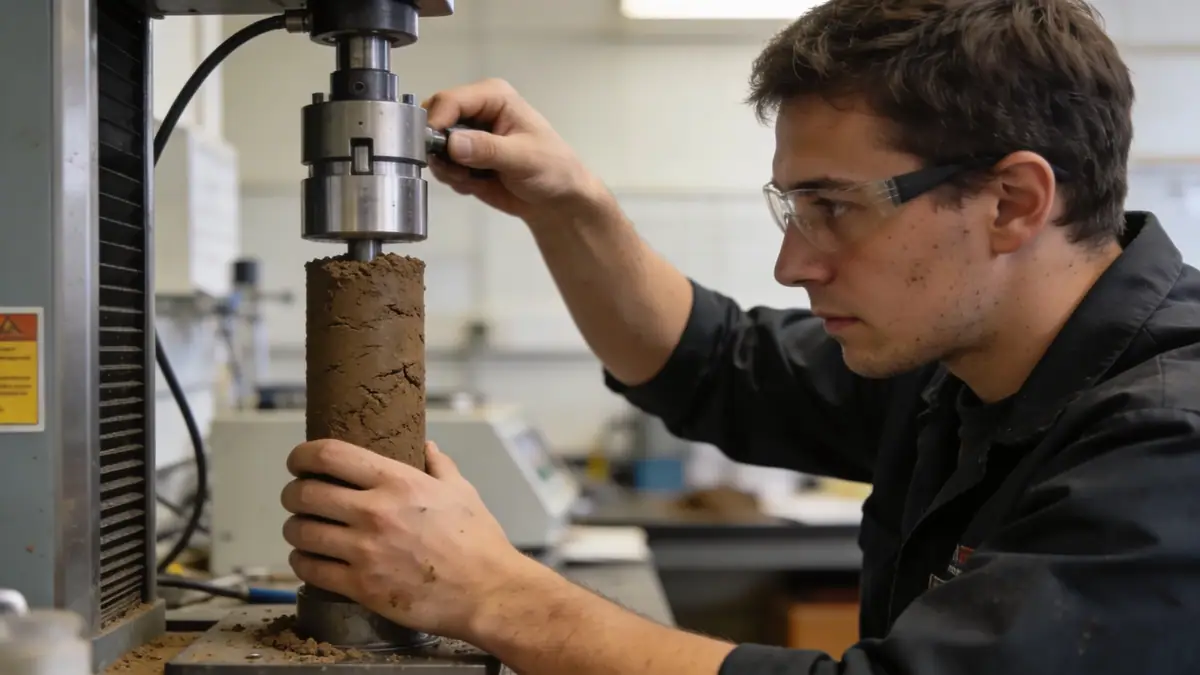
Methodology
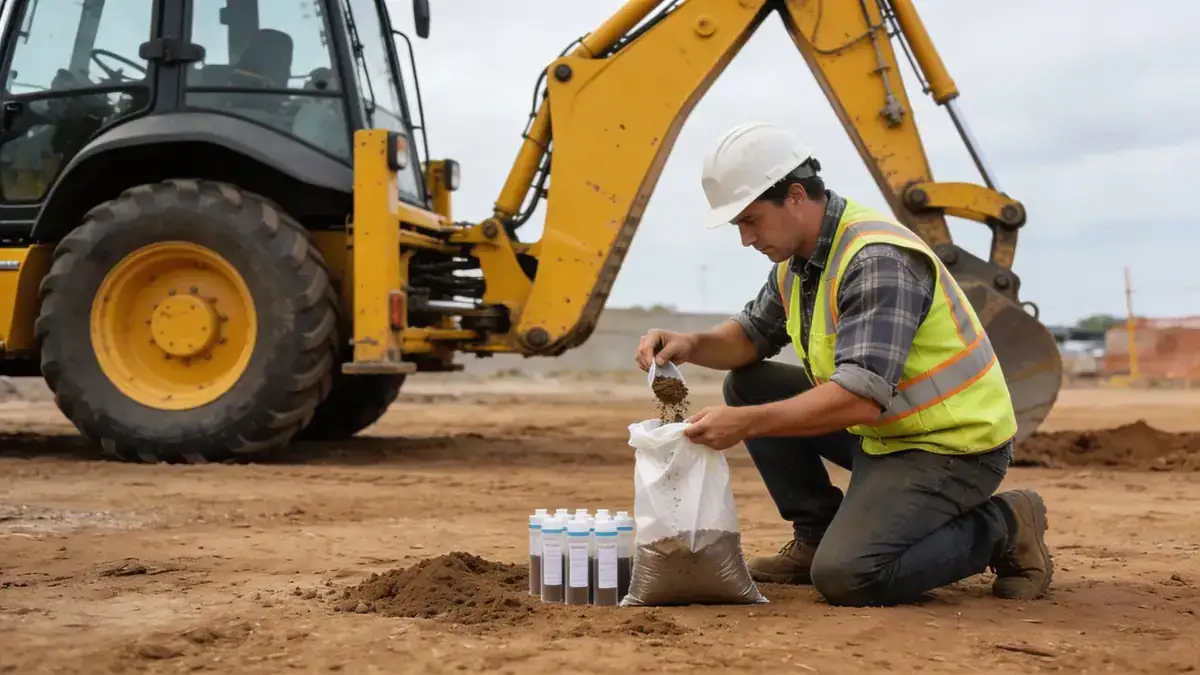
Our methodology for standard penetration test (spt) in Jersey City follows ASTM D1586, with split-spoon sampling at 1.5 m intervals to capture stratigraphic changes. We deploy truck-mounted drills for access in tight urban lots and use mud rotary techniques through granular soils below the water table. Energy measurements are taken to correct N values to N60 for consistent analysis. Data is integrated with our standard penetration test (spt) workflow, ensuring traceability from field logs to final reports.
Reference Technical Parameters
| Parameter | Reference Value |
|---|---|
| Predominant soil type | Glacial till, sand, silt, and fill |
| Maximum seismic acceleration (PGA) | 0.2–0.3 g (IBC 2021) |
| Typical groundwater level | 2–5 m below ground surface |
| Bedrock depth | 20–40 m (diabase / shale) |
| Typical N60 range | 5–30 (fill and sand); >50 (till) |
Local Considerations — Jersey City
Jersey City's geology is shaped by glaciation and urban fill. The Hackensack River and Hudson River borders leave much of the city underlain by soft clays and organic silts, often with high groundwater. Seismic site class is typically D or E per ASCE 7-22, requiring site-specific response analysis for structures in Zones 3–4. Neighborhoods like Downtown and Journal Square feature deeper fill sequences, while the Heights and Greenville expose glacial till closer to surface. Our team coordinates with local permitting agencies for safe access. For broader context, see our standard penetration test en New York page.
Request a Quote
Our team reviews your project and issues an initial report at no cost.
Or write us directly at [email protected]
Services in Jersey City
Applicable Standards
- ASTM D1586
- ASCE 7-22
- IBC 2021
- New Jersey Building Code (NJAC 5:23)
Frequently Asked Questions
What are the typical soil conditions in Jersey City for SPT?
Soils vary widely: urban fill (sand, rubble) up to 5 m, underlain by glacial till (dense sand and gravel) or soft estuarine deposits. Groundwater is often shallow, at 2–5 m depth. Bedrock (diabase or shale) is encountered at 20–40 m.
Does Jersey City require seismic site classification for standard penetration test data?
Yes. Per ASCE 7-22 and the New Jersey Building Code, seismic site class must be determined via N60 values from SPT. Site class D or E is common, requiring site-specific ground motion analysis for most structures.
Is standard penetration testing mandatory for foundation design in Jersey City?
While not always mandatory for small residential projects, most commercial and multi-story buildings require a geotechnical report with SPT data. Local codes reference IBC 2021, which mandates subsurface exploration.