Methodology

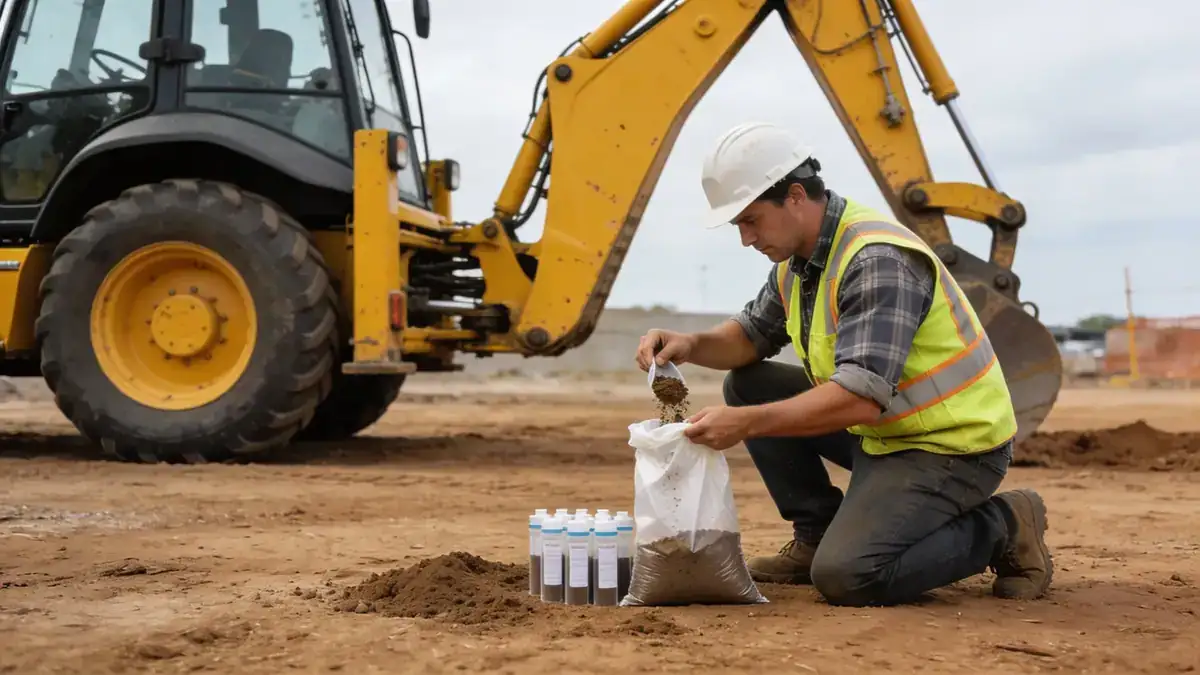
Our standard penetration test (SPT) methodology strictly adheres to ASTM D1586, employing a 63.5 kg hammer dropped 760 mm to drive a split-barrel sampler. In Salt Lake City's variable soil conditions, we adjust drilling techniques—using mud rotary for cohesionless sands and continuous flight augers for cohesive clays. Energy correction factors (ERi) are applied to normalize N-values to 60% efficiency, accounting for hammer type and anvil condition. Boring logs record blow counts at 1.5 m intervals, with continuous sampling in critical zones. Data is integrated with cone penetration test (cpt) readings when required for detailed stratigraphic profiling.
Reference Technical Parameters
| Parameter | Reference Value |
|---|---|
| Predominant soil type | Glacial till, alluvial sand and gravel, lacustrine clay |
| Maximum seismic acceleration (PGA) | 0.4g (ASCE 7-16, Site Class D) |
| Typical groundwater level | 3 to 15 m below grade |
| Bedrock depth | 30 to 150 m (Wasatch Fault zone) |
| Typical N60 range | 5 to 50 blows/0.3 m |
Local Considerations — Salt Lake City
Salt Lake City's geology is dominated by Pleistocene Lake Bonneville deposits—silts and clays with high plasticity—overlying glacial till and alluvial fans from the Wasatch Range. The shallow groundwater table (3–15 m) necessitates dewatering or casing during SPT borings. Seismic hazard is high due to the Wasatch Fault, requiring site-specific response analyses per ASCE 7. Downtown areas exhibit fill and buried channels, while bench areas have stiff colluvium. Typical projects include high-rises requiring deep foundations and residential slabs on expansive clay. For regional operations, our team also provides standard penetration test en Denver services.
Request a Quote
Our team reviews your project and issues an initial report at no cost.
Or write us directly at [email protected]
Services in Salt Lake City
Applicable Standards
- ASTM D1586
- ASCE 7-16
- IBC 2021
- Utah Uniform Building Standard
Frequently Asked Questions
What soil types are most common in Salt Lake City for SPT?
The Salt Lake Valley is underlain by lacustrine clays, glacial till, and alluvial sands/gravels. These soils exhibit variable density and plasticity, requiring careful SPT procedures to obtain reliable N-values for design.
How does seismic design affect SPT requirements in Salt Lake City?
Due to proximity to the Wasatch Fault, site-specific ground motion analysis per ASCE 7 is mandatory. SPT data is used to classify site class and evaluate liquefaction potential, often requiring borings to 30 m depth.
Are geotechnical investigations mandatory for building permits in Salt Lake City?
Yes, the 2021 IBC and Utah amendments require a geotechnical report for most structures. SPT is the standard method for soil strength and liquefaction assessment, with minimum boring requirements based on building size and risk category.