Methodology
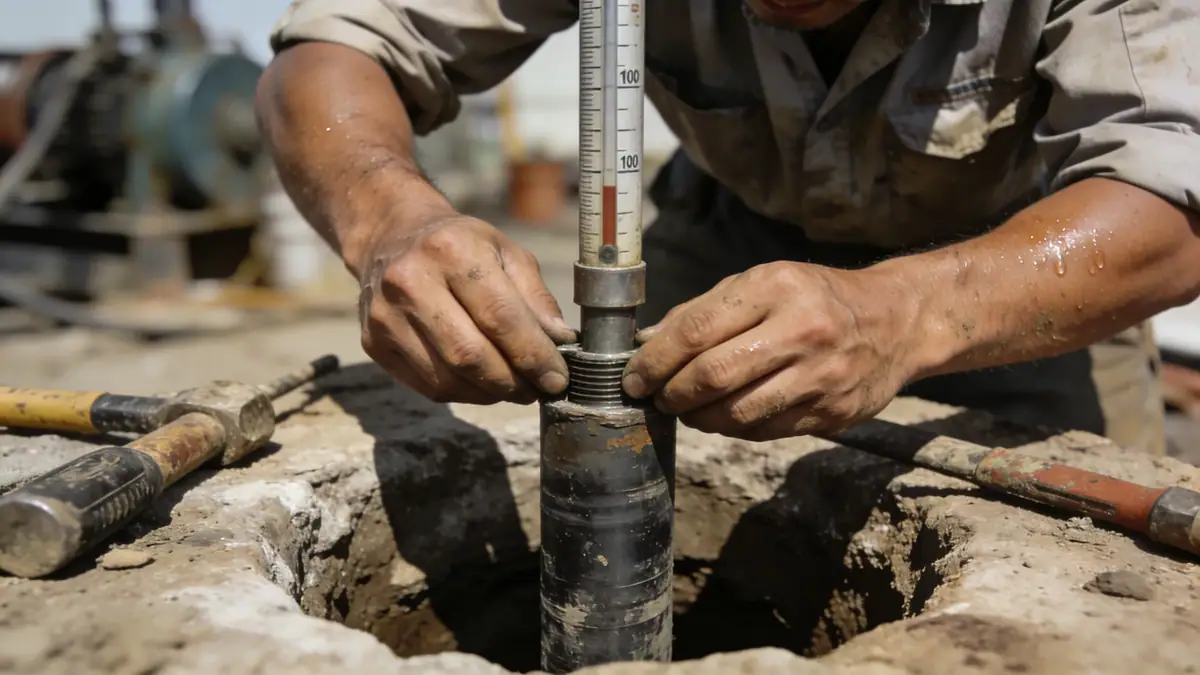
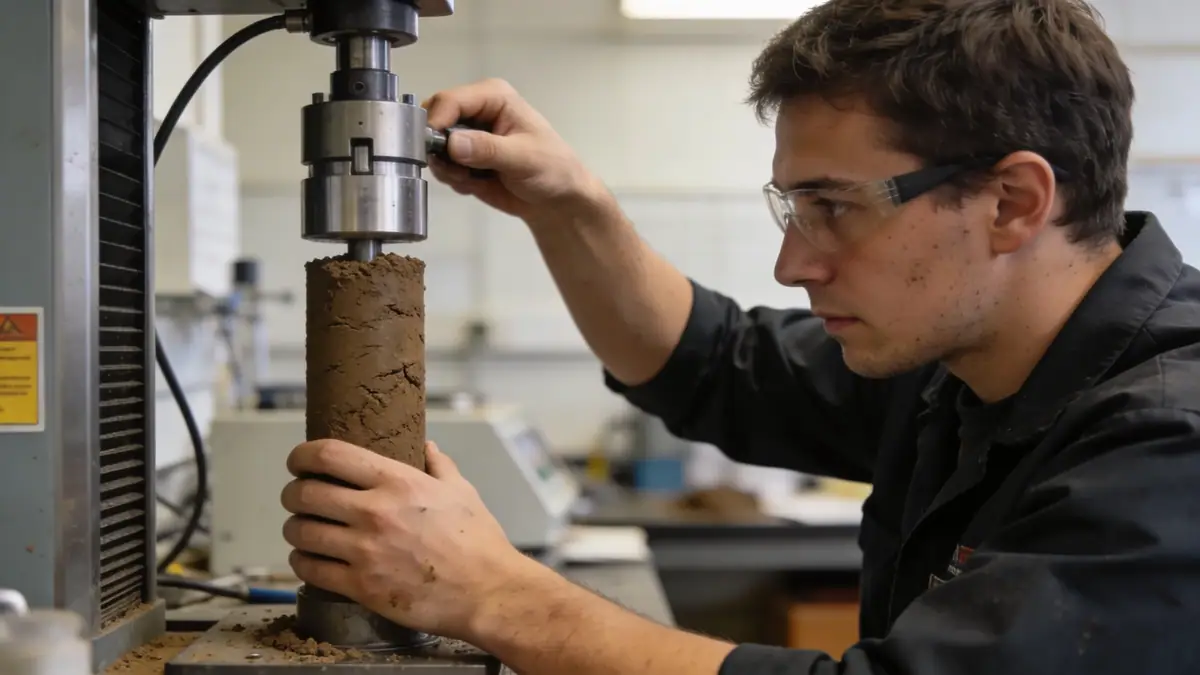
Our methodology for standard penetration test in Casper Wyoming follows ASTM D1586, employing a 140-pound hammer with a 30-inch drop to drive a split-spoon sampler. We record blow counts for each 6-inch interval, with corrections for overburden and energy efficiency to yield N60 values. For projects requiring continuous stratigraphic profiling, we integrate cone penetration test (cpt) alongside SPT to correlate soil behavior types. Our approach is tailored to Casper's variable subsurface conditions, ensuring data reliability for both shallow foundations and deep pile designs.
Reference Technical Parameters
| Parameter | Reference Value |
|---|---|
| Predominant soil type | Silty sand and gravel with clay lenses (alluvial/colluvial) |
| Maximum seismic acceleration (PGA) | 0.16g (ASCE 7-16, Site Class D) |
| Typical groundwater level | 3–8 m below grade (seasonal variation) |
| Bedrock depth | 15–30 m (shale and sandstone) |
| Typical N60 range | 10–35 blows/ft (variable with depth and fines content) |
Local Considerations — Casper Wyoming
Casper Wyoming's geology is dominated by Quaternary alluvium overlying Cretaceous shales and sandstones. The North Platte River floodplain presents loose, saturated sands prone to liquefaction under seismic loading (ASCE 7 seismic design category C). Our team is familiar with these conditions and recommends standard penetration testing at 1.0–1.5 m intervals to capture variability. For projects in the eastern industrial areas, deeper SPT borings (up to 30 m) are often required to reach competent bedrock. For comprehensive subsurface characterization, we also deploy dpsh dynamic probing to assess soil compaction in fill zones. Our local experience ensures that testing programs are optimized for Casper's specific soil behavior, reducing uncertainty for foundation design.
Request a Quote
Our team reviews your project and issues an initial report at no cost.
Or write us directly at [email protected]
Services in Casper Wyoming
Applicable Standards
- ASTM D1586
- ASCE 7-16
- IBC 2021
- Wyoming State Seismic Code
Frequently Asked Questions
What soil conditions are typical for standard penetration test in Casper Wyoming?
Typical soils include silty sands, gravels, and clay lenses from alluvial and colluvial deposits. Groundwater is often shallow (3–8 m), and bedrock (shale/sandstone) is found at 15–30 m depth. N60 values range from 10 to 35 blows/ft.
Is standard penetration test required for residential construction in Casper?
Yes, for most residential projects on shallow foundations, SPT is recommended to verify bearing capacity and liquefaction potential, especially in floodplain areas. Local building officials often require geotechnical reports per IBC 2021.
How does seismic design affect standard penetration test requirements in Casper?
Casper is in seismic design category C per ASCE 7-16, with PGA of 0.16g. SPT data is used to assess liquefaction susceptibility and site class (typically D). Borings should extend to at least 30 m for large structures to confirm refusal.