Methodology
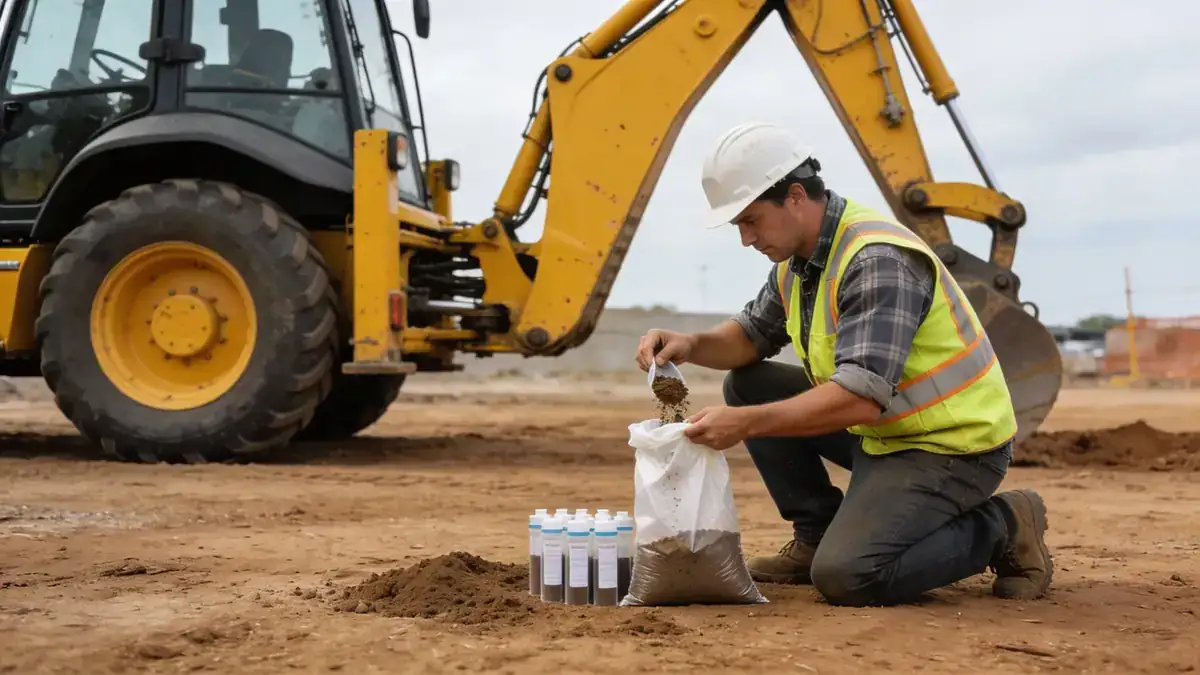
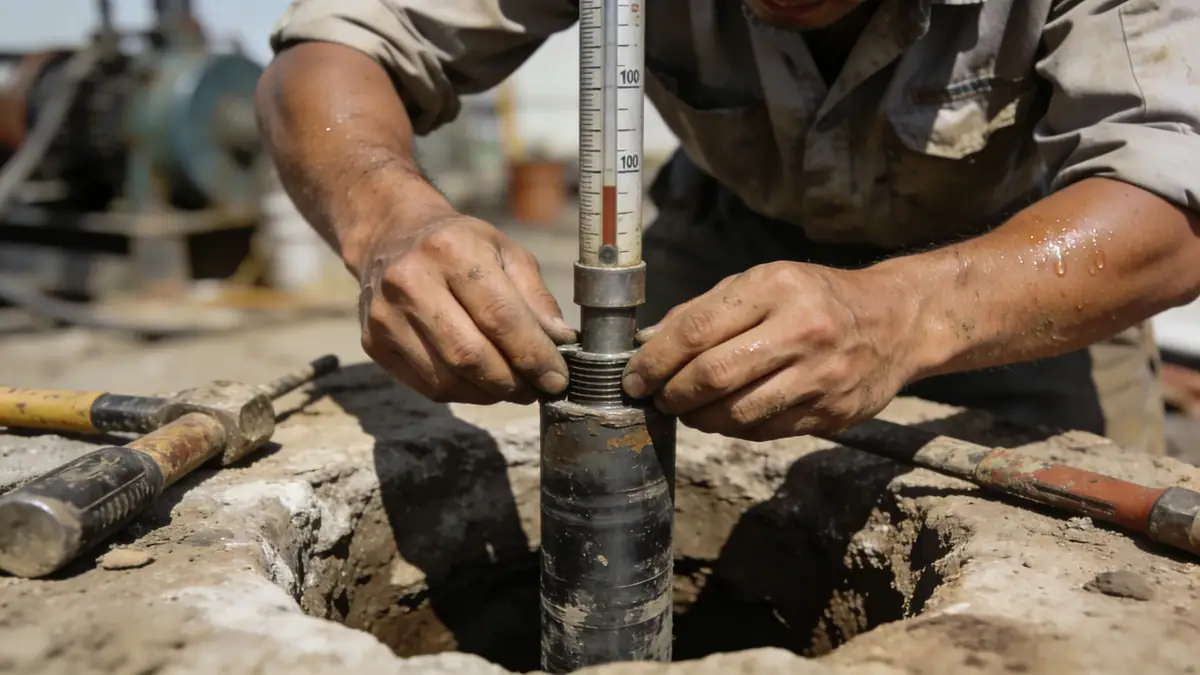
Our methodology for standard penetration test in Sioux Falls follows ASTM D1586, with sampling intervals typically every 1.5 m. We deploy truck-mounted drill rigs capable of reaching depths up to 30 m for industrial sites, while residential projects generally require depths of 8–15 m. Energy efficiency is verified using a calibration system to ensure N60 values are accurate. For complementary data, we integrate standard penetration test (spt) with cone penetration test (CPT) soundings to capture continuous stratigraphic profiles in alluvial deposits.
Reference Technical Parameters
| Parameter | Reference Value |
|---|---|
| Predominant soil type | Glacial till, shale, alluvial sands and silts |
| Maximum seismic acceleration (PGA) | 0.10–0.15 g (ASCE 7-16) |
| Typical groundwater level | 3–10 m below grade |
| Bedrock depth | 10–30 m (shale bedrock) |
| Typical N60 range | 10–50 blows/ft |
Local Considerations — Sioux Falls
Sioux Falls lies within the Sioux Falls geomorphic region, characterized by glacial till overlying Cretaceous shale. The southeastern area near the Big Sioux River features alluvial deposits with shallow groundwater (3–6 m), necessitating dewatering considerations for excavations. In contrast, the western and northern areas have stiffer till with deeper water tables. Seismic design per ASCE 7-16 Site Class C or D is typical. Our team has extensive experience with cone penetration test (cpt) in these variable conditions, providing high-resolution data for liquefaction assessment and foundation design.
Request a Quote
Our team reviews your project and issues an initial report at no cost.
Or write us directly at [email protected]
Services in Sioux Falls
Applicable Standards
- ASTM D1586
- ASCE 7-16
- IBC 2021
- City of Sioux Falls Geotechnical Guidelines
Frequently Asked Questions
What are the typical soil conditions encountered during standard penetration test in Sioux Falls?
Sioux Falls soils generally consist of glacial till (sandy silt with gravel) overlying Cretaceous shale. In river valleys, alluvial sands and silts are common. Groundwater depths vary from 3 to 10 m. Standard penetration tests (SPT) are effective for characterizing these deposits.
Is a geotechnical investigation required for residential construction in Sioux Falls?
Yes, the City of Sioux Falls requires a geotechnical report for most new construction, including residential. The report must include standard penetration test borings to determine soil bearing capacity and settlement potential, typically with a minimum of two borings per lot.
How does seismic site classification affect standard penetration test requirements in Sioux Falls?
Sioux Falls is in a moderate seismic zone (PGA 0.10–0.15 g). Site classification per ASCE 7-16 (Site Class C or D) requires SPT N60 values to determine shear wave velocity correlation. Our testing provides the necessary data for seismic design.