Methodology

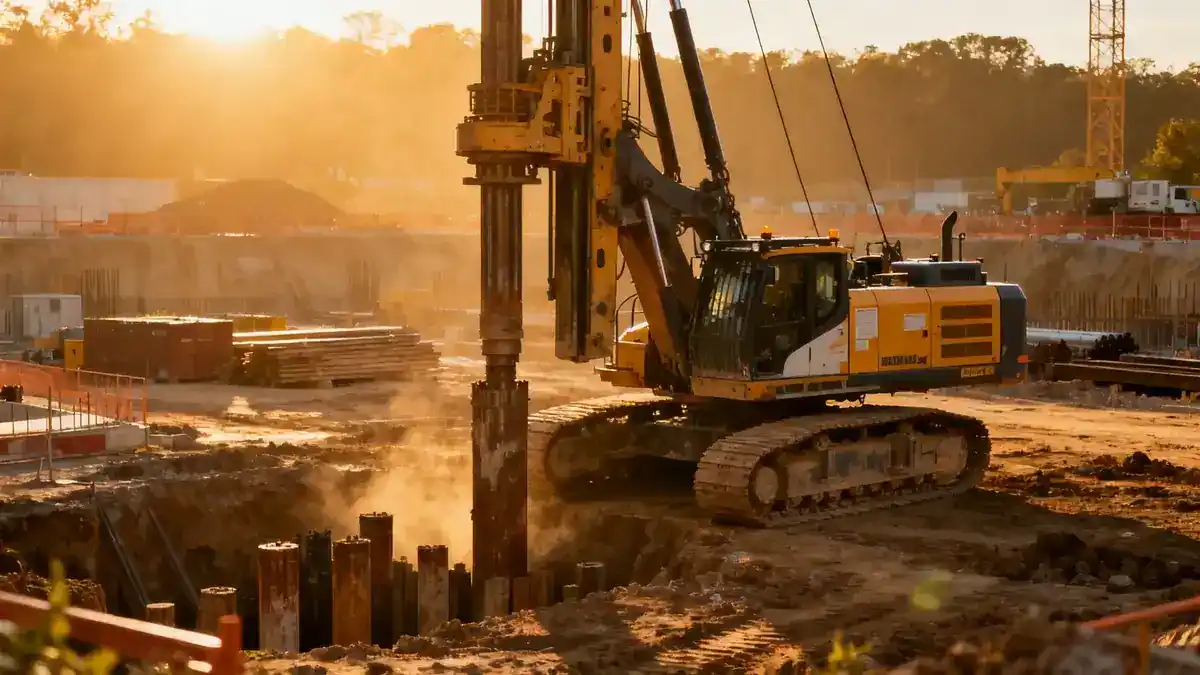
Our approach to standard penetration testing in Orlando strictly adheres to ASTM D1586, ensuring consistent and reliable results. We employ automatic hammers and calibrated equipment to minimize energy variations, recording N-values at 1.5-meter intervals to capture soil stratification. For comprehensive subsurface characterization, we integrate our SPT program with standard penetration test (spt) procedures, including sampling for laboratory analysis. Our methodology prioritizes data quality and safety, with continuous monitoring of groundwater levels and refusal criteria to adapt to Orlando's variable limestone bedrock depths.
Reference Technical Parameters
| Parameter | Reference Value |
|---|---|
| Predominant soil type | Sands (SP, SM) over limestone |
| Maximum seismic acceleration (PGA) | 0.05g to 0.10g (ASCE 7) |
| Typical groundwater level | 2 to 5 meters below grade |
| Bedrock depth (limestone) | 10 to 30 meters |
| Typical N60 range (sand) | 5 to 30 blows/ft |
Local Considerations — Orlando
Orlando's geology is dominated by Pleistocene sands and clays overlying the Floridan aquifer's limestone formations. Shallow groundwater levels (2–5 m) require careful dewatering considerations. Seismic hazard is low, with PGA values per ASCE 7 rarely exceeding 0.10g, but local soil amplification can occur in loose sands. Our team has extensive experience with site-specific studies across downtown, tourist corridors, and suburban developments. For regional coordination, we collaborate with our standard penetration test en Miami office to ensure consistent standards across Florida projects. The area's high rainfall and potential for sinkholes necessitate rigorous subsurface investigation, including cone penetration test (cpt) for continuous profiling.
Request a Quote
Our team reviews your project and issues an initial report at no cost.
Or write us directly at [email protected]
Services in Orlando
Applicable Standards
- ASTM D1586 (Standard Penetration Test)
- ASCE 7 (Minimum Design Loads for Buildings)
- Florida Building Code (FBC) – Geotechnical Section
- ASTM D2487 (Unified Soil Classification System)
Frequently Asked Questions
What soil conditions are typically encountered during standard penetration testing in Orlando?
Orlando's subsurface generally consists of fine to medium sands, occasionally with silty or clayey layers, underlain by limestone bedrock. Groundwater is often shallow, between 2 and 5 meters. SPT N-values in sands typically range from 5 to 30 blows per foot, depending on density and compaction.
Is standard penetration testing required for residential construction in Orlando?
The Florida Building Code mandates geotechnical investigations for most structures, including residential buildings with shallow foundations. SPT is commonly used to assess bearing capacity and settlement potential. Local municipalities may require additional testing in areas prone to sinkholes or high groundwater.
How does seismic risk in Orlando affect standard penetration testing requirements?
Orlando has a low seismic hazard, with PGA values typically 0.05–0.10g per ASCE 7. However, site-specific seismic analysis may be required for critical facilities. SPT N-values are used to evaluate liquefaction potential in loose saturated sands, which can occur under moderate shaking.