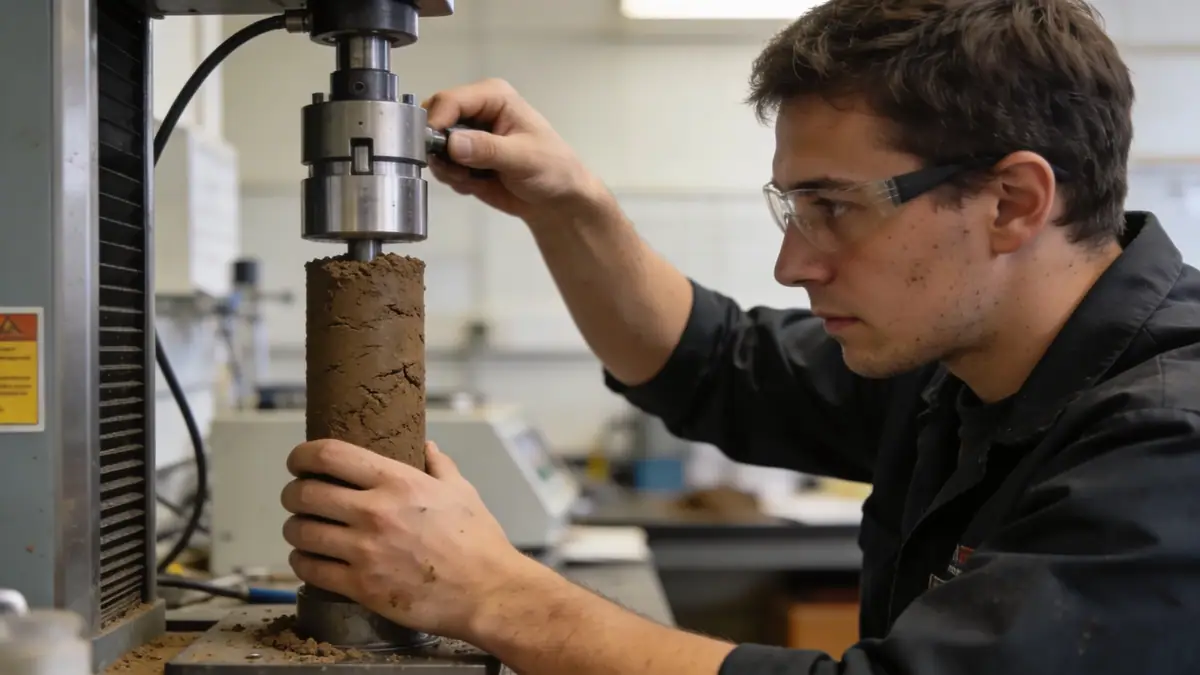
Methodology
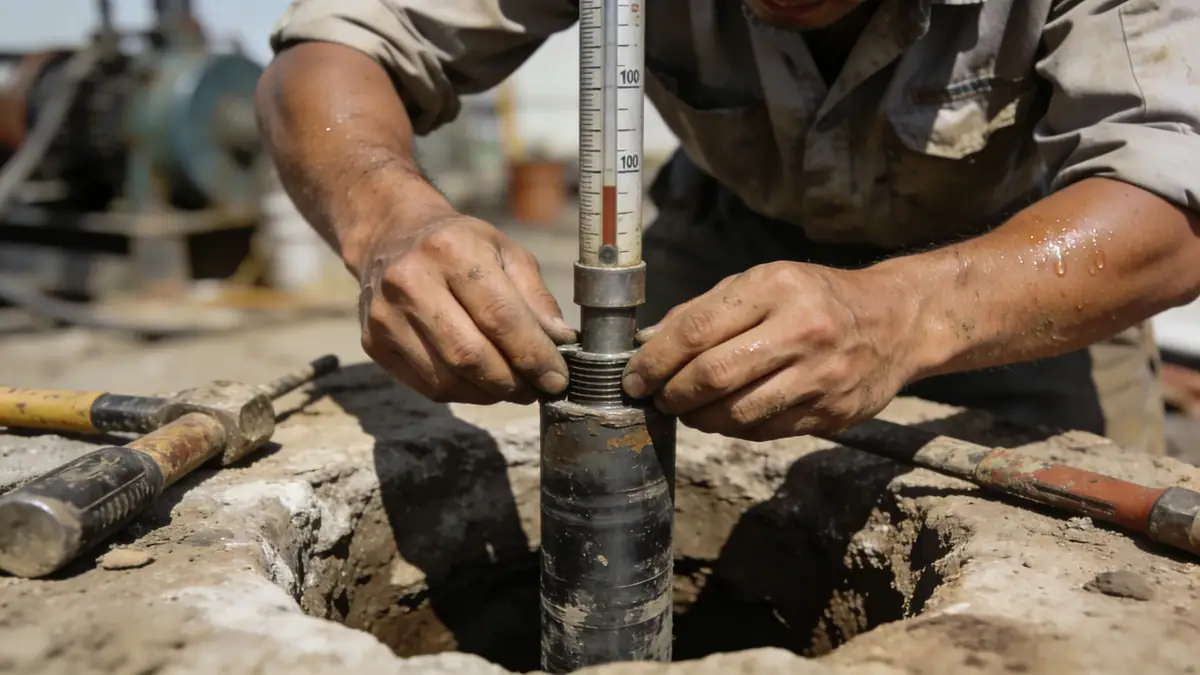
Our methodology for standard penetration testing in Cape Coral adheres to ASTM D1586, using a 63.5 kg hammer dropped 76 cm to drive a split-spoon sampler. We record blow counts per 15 cm increment to obtain N-values, corrected for overburden and energy efficiency (N60). Boreholes are advanced using hollow-stem augers to minimize disturbance in sandy soils. Sampling intervals are typically 1.5 m, with continuous sampling in critical zones. Our team also performs standard penetration test (spt) to assess liquefaction potential in seismic areas. Data is analyzed to determine bearing capacity, settlement, and soil liquefaction resistance, following Florida Building Code requirements.
Reference Technical Parameters
| Parameter | Reference Value |
|---|---|
| Predominant soil type | Silty sand (SM) and poorly graded sand (SP), with limestone layers |
| Maximum seismic acceleration (PGA) | 0.15g (ASCE 7-16, Site Class D) |
| Typical groundwater level | 1.5 to 3.0 meters below ground surface |
| Bedrock depth | Variable, 10 to 30 meters (Hawthorn Group limestone) |
| Typical N60 range (0-10m depth) | 4 to 15 blows per 0.3m (loose to medium dense sand) |
Local Considerations — Cape Coral
Cape Coral's geology consists of Quaternary sands and shell layers overlying the Hawthorn Group limestone, with high groundwater levels (1.5–3 m). Seismic hazard is moderate (PGA 0.15g), requiring site-specific liquefaction assessment per ASCE 7. The city's extensive canal system demands careful groundwater control during drilling. Our team has performed numerous investigations in areas like Tarpon Point and Pelican Bay, where loose sands and variable limestone depth affect foundation design. For projects in similar coastal settings, our standard penetration test en Miami hub provides additional regional expertise. We also offer cone penetration test (cpt) for continuous profiling in these challenging conditions.
Request a Quote
Our team reviews your project and issues an initial report at no cost.
Or write us directly at [email protected]
Services in Cape Coral
Applicable Standards
- ASTM D1586
- ASCE 7-16
- Florida Building Code (FBC) 2023
- IBC 2021
Frequently Asked Questions
What are the typical soil conditions in Cape Coral?
Soils are primarily silty sands (SM) and poorly graded sands (SP) with shell fragments, underlain by limestone bedrock at depths of 10–30 m. Groundwater is shallow, typically 1.5–3 m below surface, requiring dewatering for excavations.
Is seismic site classification required for Cape Coral projects?
Yes, per ASCE 7 and Florida Building Code, site class must be determined via shear wave velocity or SPT N-values. Cape Coral is in Seismic Design Category B, but liquefaction assessment is recommended for saturated loose sands.
When is a standard penetration test mandatory in Cape Coral?
The Florida Building Code requires geotechnical investigations for most commercial and multi-family residential structures. SPT is standard for determining bearing capacity, settlement, and liquefaction potential, especially in coastal zones.